Seed Sovereignty Forum Caravan: Building Community and Strengthening Networks
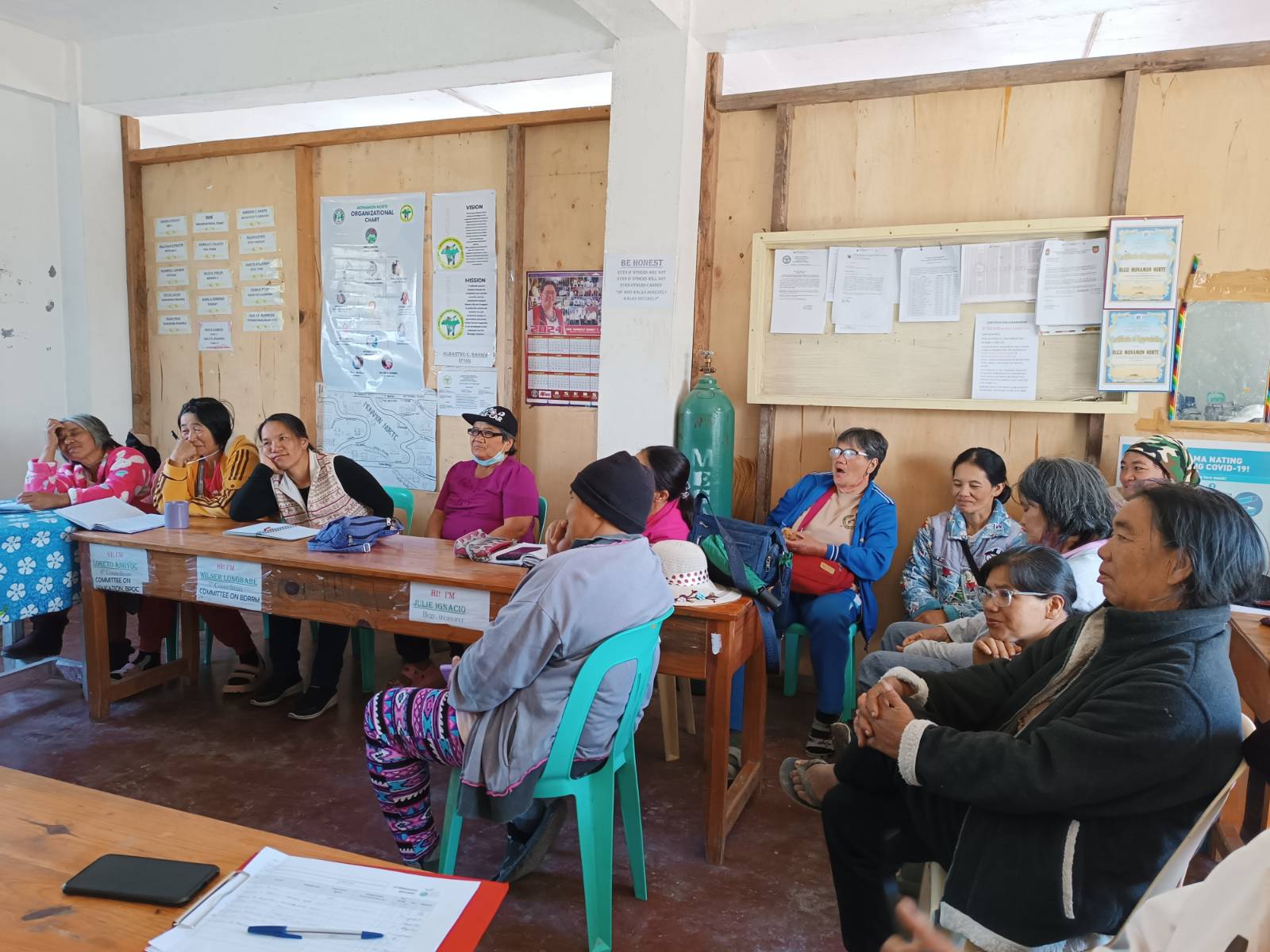
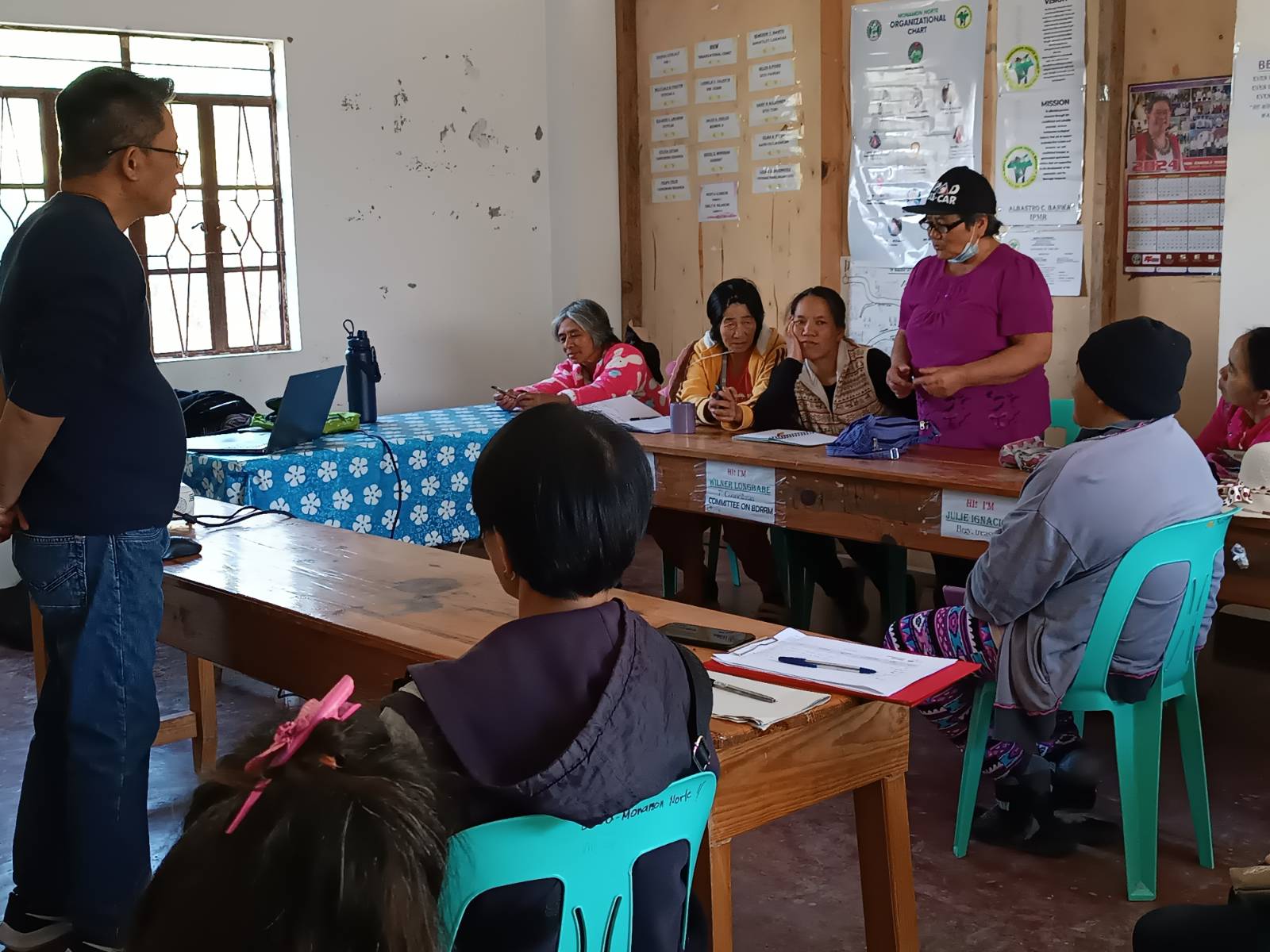
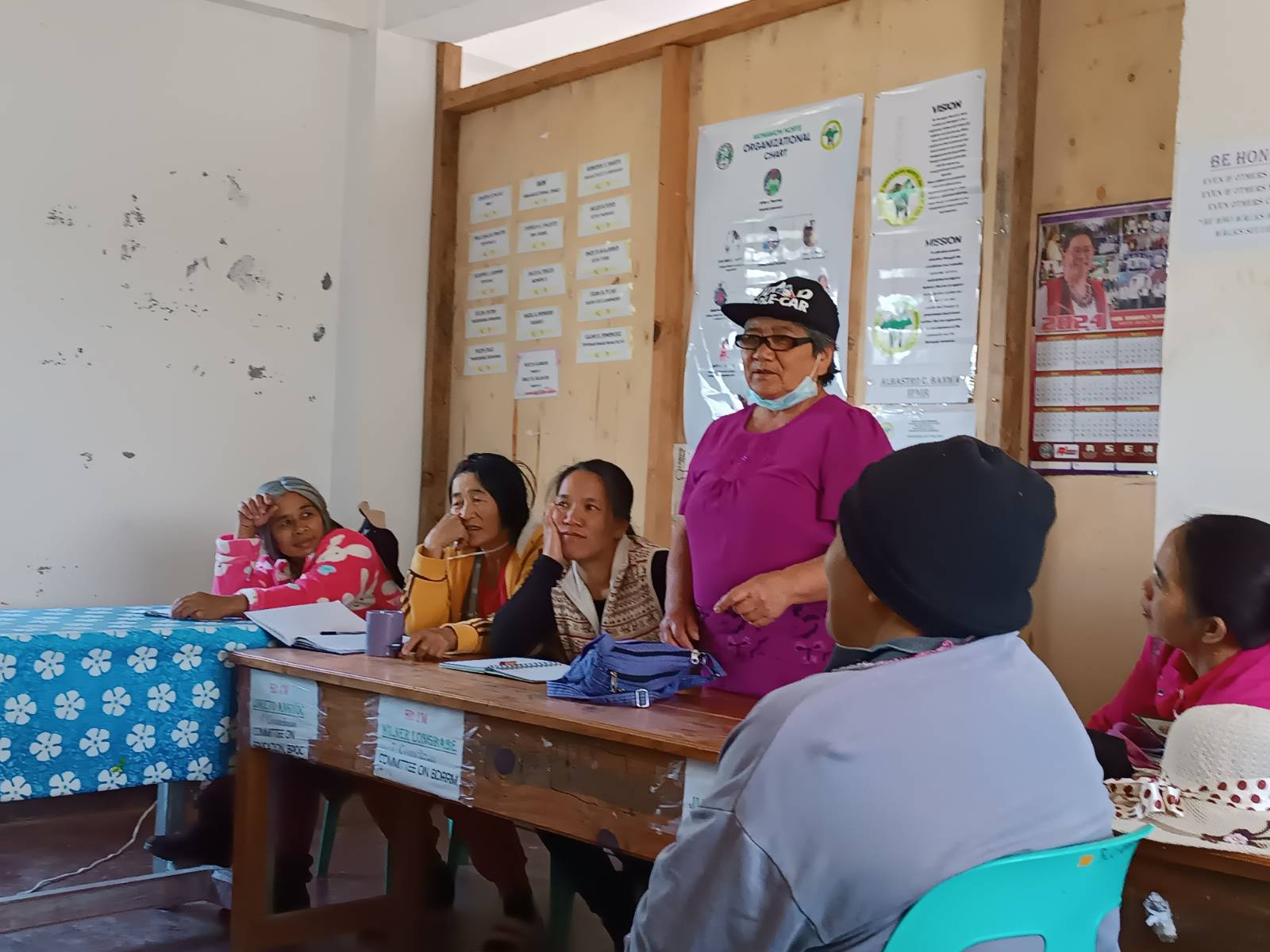
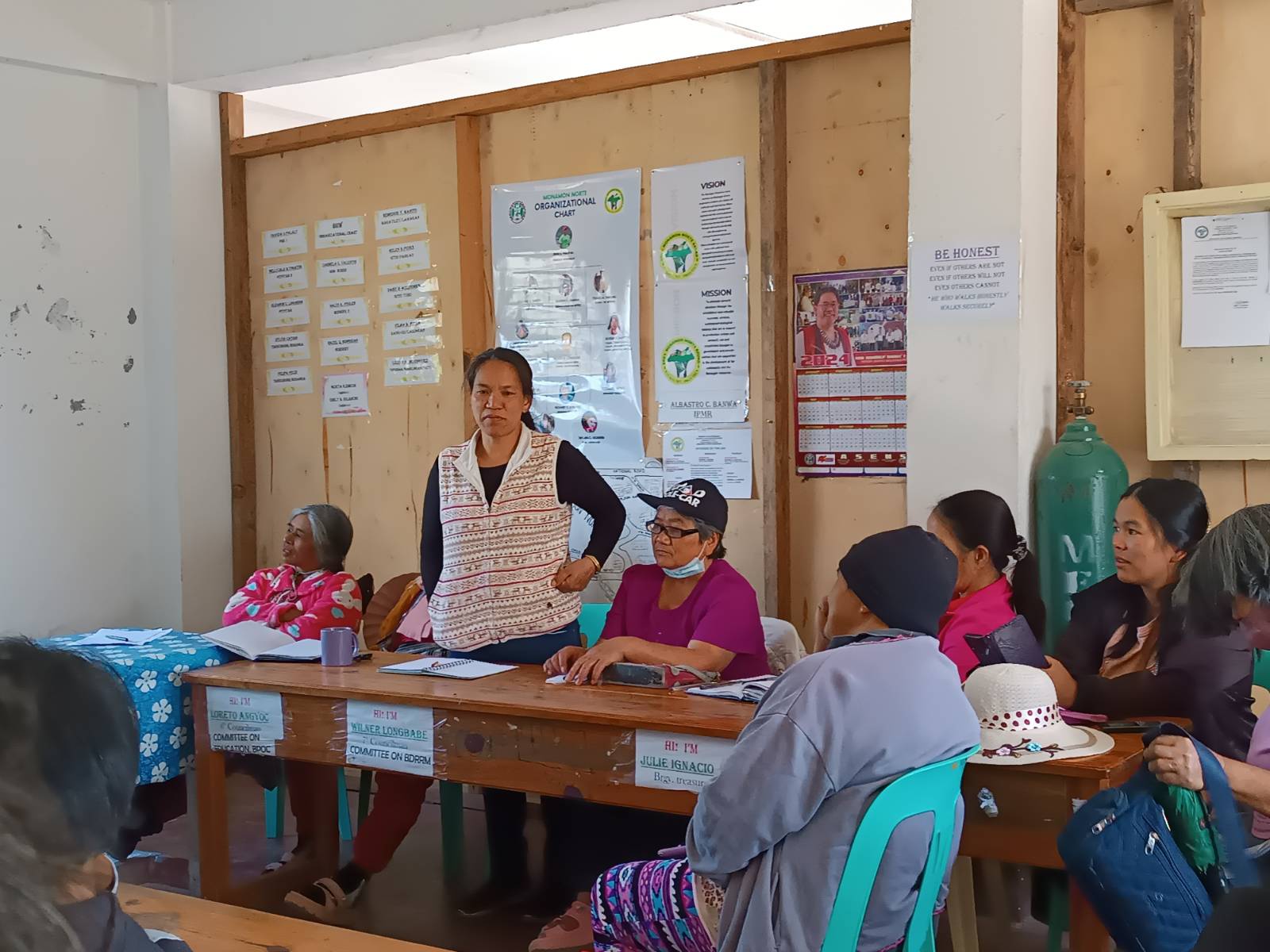
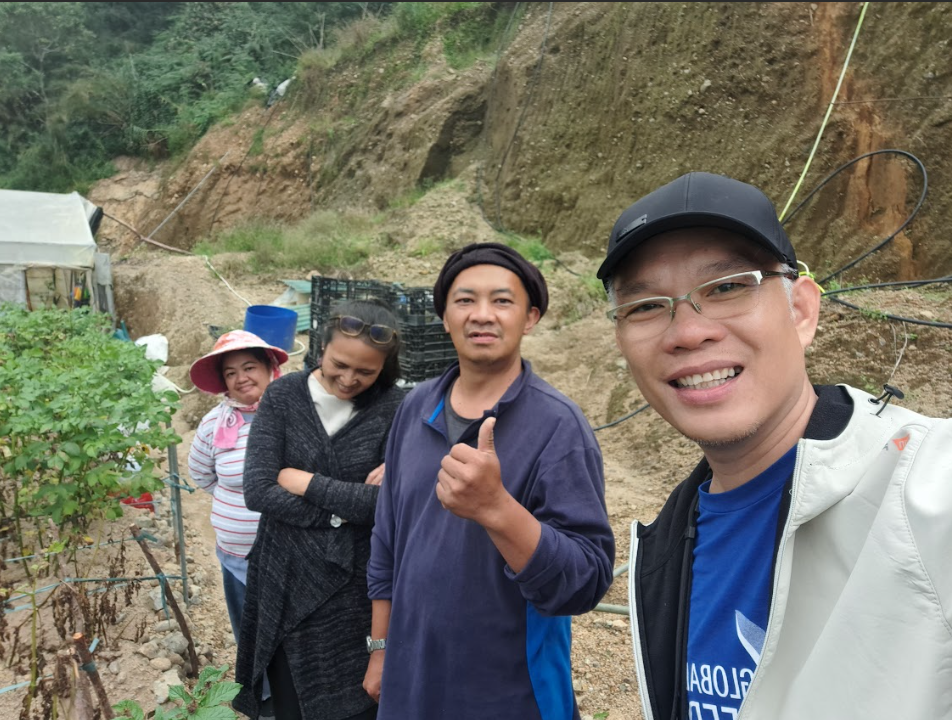
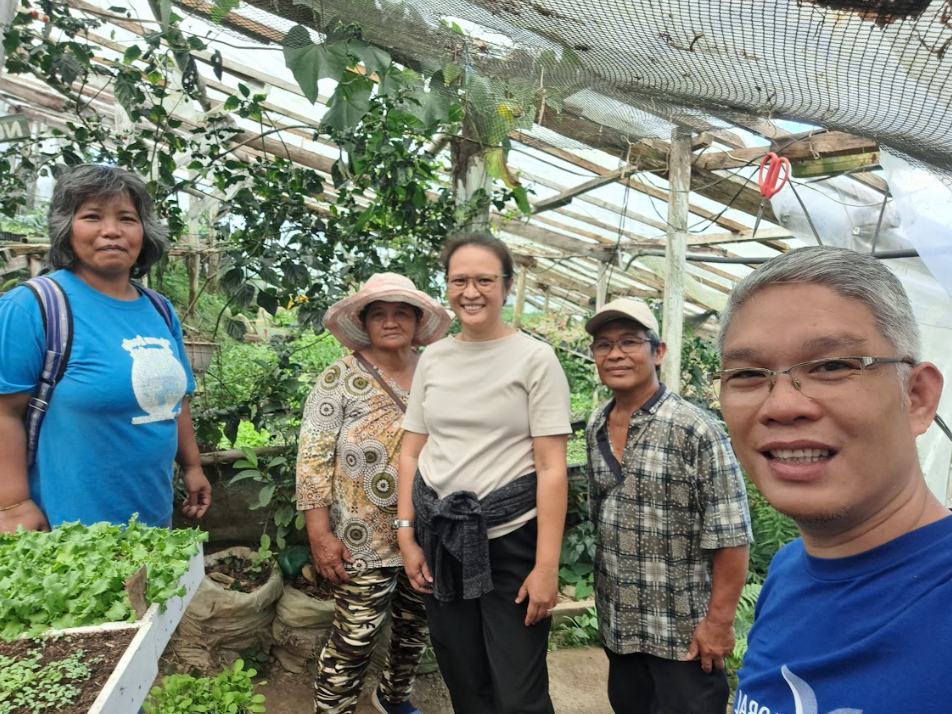
Global Seed Savers embarked on a transformative Seed Sovereignty Forum caravan, traveling to multiple locations to foster community building, participatory governance, and network strengthening. From Cebu City to Bantayan Island, and beyond, each forum brought together diverse groups of farmers, advocates, and local leaders to discuss the vital importance of seed sovereignty. These gatherings not only highlighted the challenges and opportunities within sustainable agriculture, but also underscored the power of collective action in securing food security, preserving cultural identity, and promoting resilient farming systems. The impact of these forums is a testament to the strength of our community and the importance of our shared mission in ensuring seed sovereignty in the Philippines.
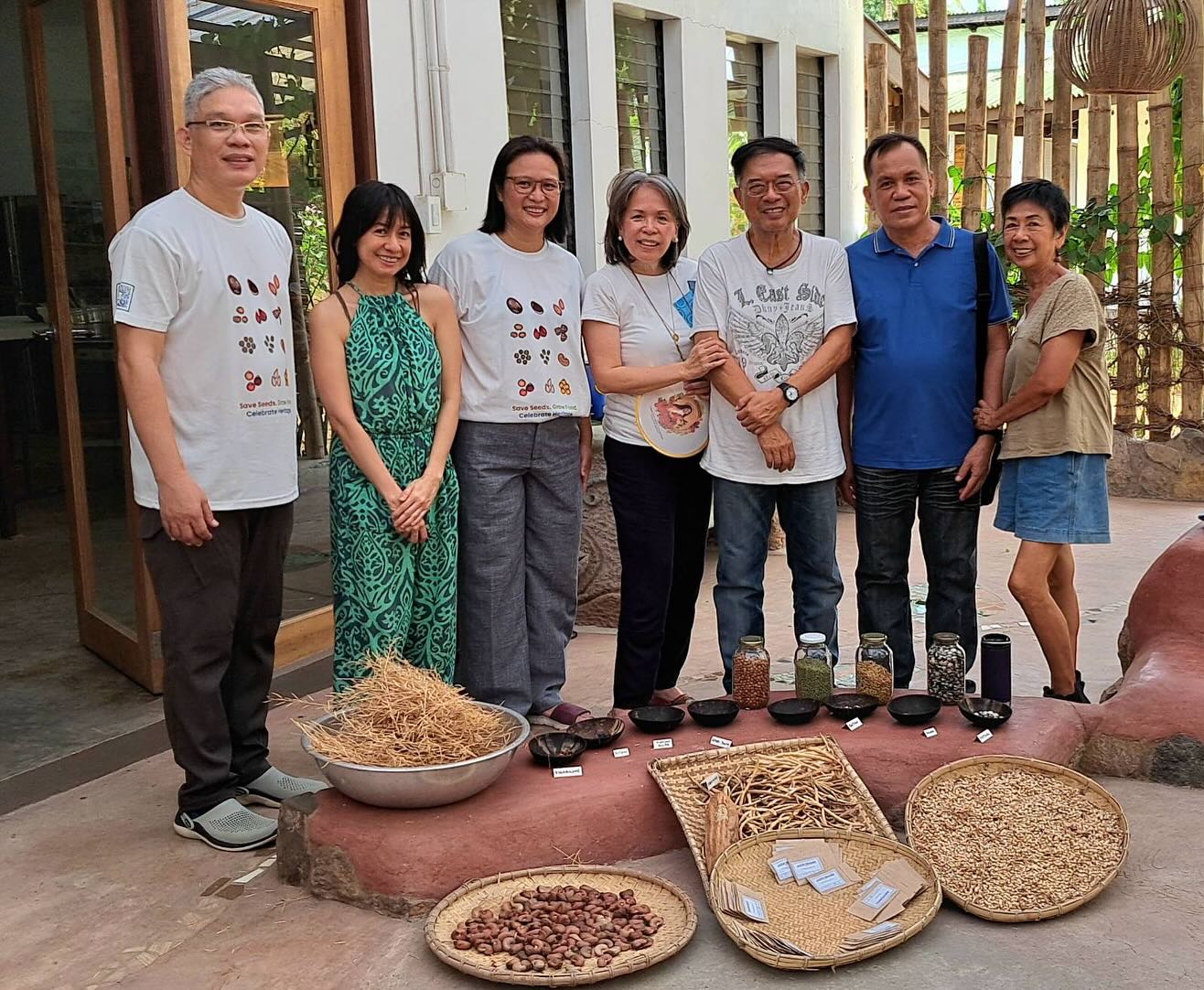
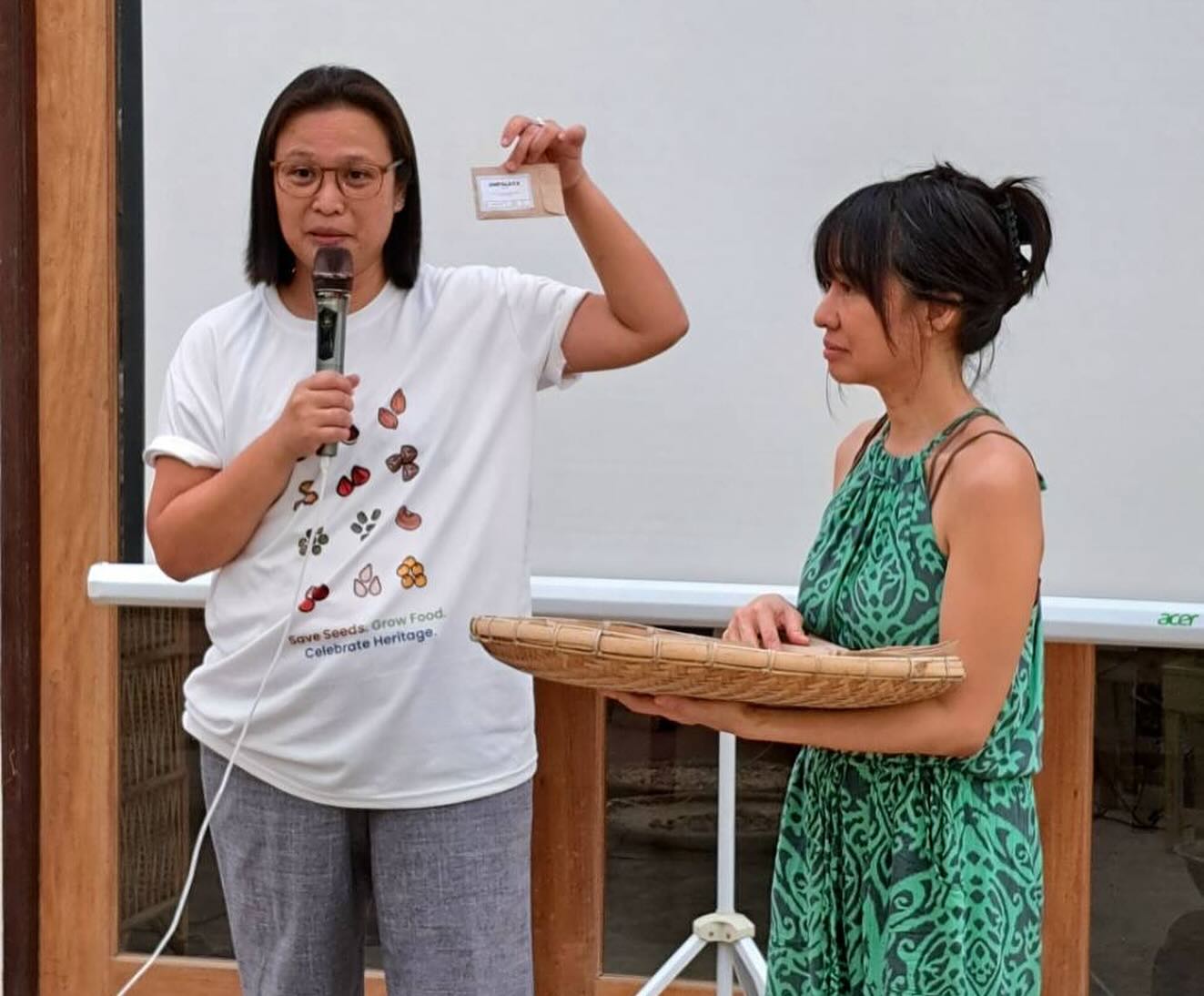
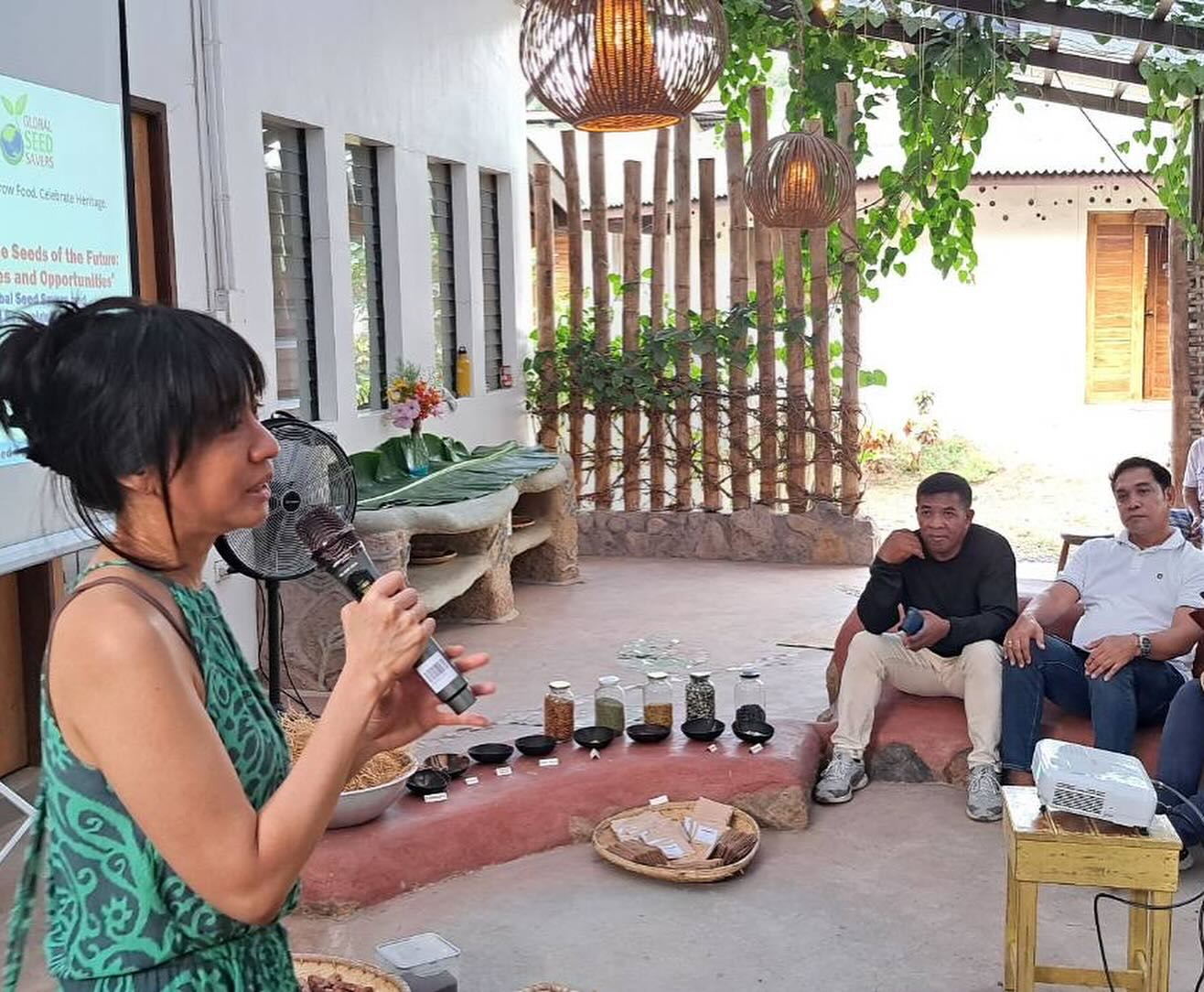
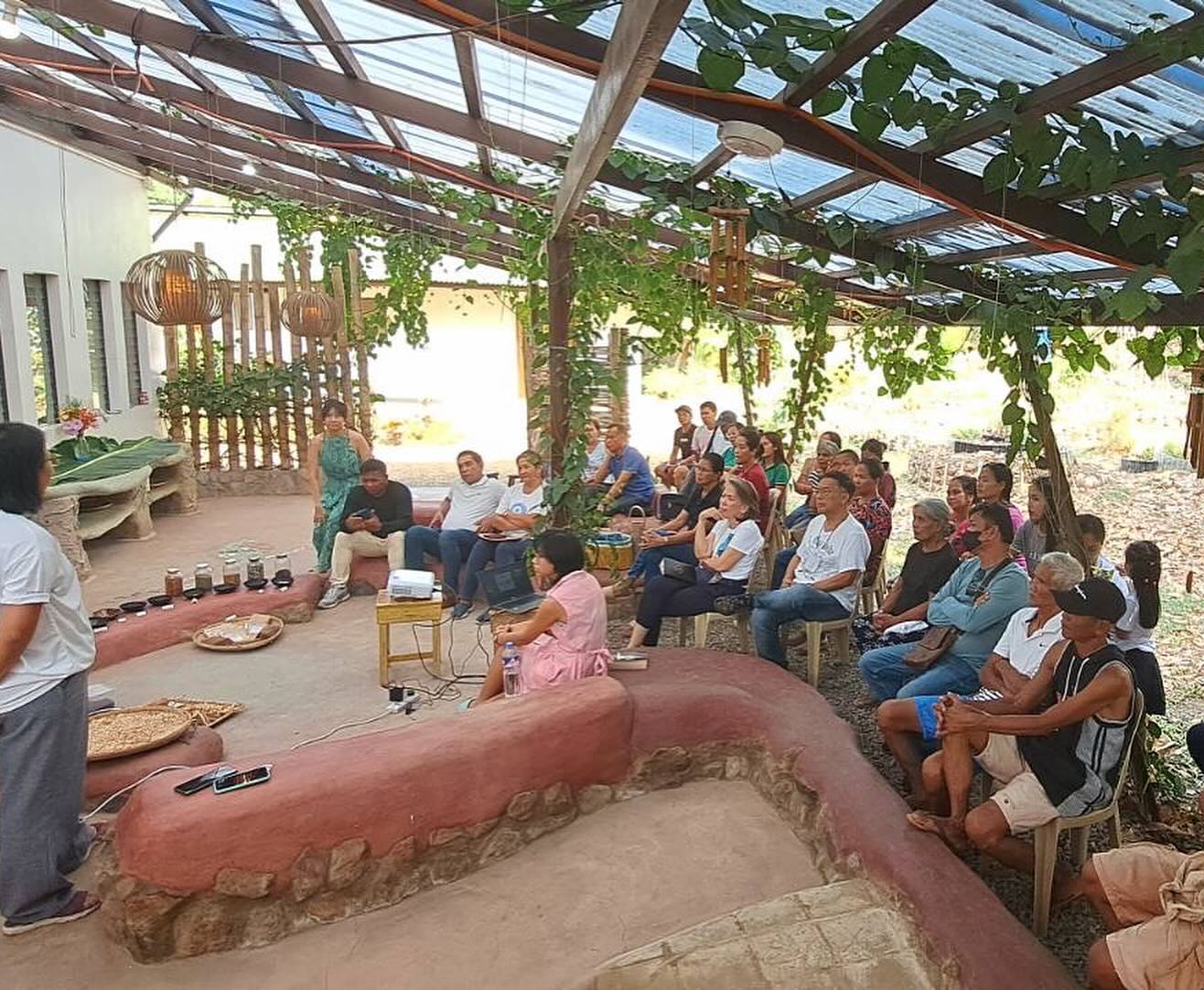
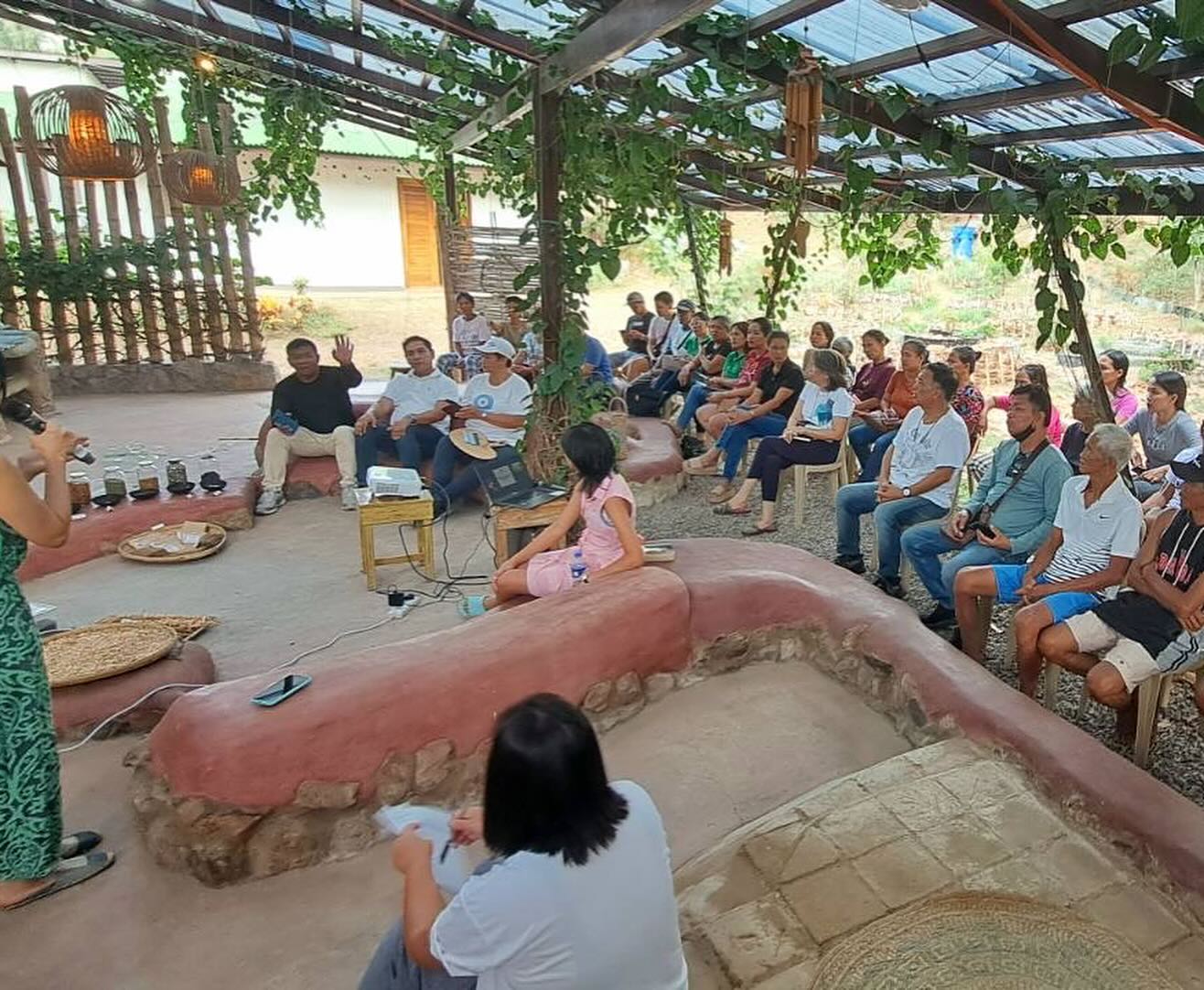
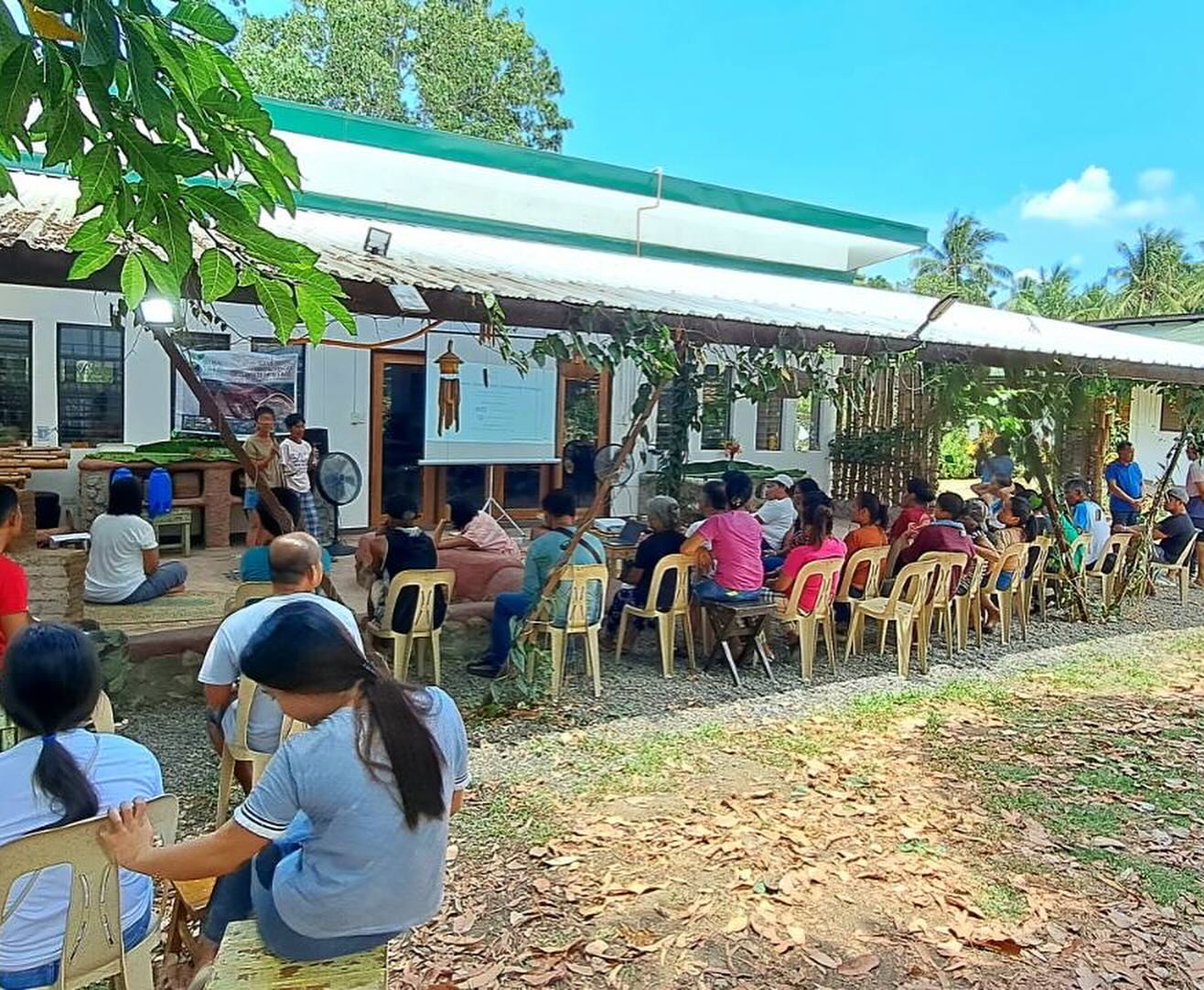
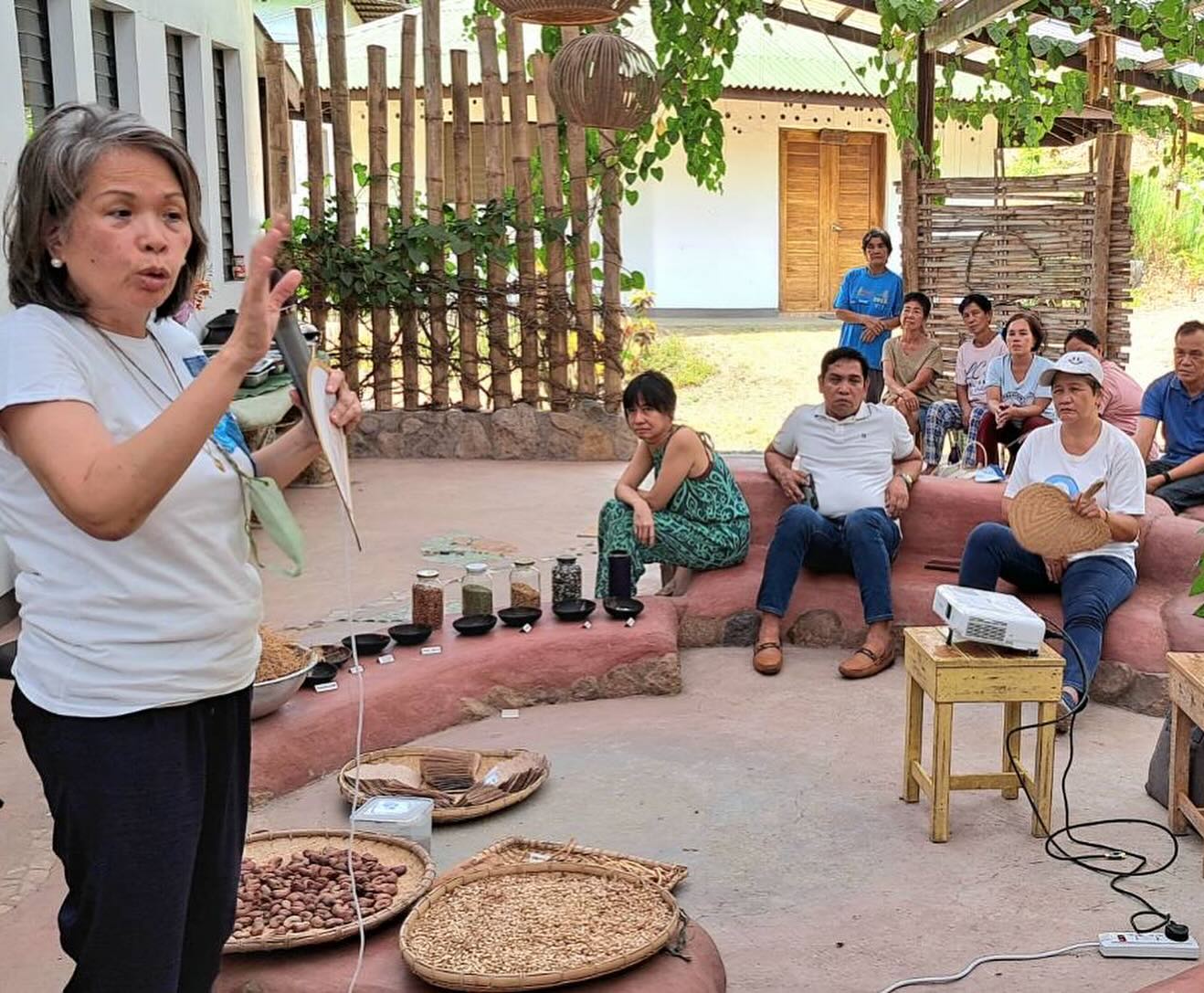
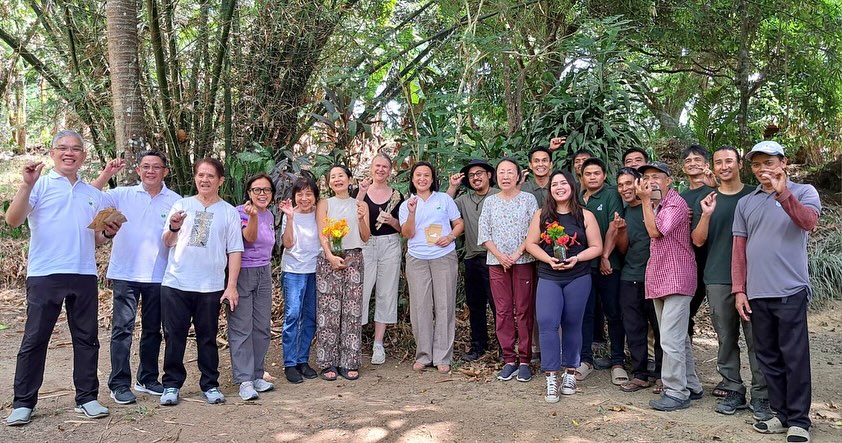
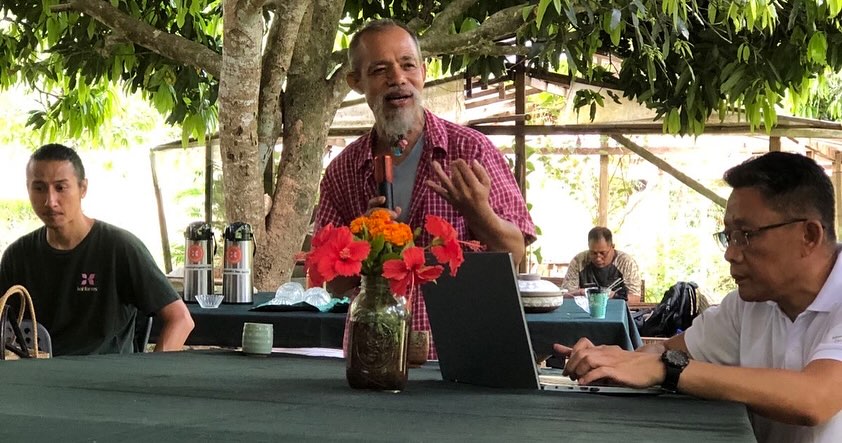
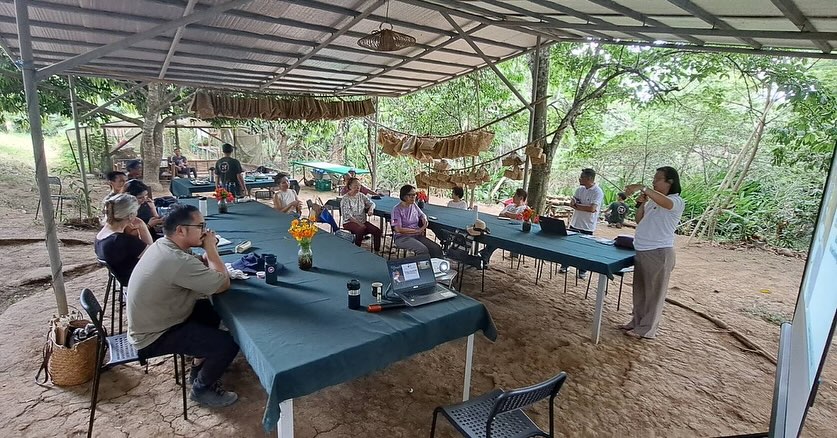
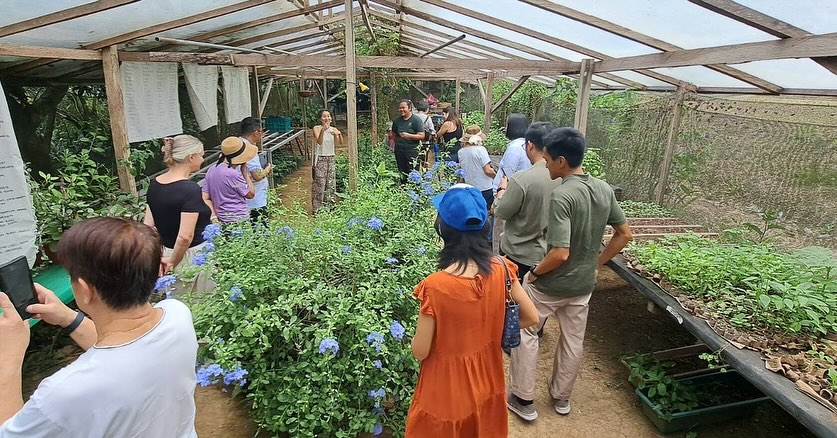
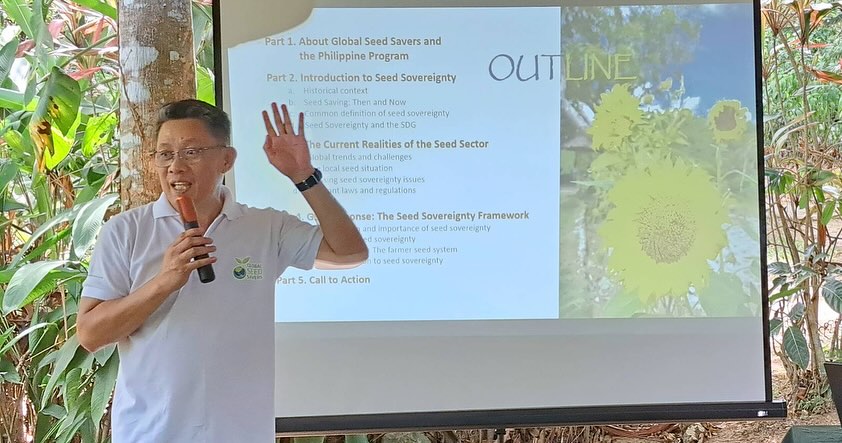
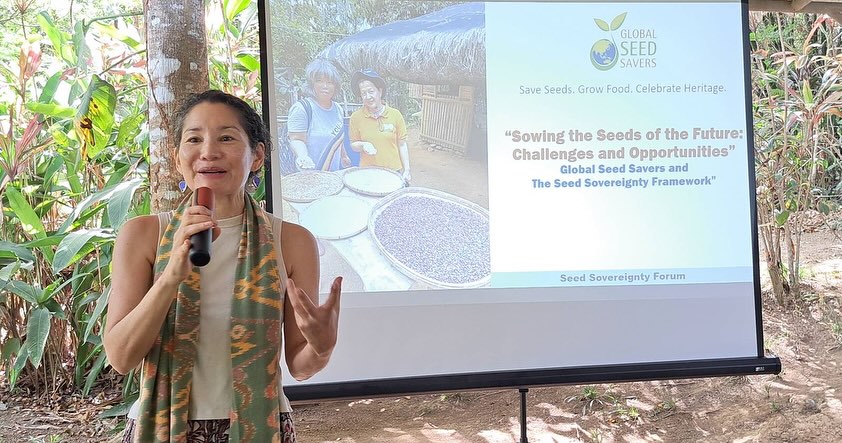
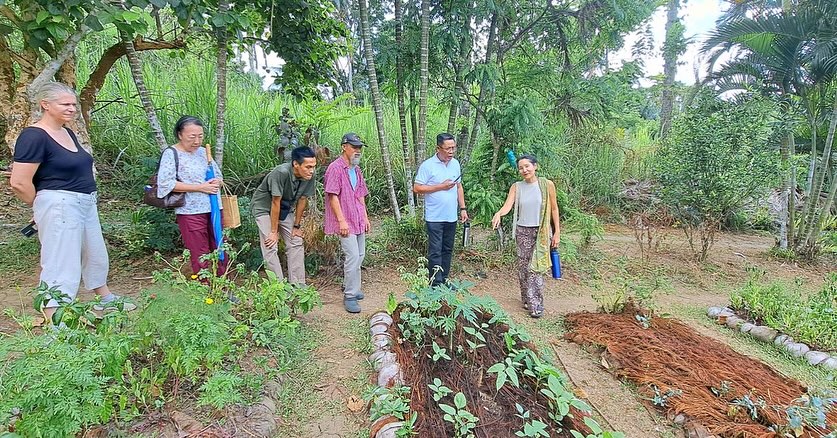
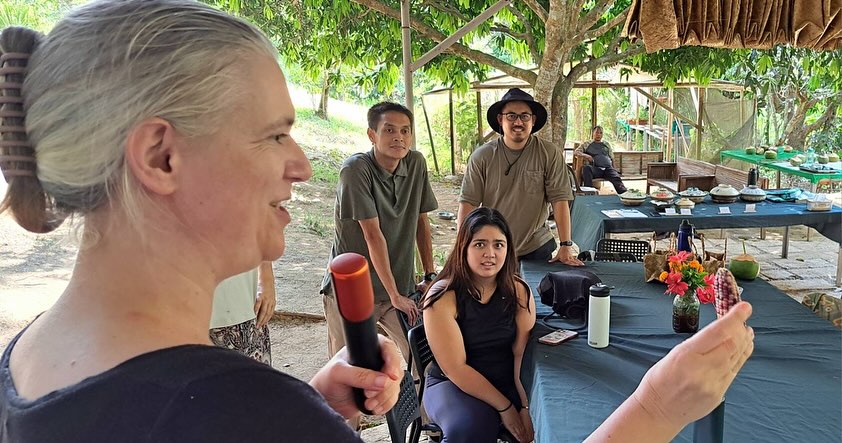
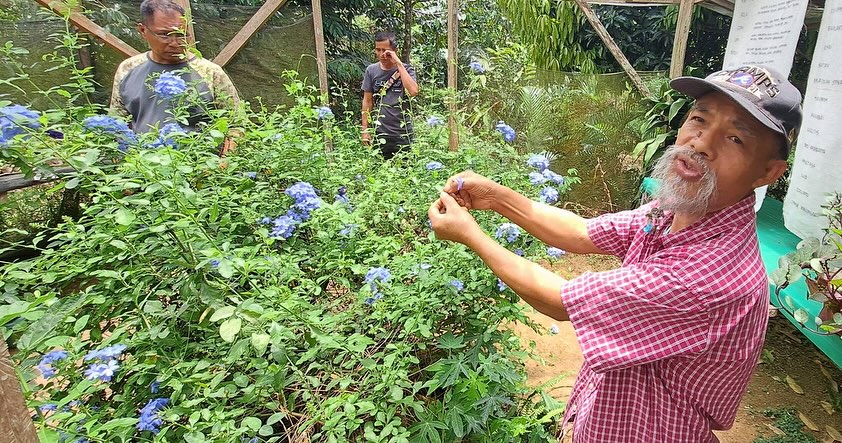
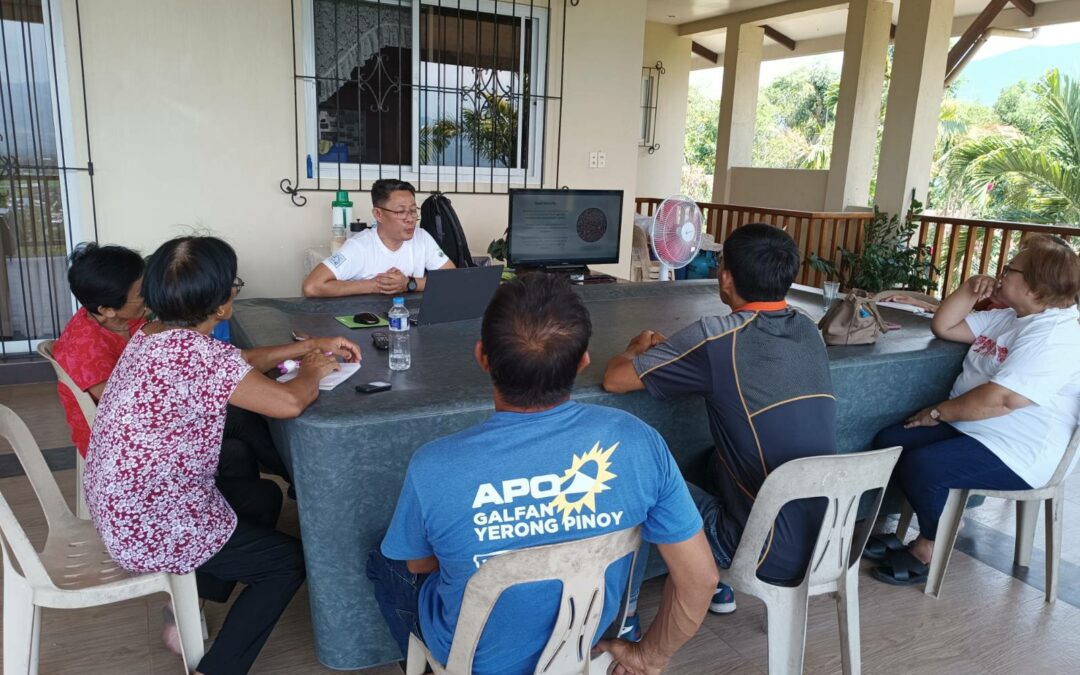
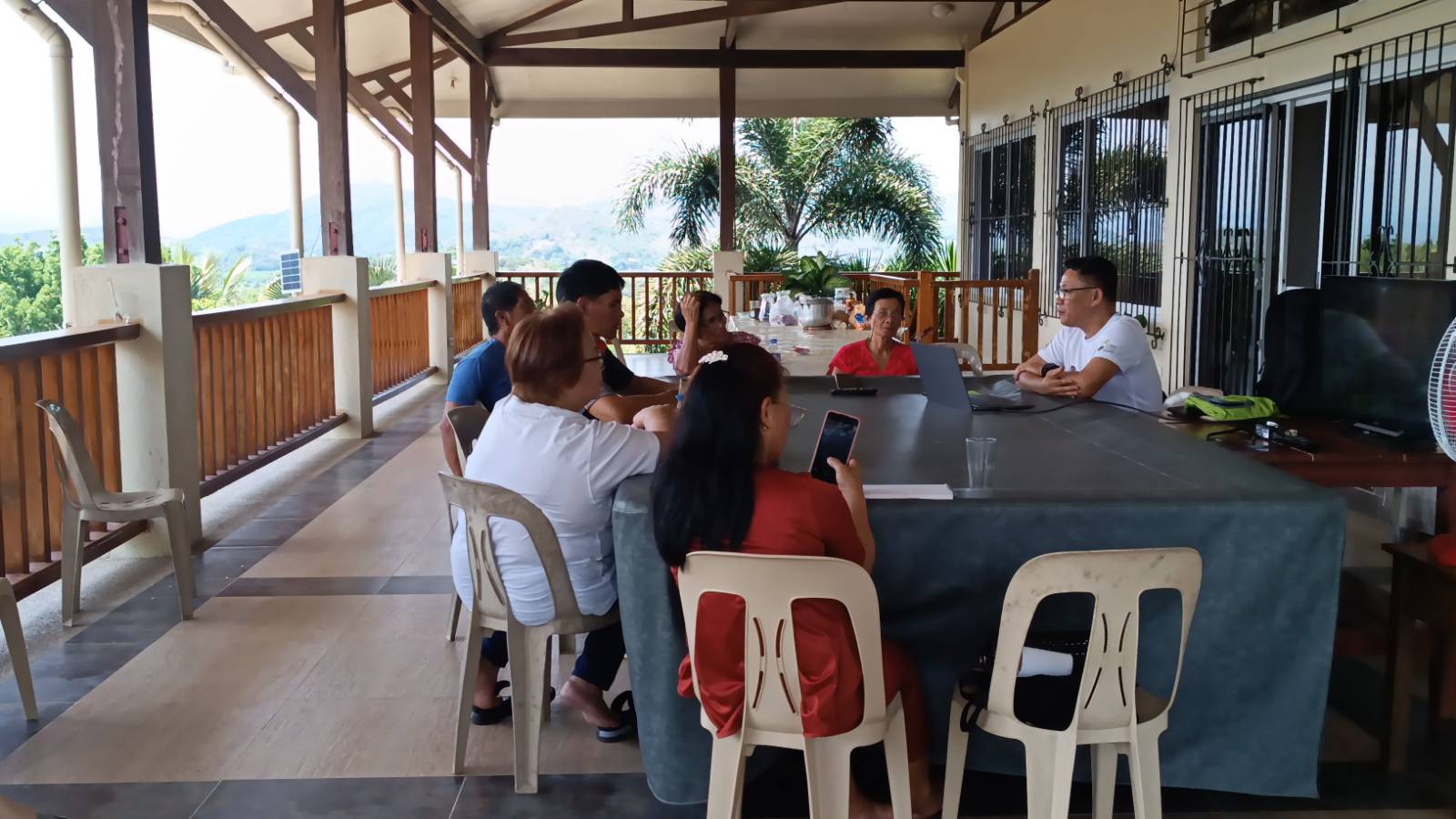
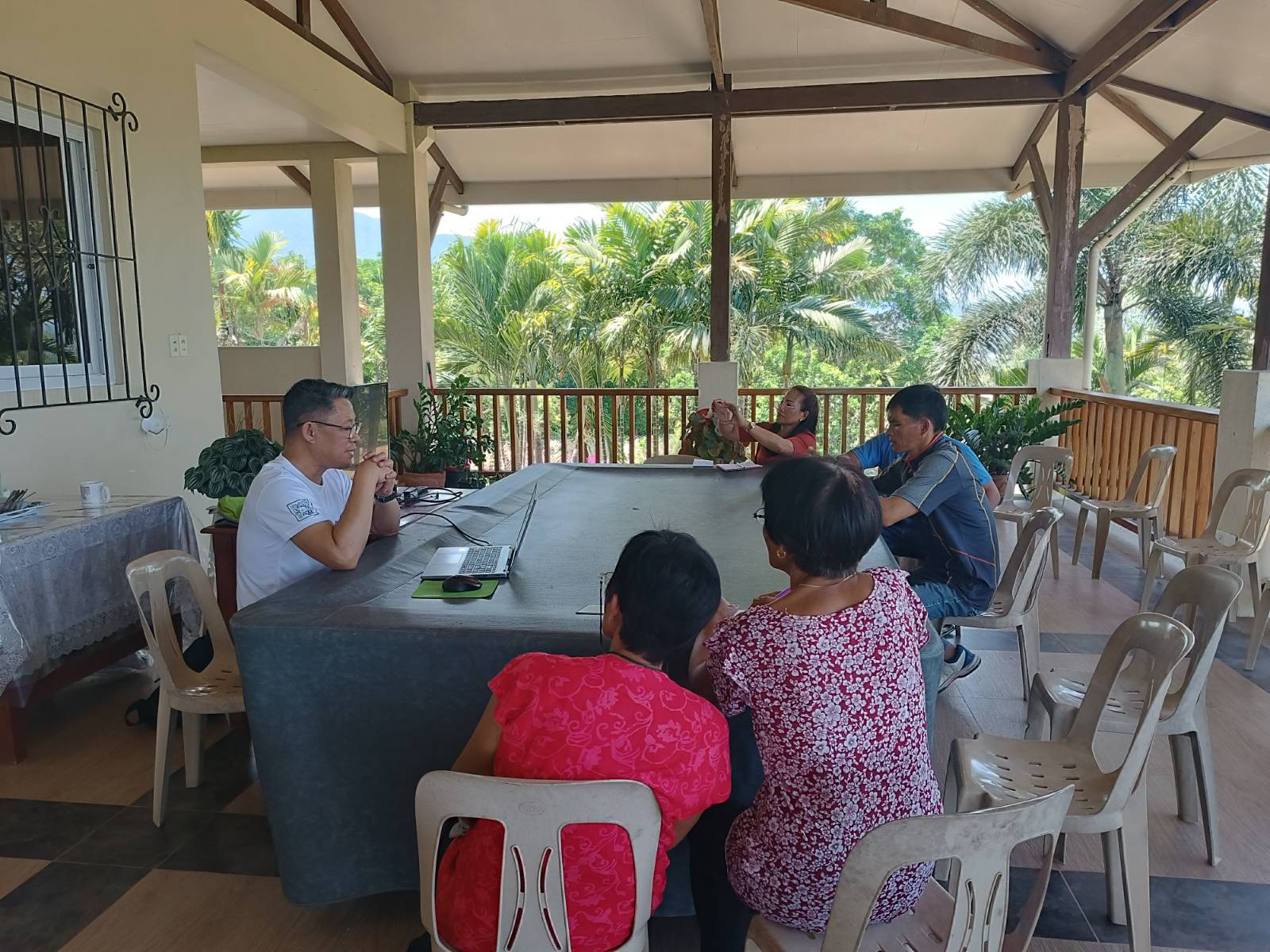
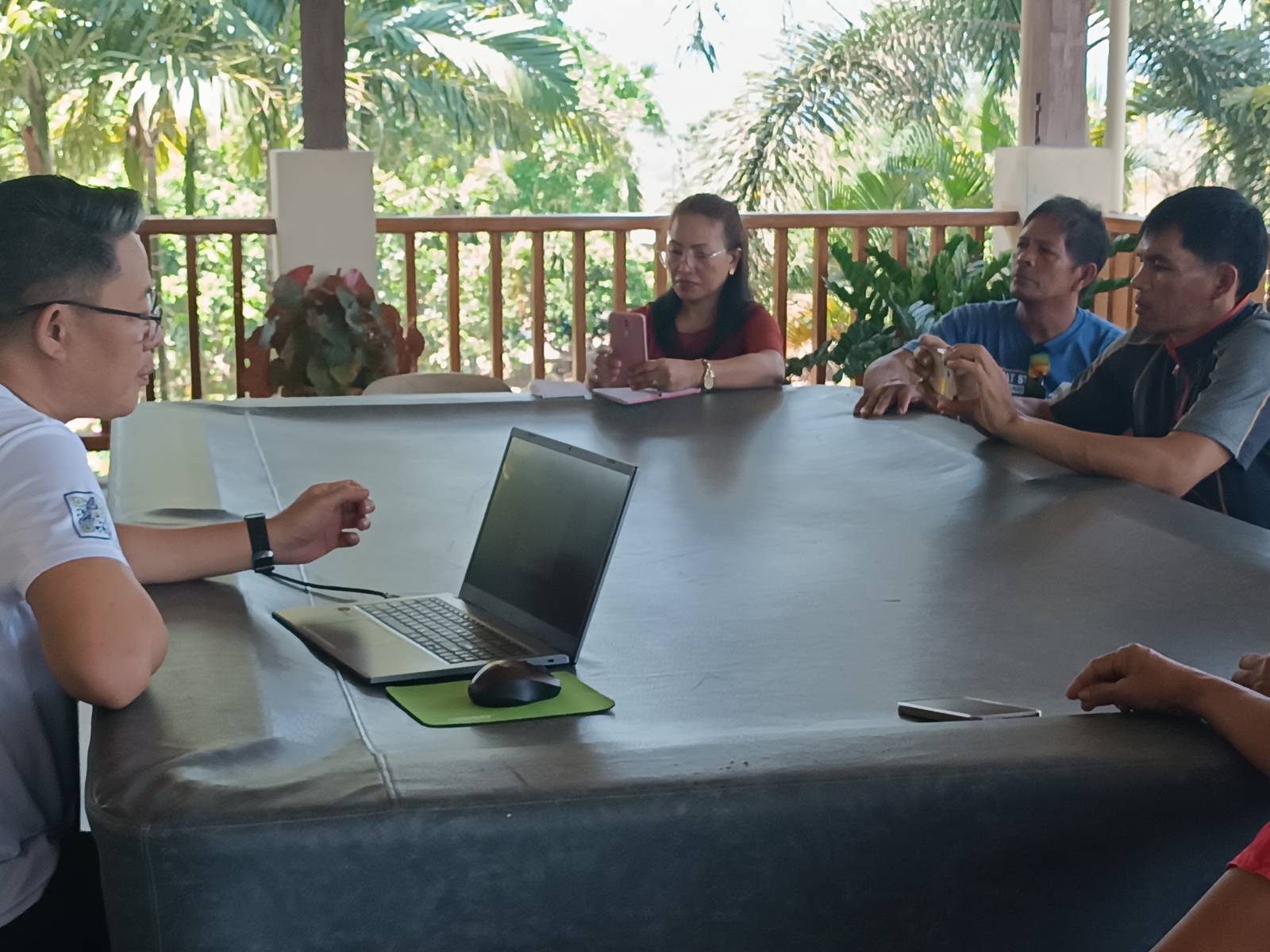
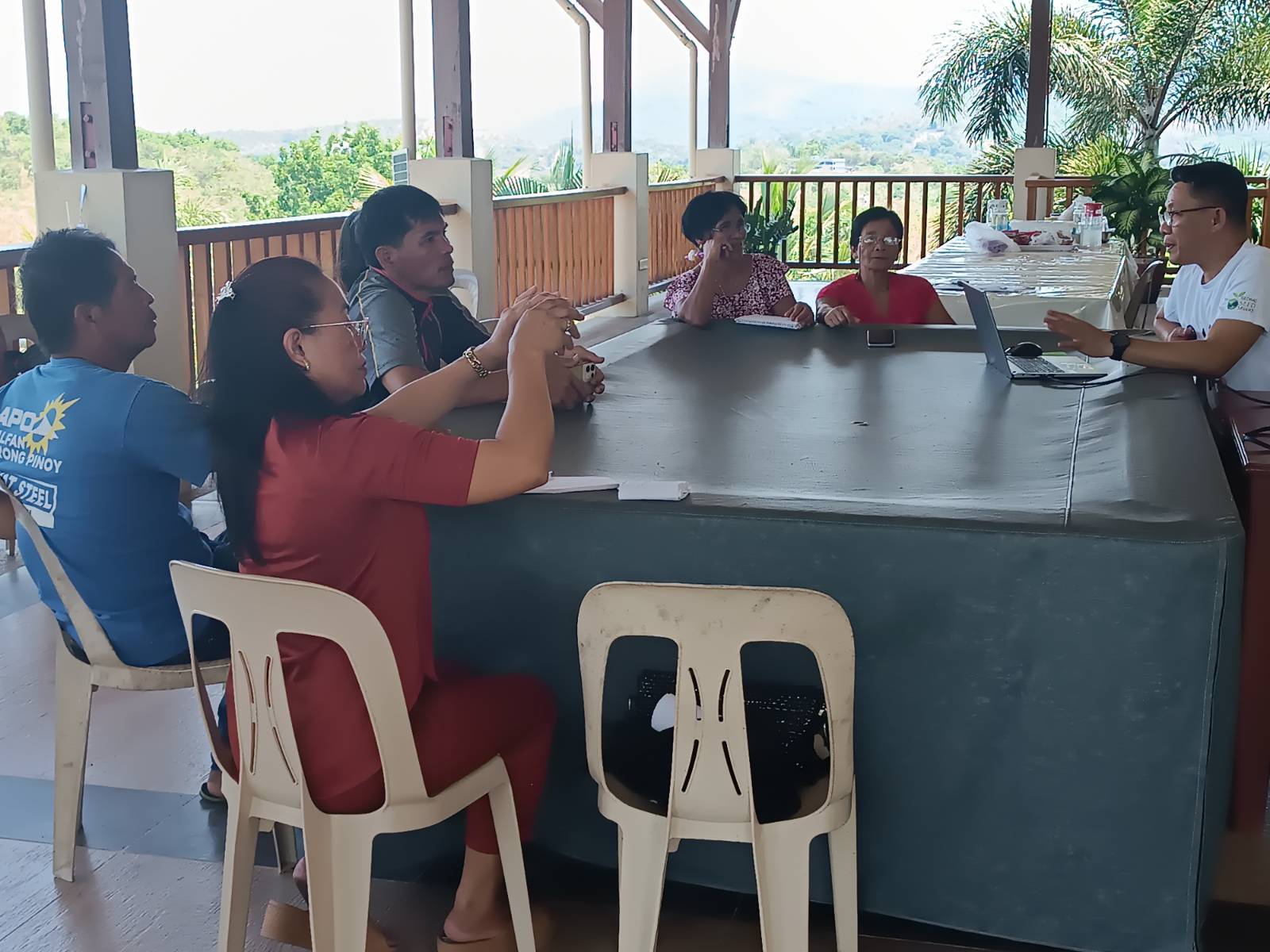
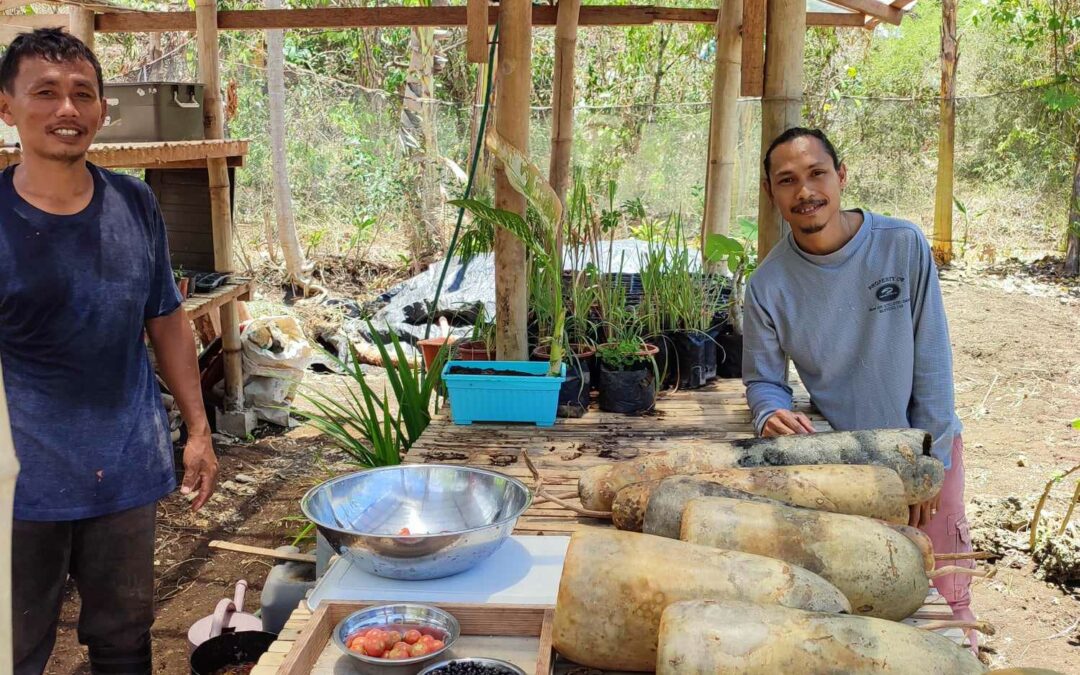
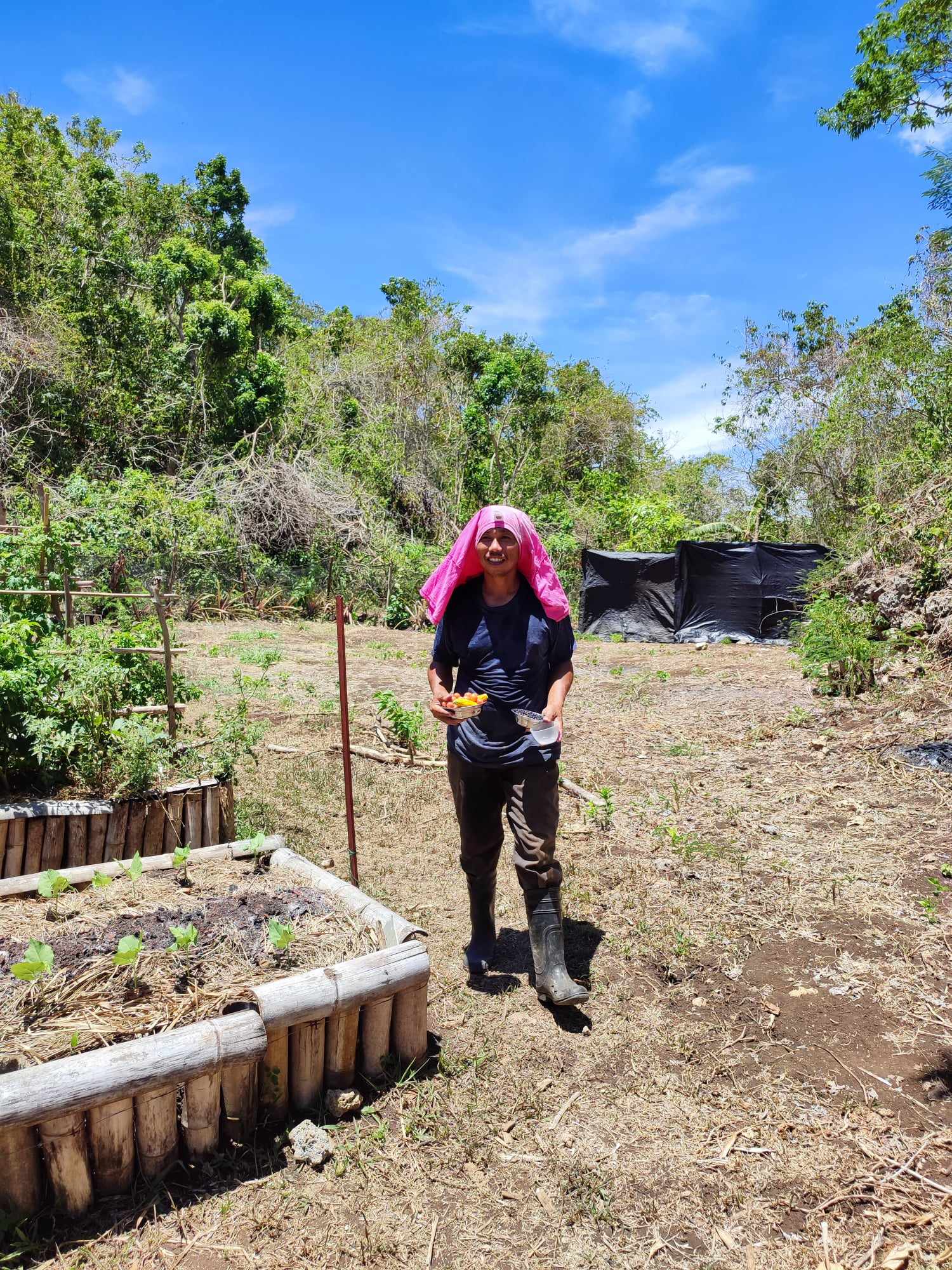
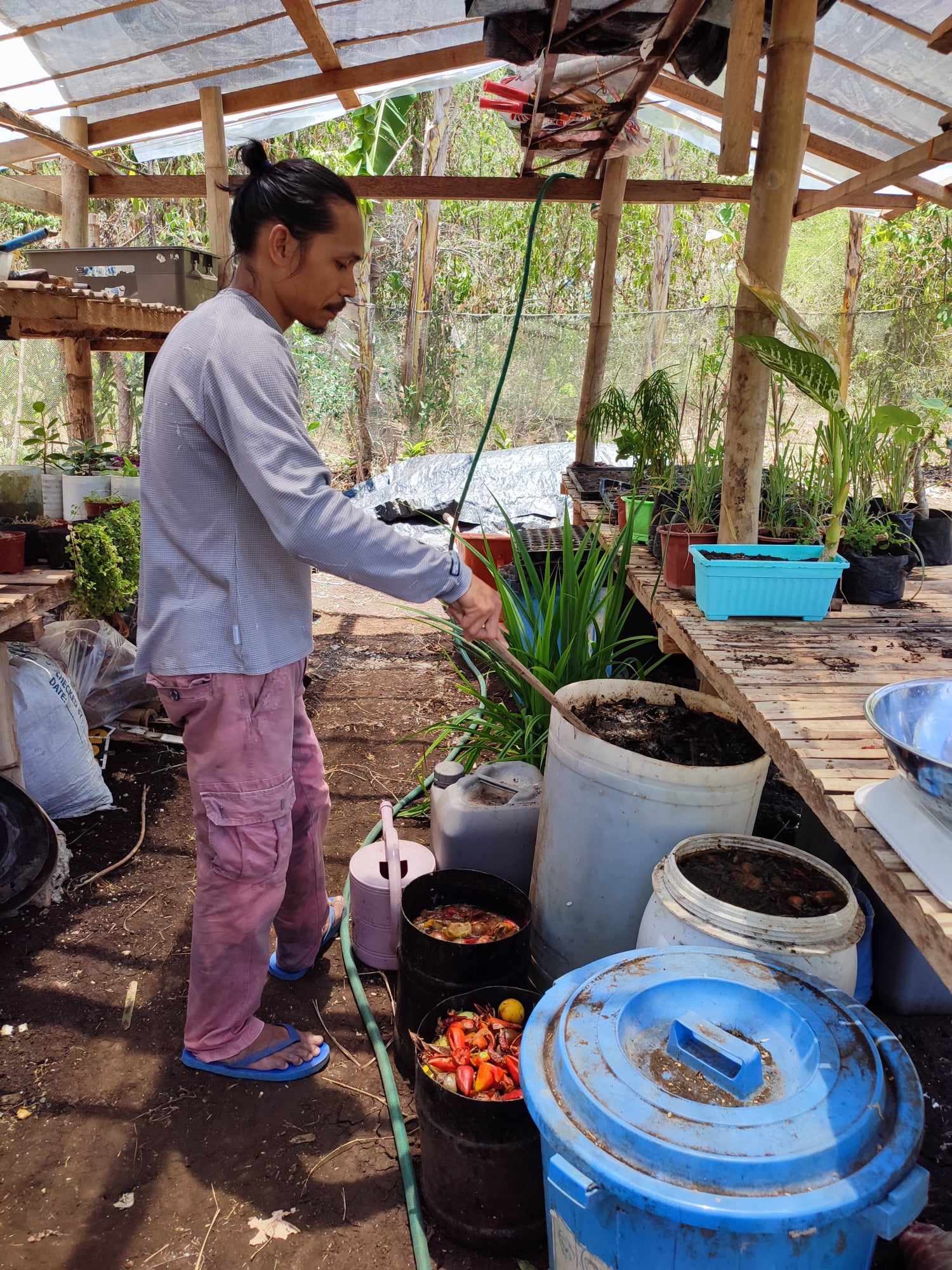
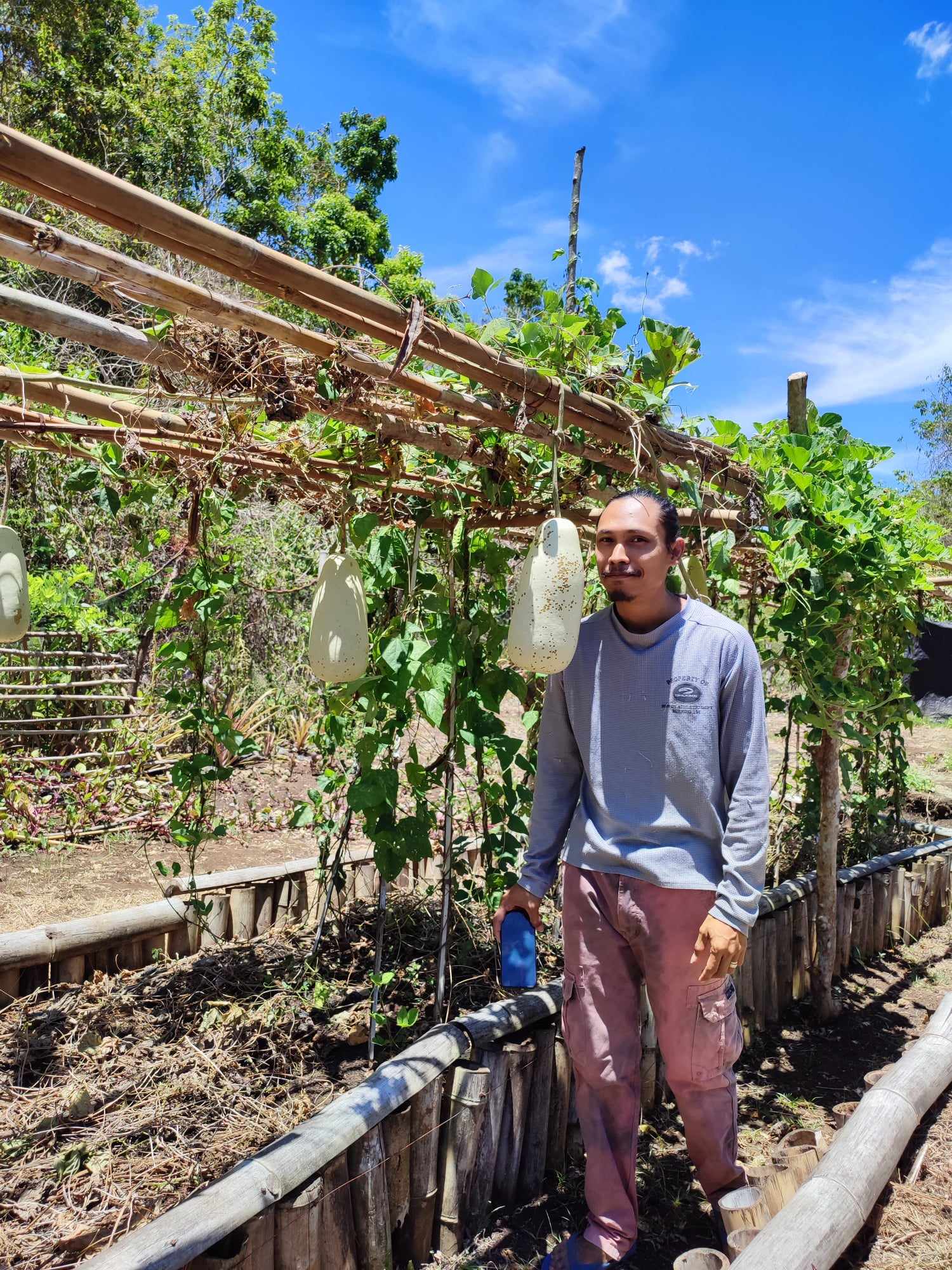
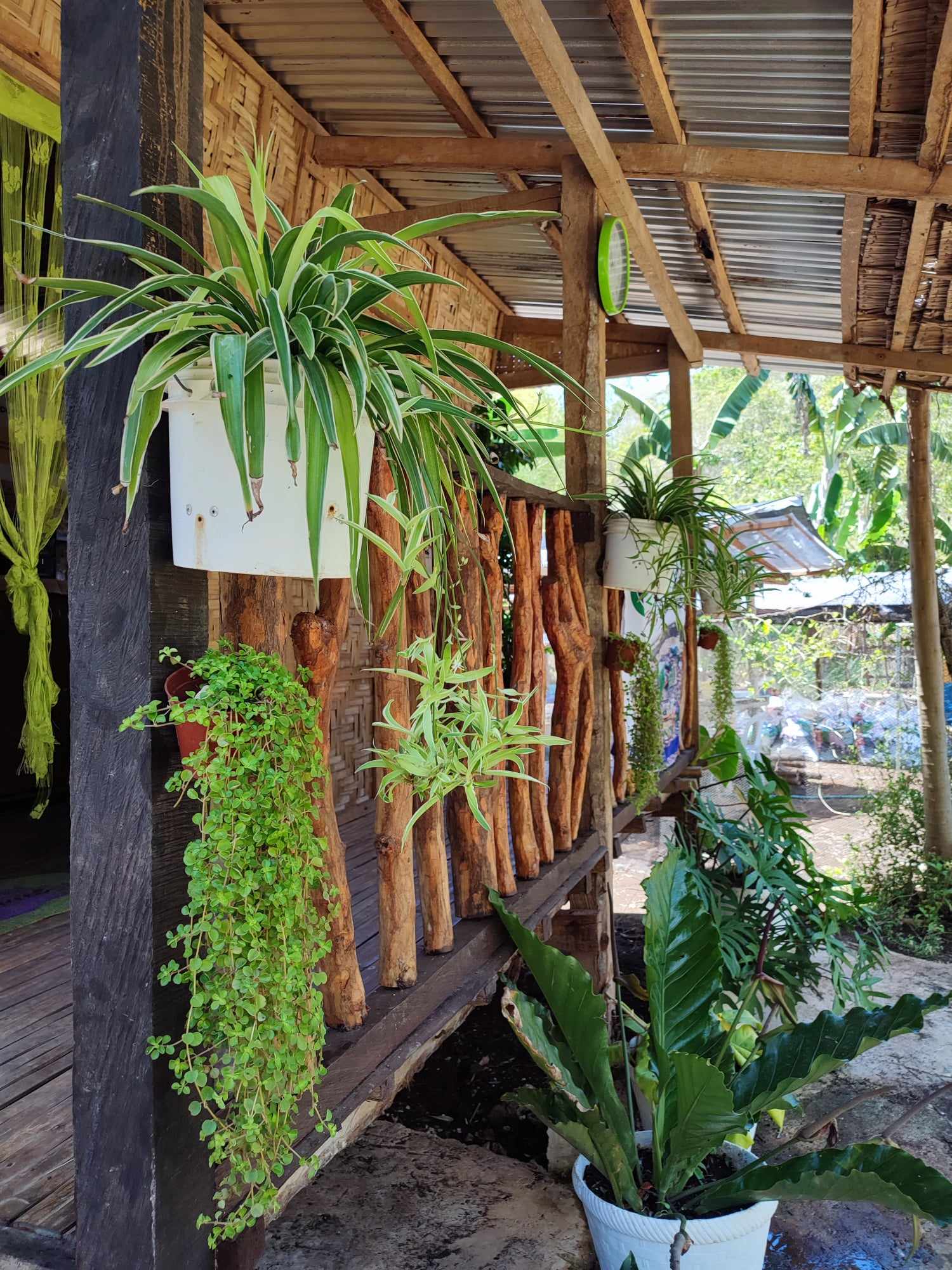
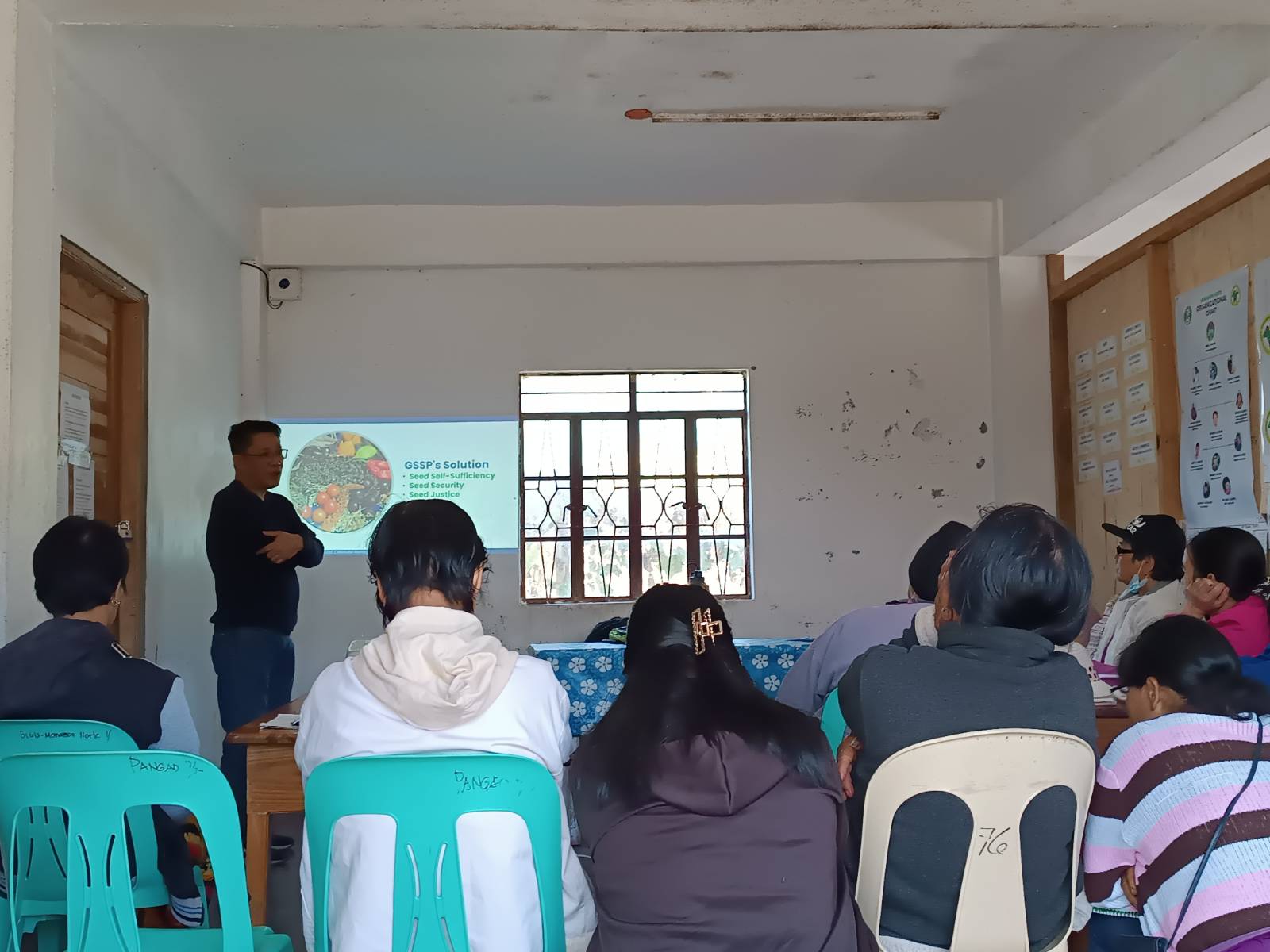
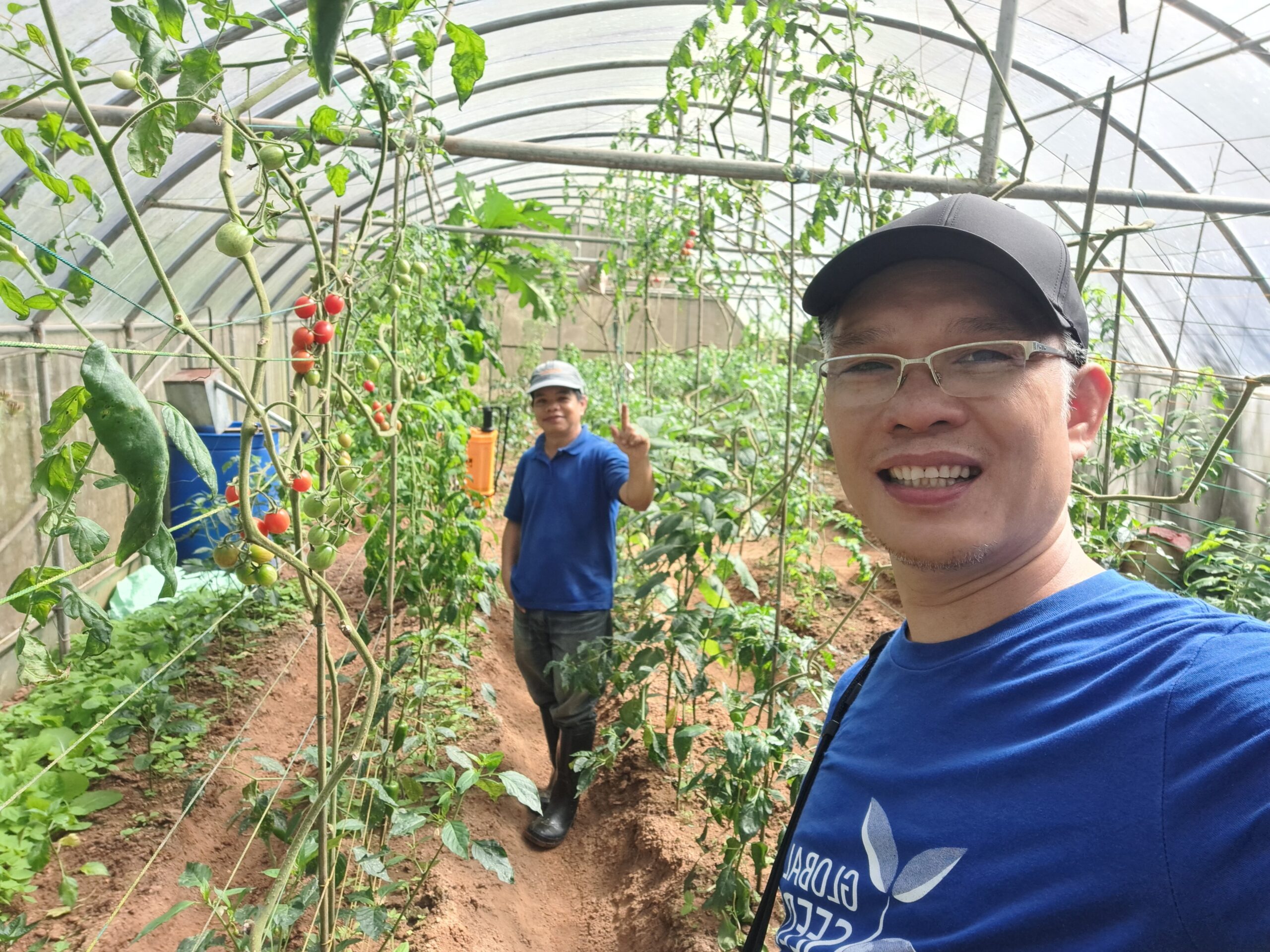
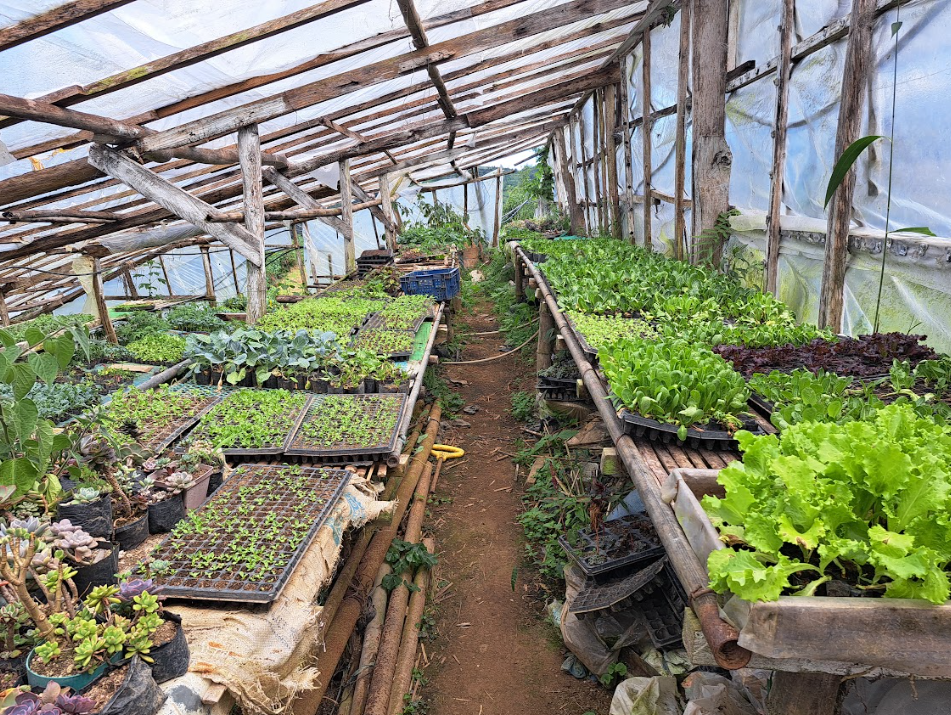
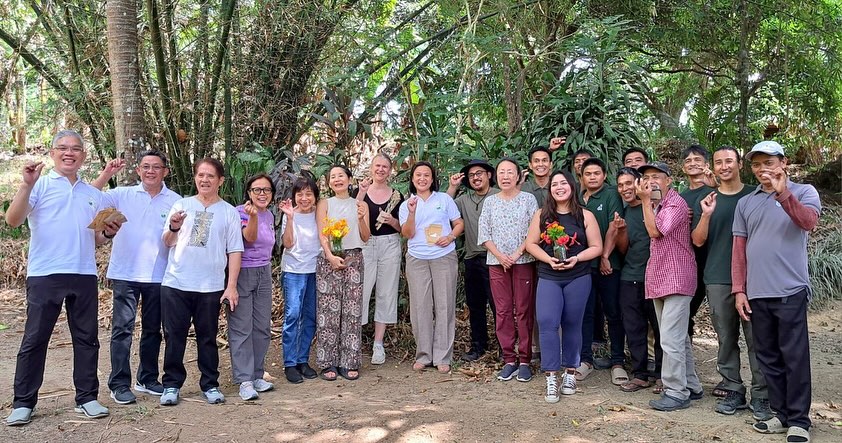
Our journey began at Subli Biodiverse Farm in Calaca, Batangas with our partners at Subli Farm. This forum brought together farmers, gardeners, young agriculturalists, and organic farming advocates. The primary objectives were to present GSSP’s new direction and programs and to promote seed sovereignty as a cornerstone of food security. Participants engaged in a lively seed activity, with Hal presenting on “Seed Sovereignty” and Subli Farm sharing their unique insights and experiences.
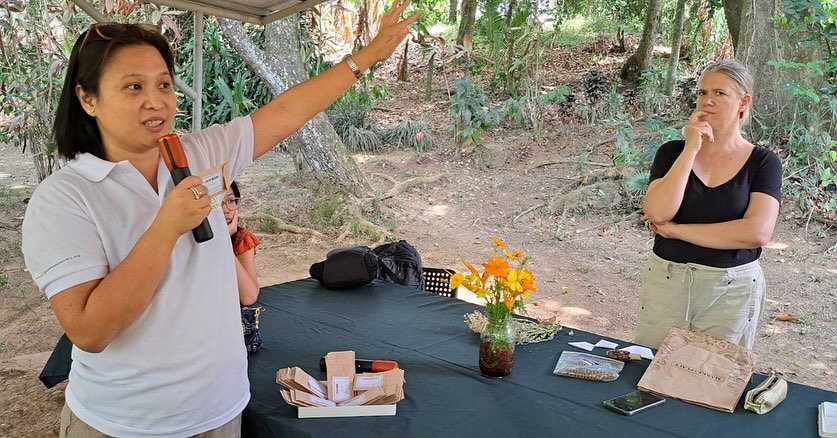
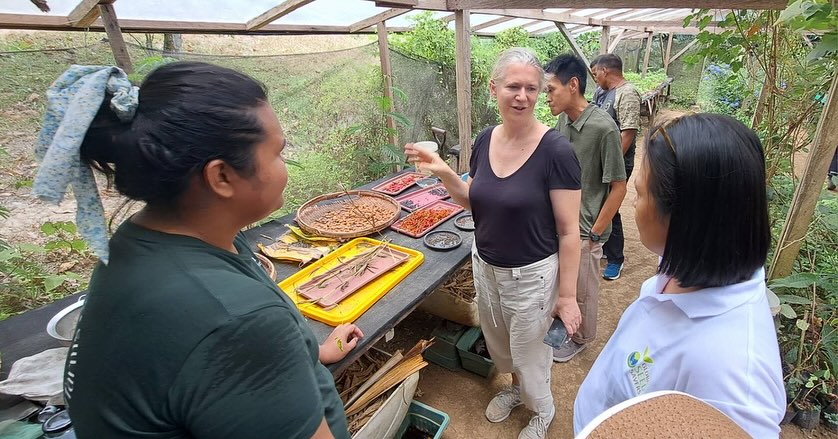
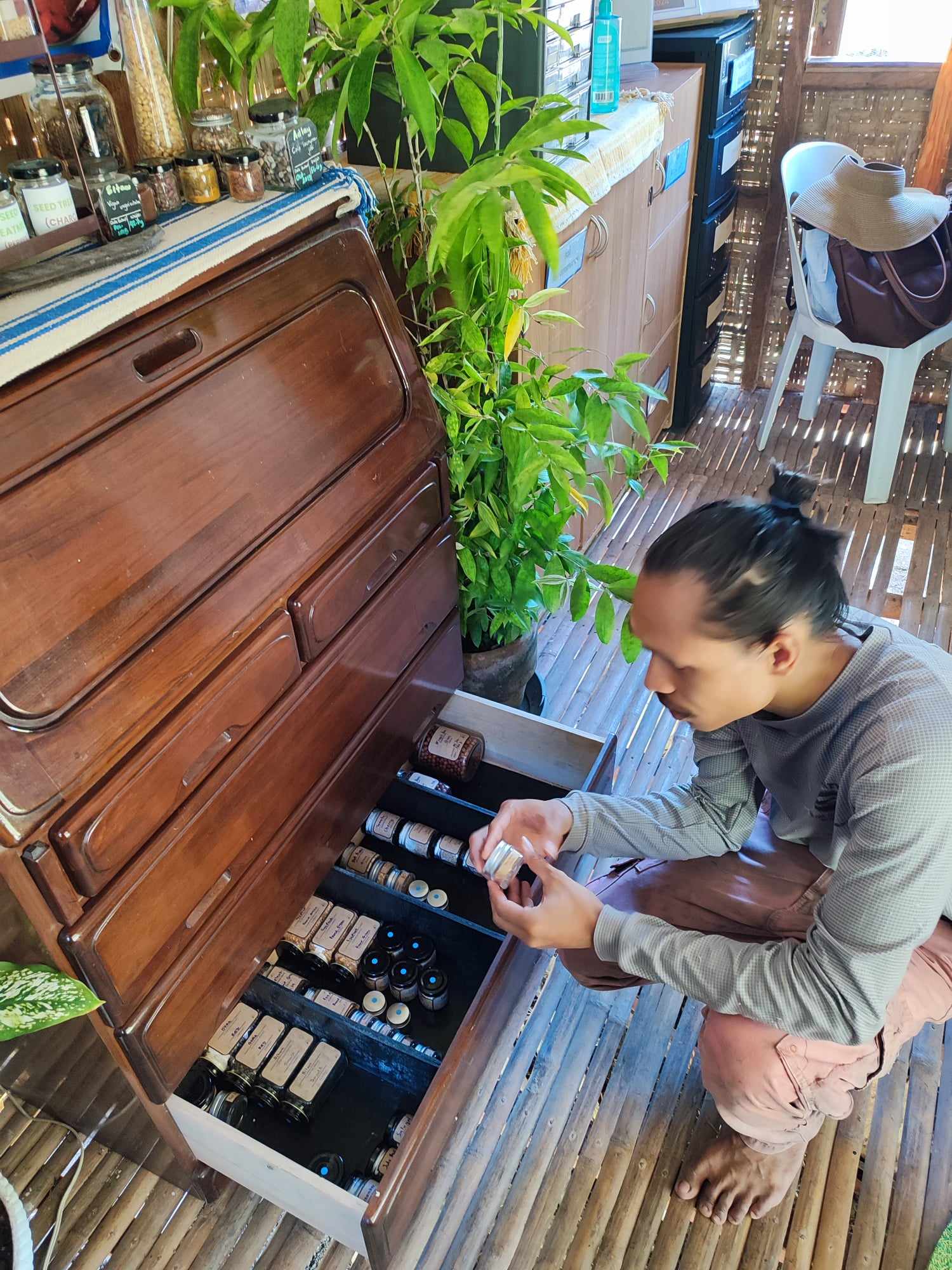
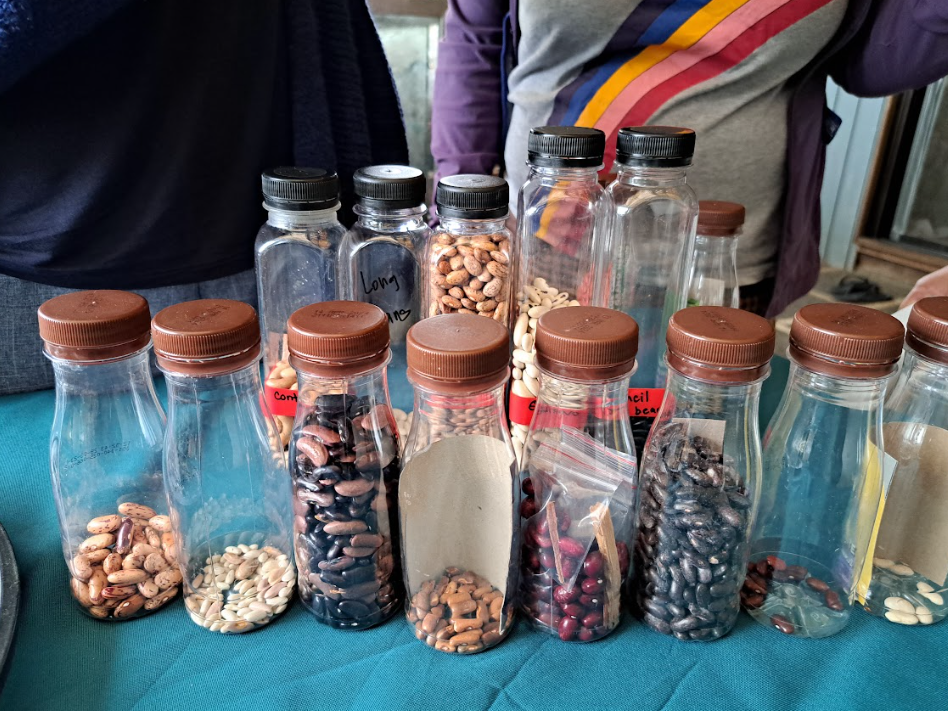
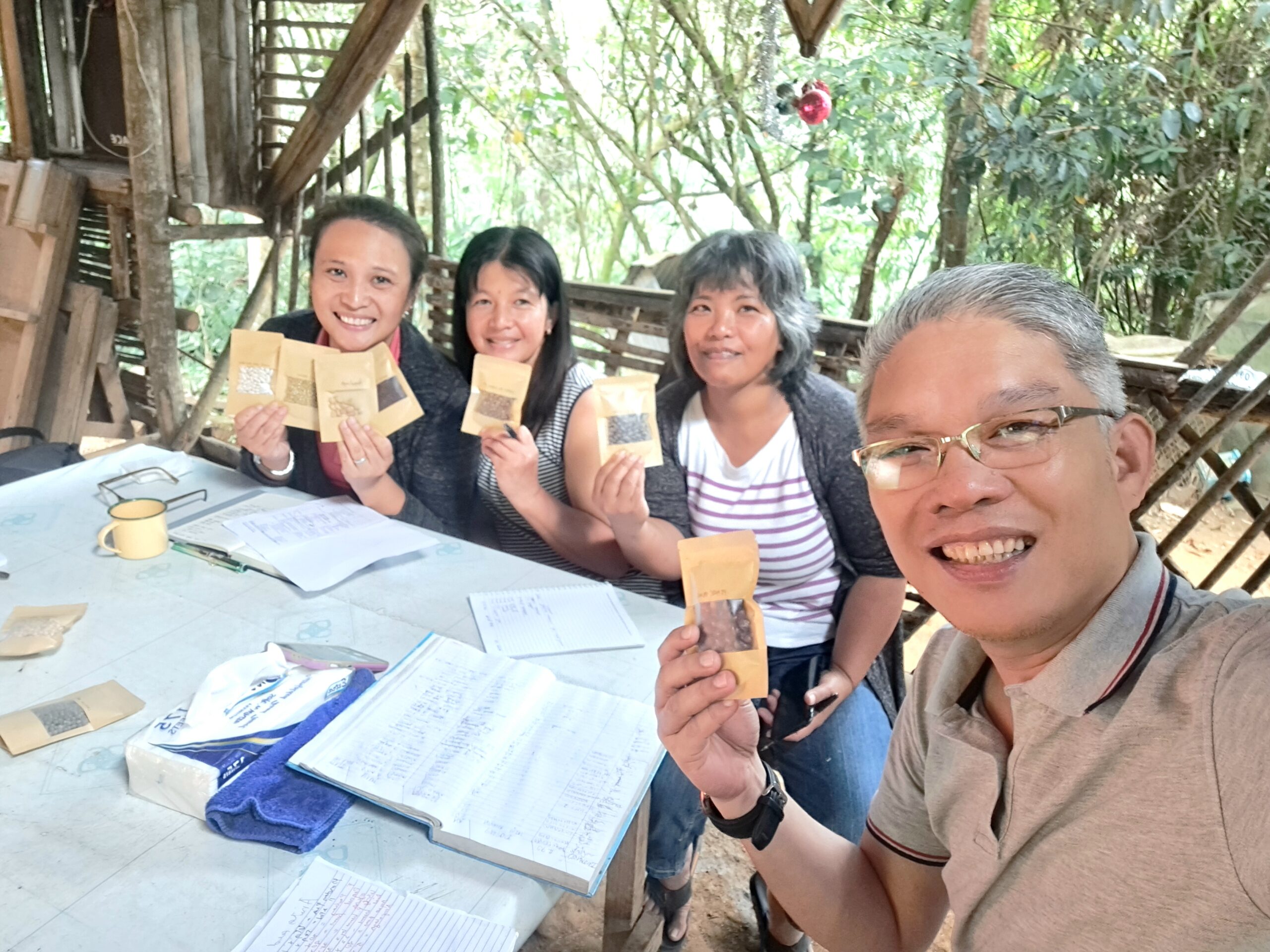
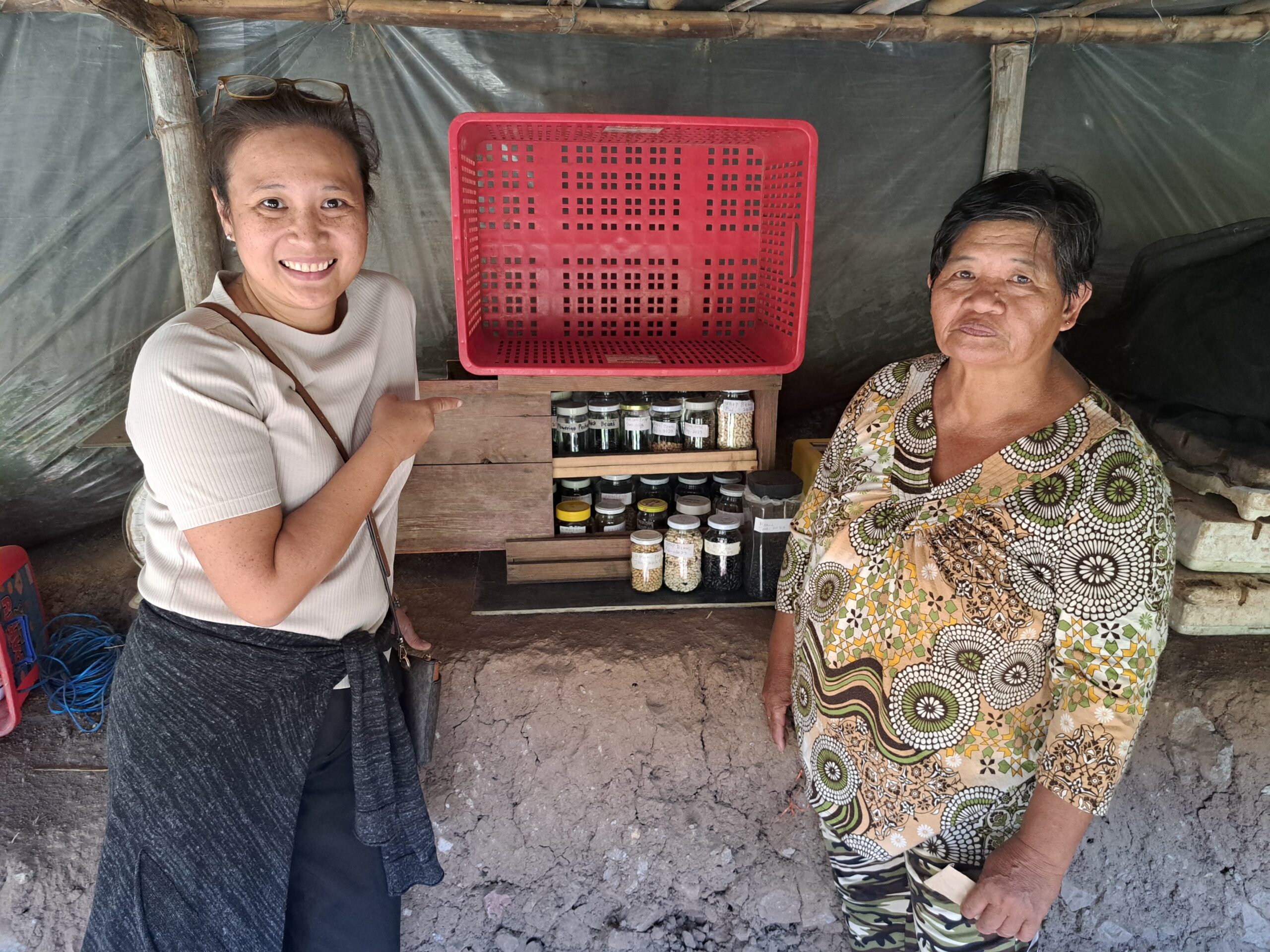
One highlight of this day was the exchange of seeds. GSS distributed seeds from Benguet to eager participants interested in planting and saving seeds. This simple act of sharing seeds symbolizes the collective effort to preserve biodiversity and ensure food security. Attendees left with not only seeds but also a renewed sense of community and purpose. The diverse group of participants—farmers, young growers, and organic farming enthusiasts—shared their thoughts, emphasizing the importance of food production for households and seed saving for future crops.
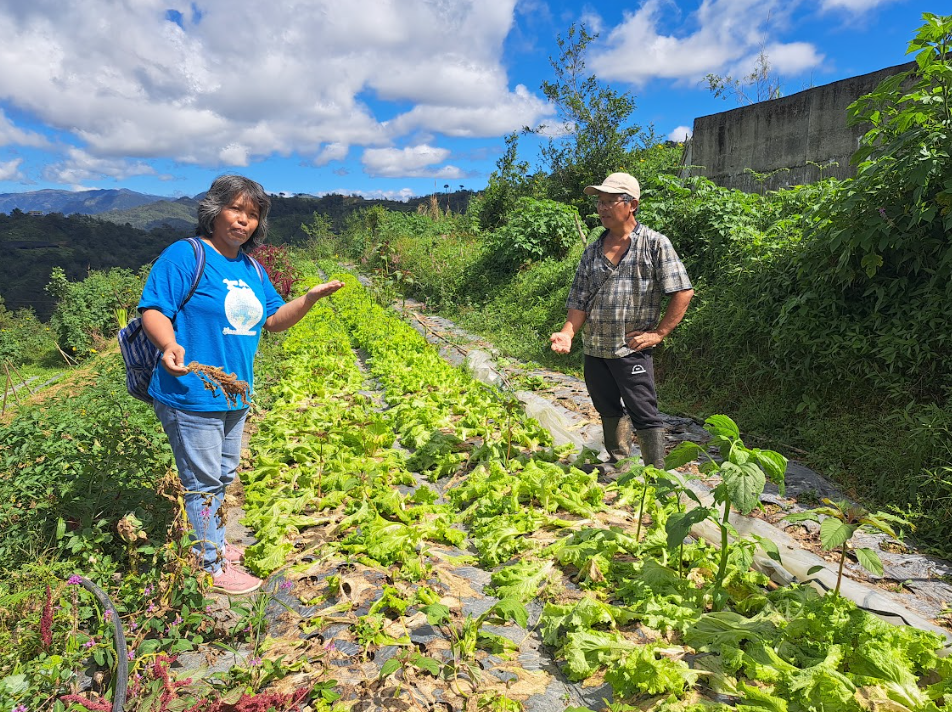
The event underscored a critical message: the fight for seed sovereignty is a response to corporate control over seeds. Sarah Sabado, GSS Operations Manager, highlighted innovative solutions, such as urban seed saving in pots, inspired by practices in Baguio City.
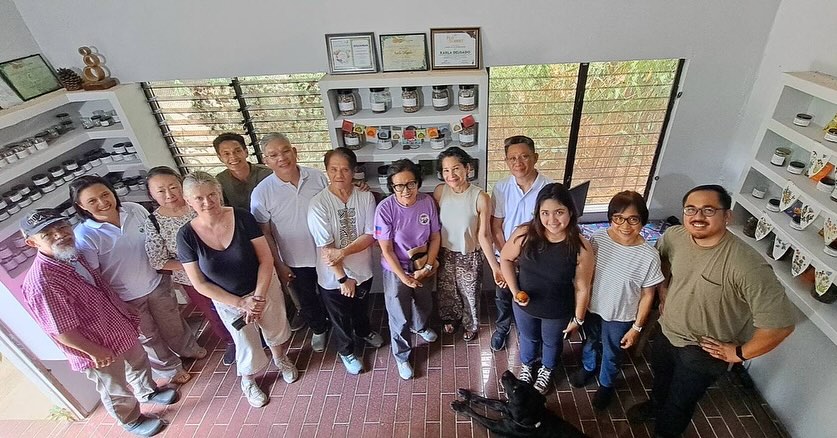
Following the enriching discussions in Calaca, Batangas, our caravan made its way to Silang, Cavite with our partners at Kai Farms. Facilitated by Sarah Sabado, this event aimed to present the new direction of GSS and mobilize support for food security. Participants engaged in meaningful discussions on the importance of seed sovereignty and exchanged valuable insights on sustainable agriculture.
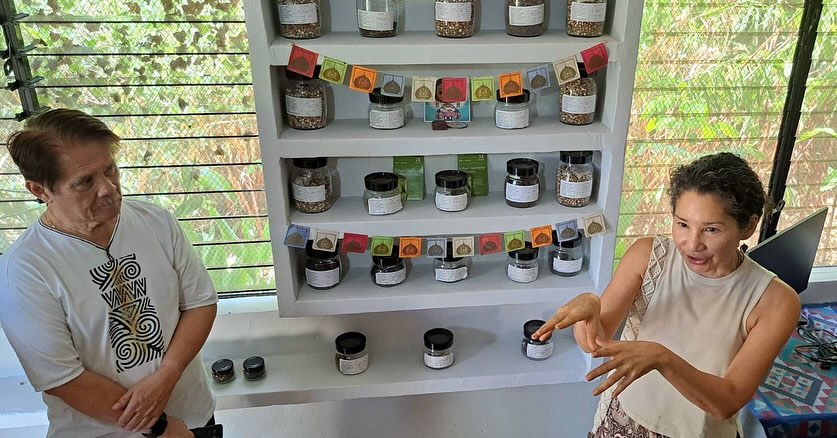
A highlight of the day was another vibrant seed exchange session! Participants shared seeds, fostering a spirit of abundance and community. GSS distributed its seeds, while Kai Farms generously offered both free and for-sale seeds. This exchange not only enriched the seed diversity among participants but also strengthened the bonds within our growing network. The feedback from attendees was overwhelmingly positive, with words like “inspired,” “soulful,” and “community” capturing the essence of the day.
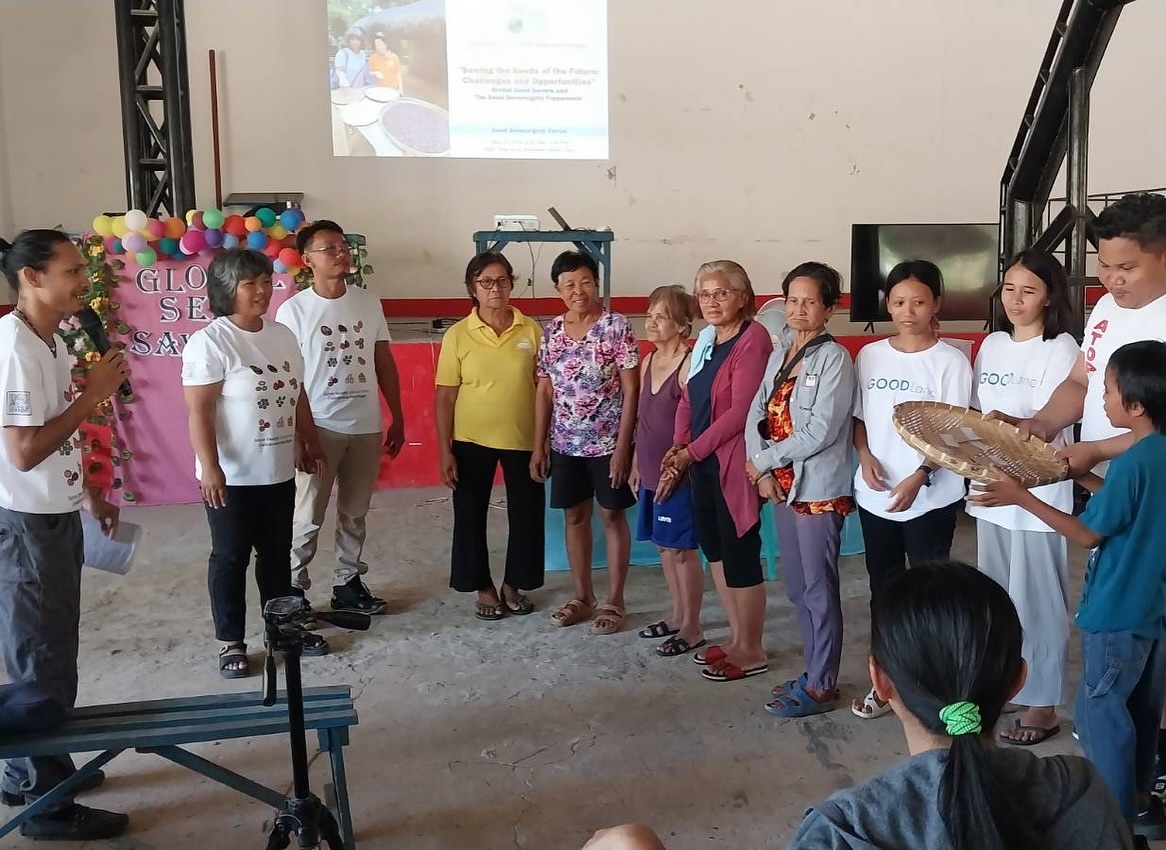
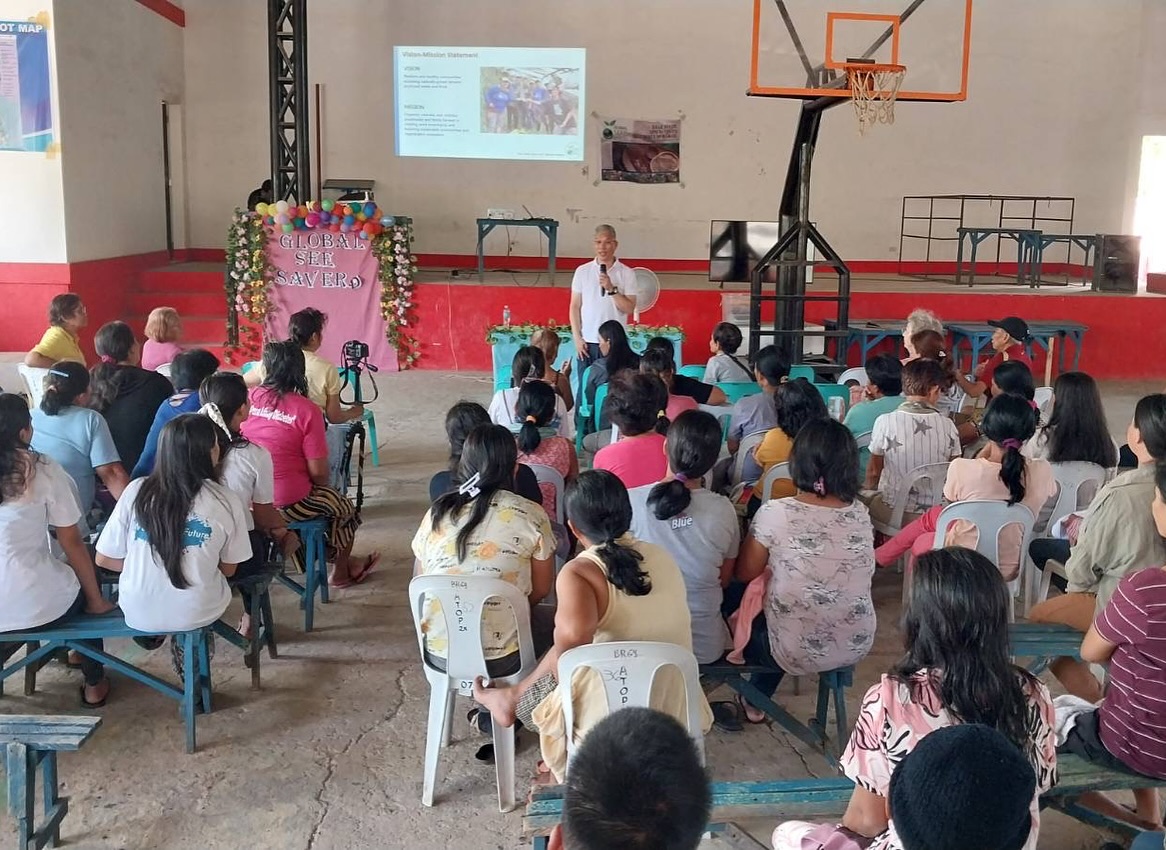
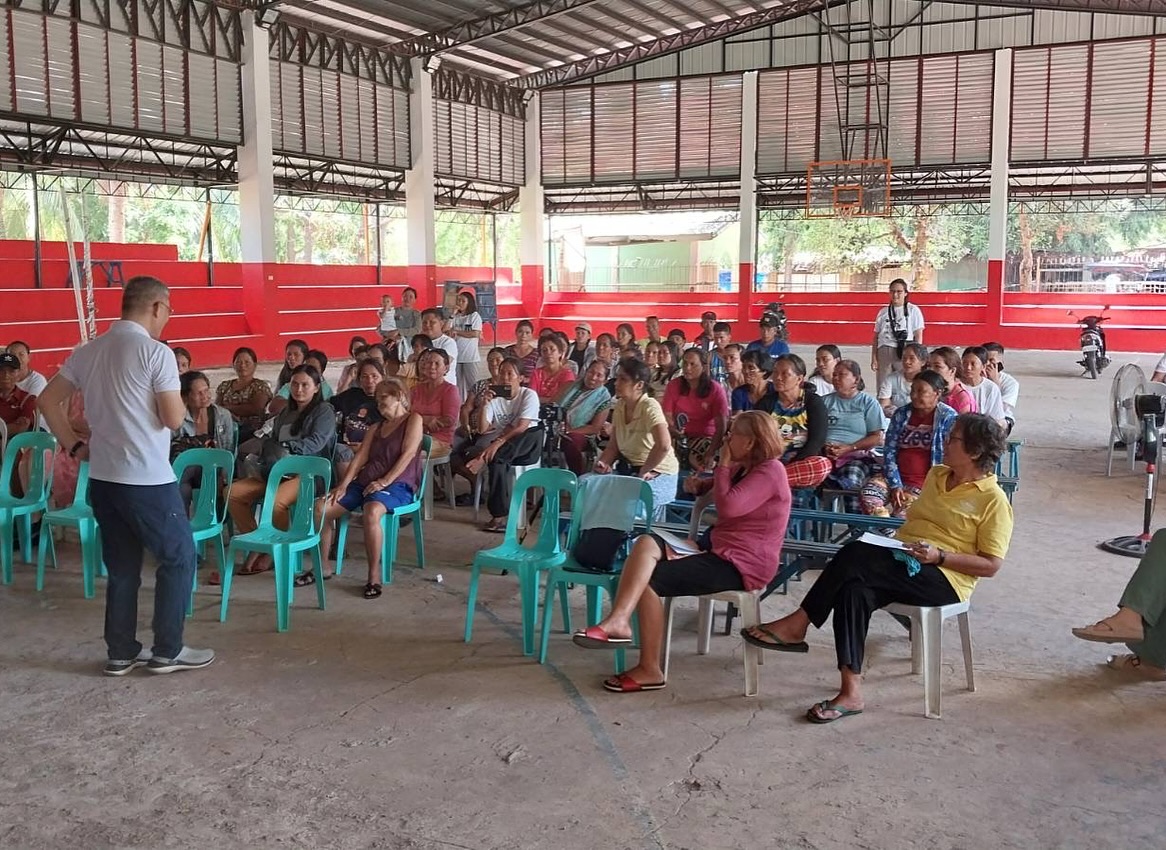
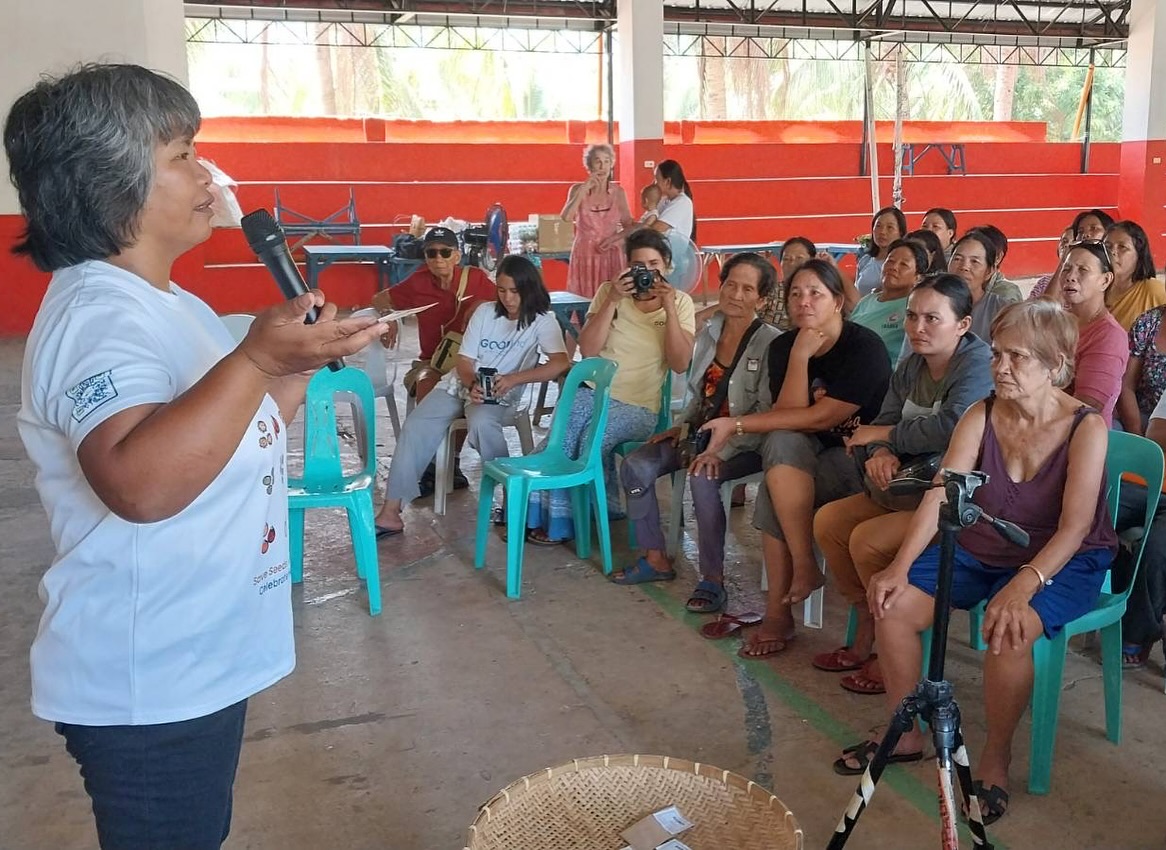
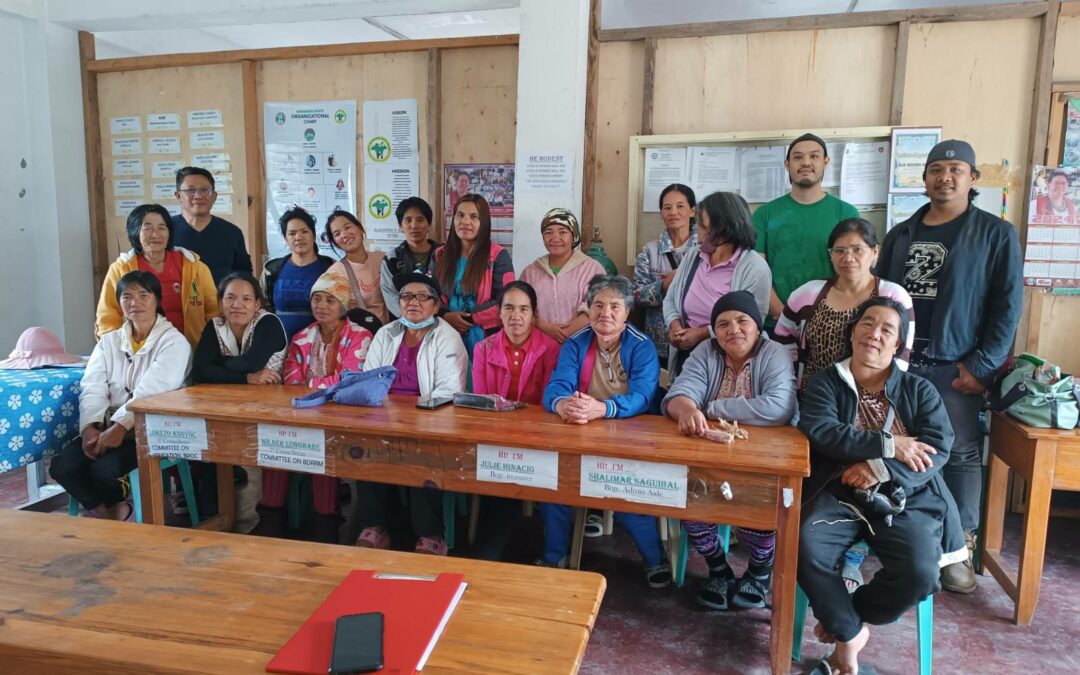
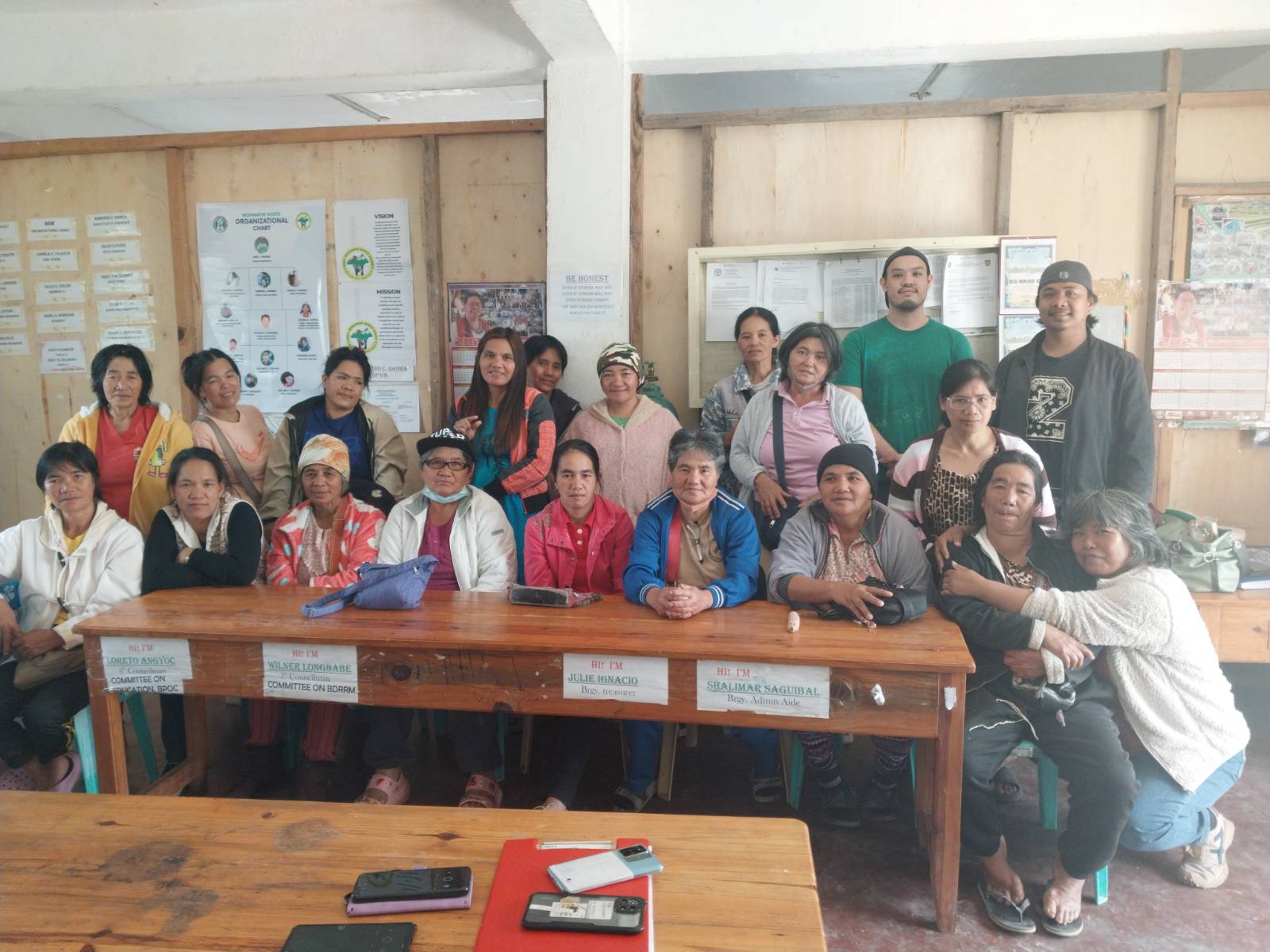
Next, we traveled to the covered court of Brgy. Atup-Atup, Bantayan Island, Cebu along with our diverse group of stakeholders, including members of Good Land, the LGU of Atup-Atup Bantayan Island, and the BAFFA-Brgy. Atup-Atup Fishermen and Farmers Associations.
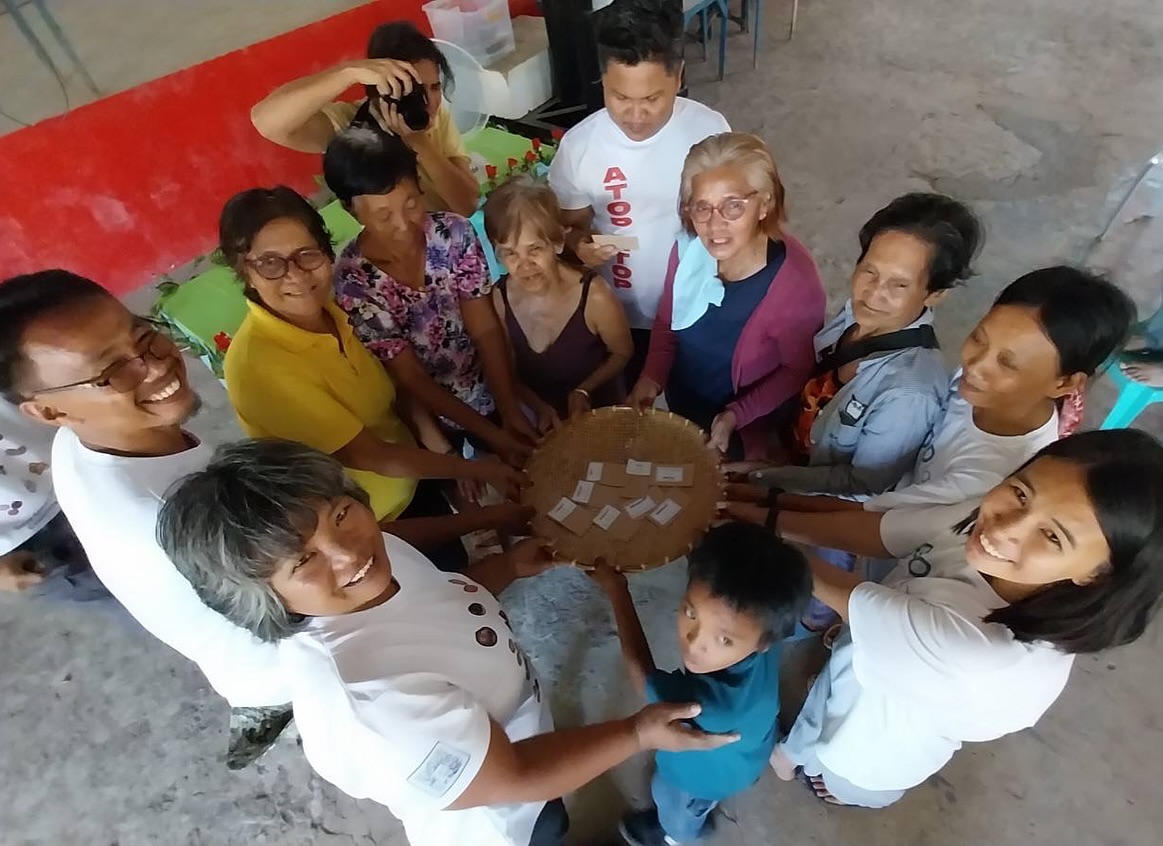
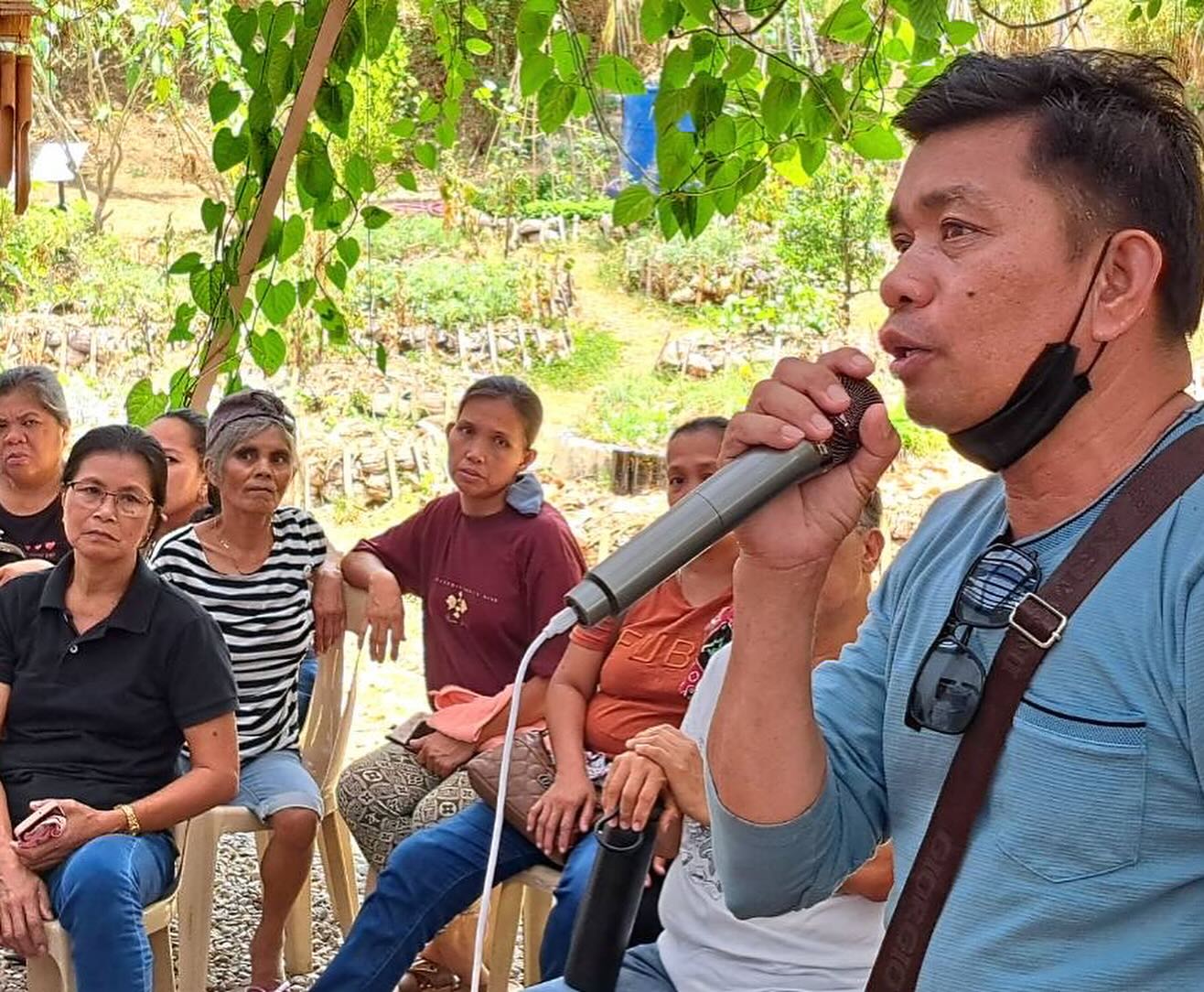
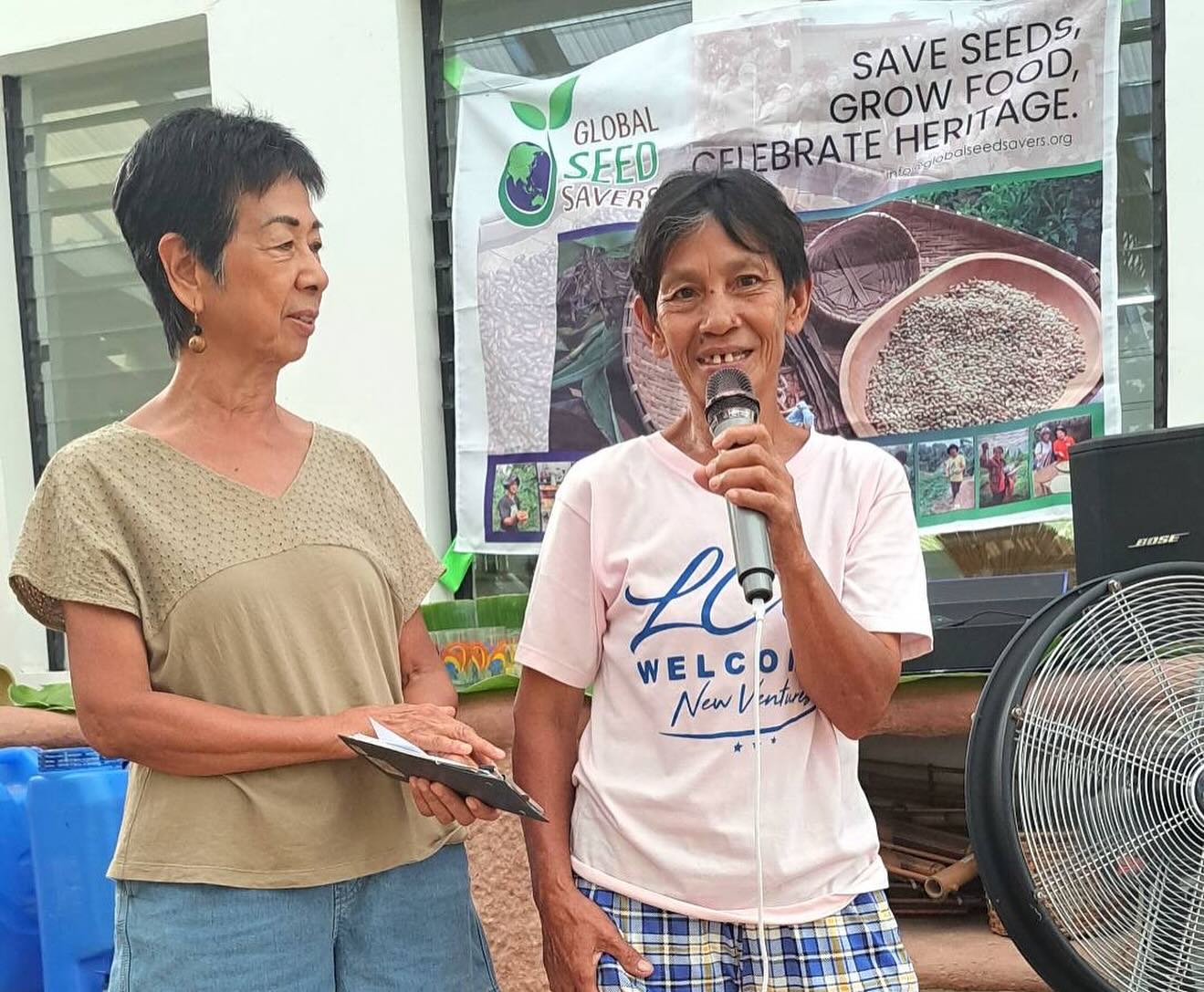
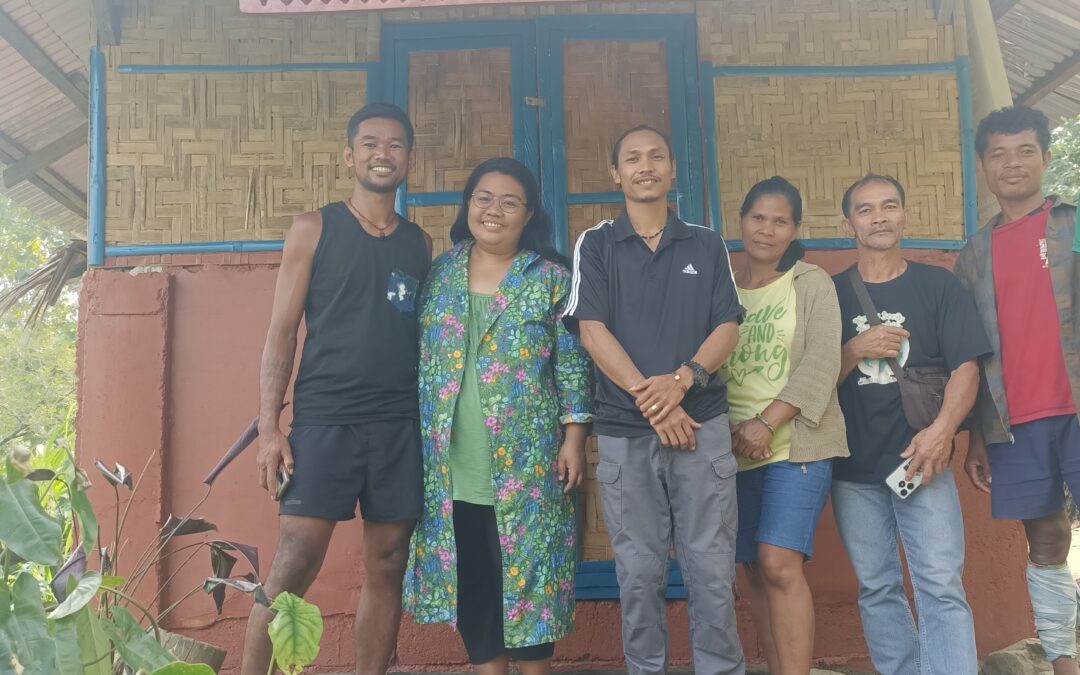
The forum sparked dynamic conversations, with participants eager to learn more about seed preservation, storage, and the potential of attending Seed School. Manang Elizabeth, GSS Farmer Field Staff, and Ronald from Baguio shared their experiences and seeds, fostering a sense of community and shared purpose. Despite challenges like the reliance on agricultural supply stores for seeds and water supply issues in some farming communities, the enthusiasm for learning and collaboration was inspiring to see.
The forum underscored the urgent need to transfer seed-saving knowledge from the older generation to the youth. With 90% of seeds grown by rice and corn farmers originating from farmer breeders, it’s clear that seed sovereignty is crucial for sustainable agriculture.
Our final stop was at The Playground CrossRoads, Banilad, Cebu City where we partnered with Communities for Alternative Food Ecosystem Initiative, Cebu Farmers Market, and Cebu Seed Savers. Our focus on promoting seed sovereignty resonated deeply with attendees, emphasizing its crucial role in food security, health, and well-being.
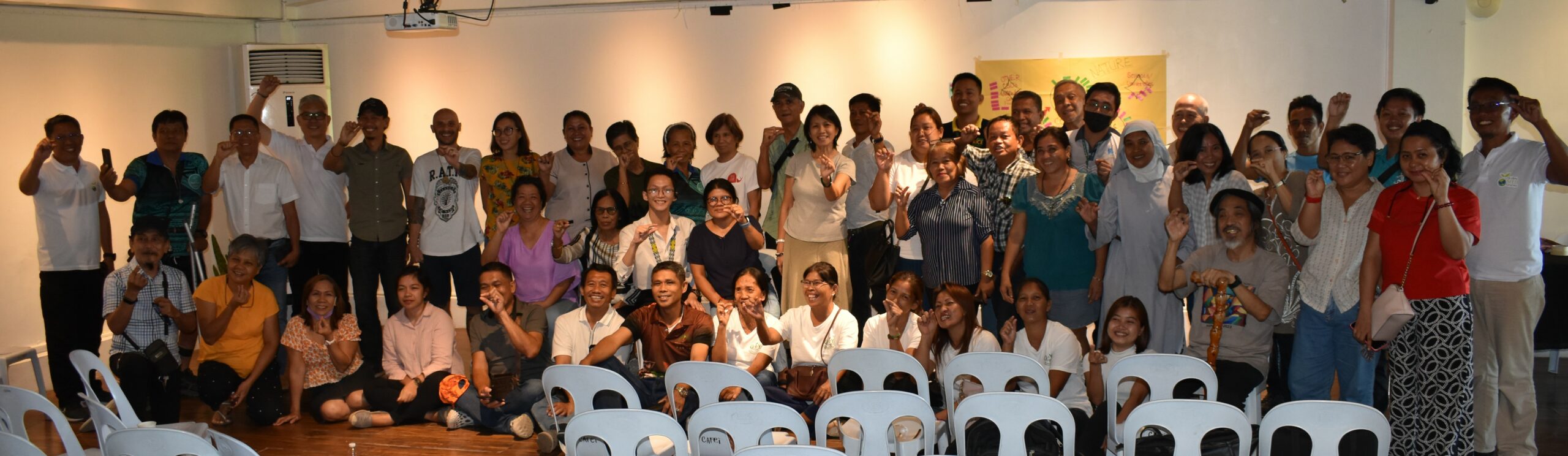
The forum featured powerful insights from local advocates. Sol Torress from the Consumer Group of Cebu Farmers Market highlighted the intrinsic link between seed quality and food quality, stating, “Food sovereignty starts from a seed. Quality of seeds affects the quality of food.” This sentiment was echoed by Camilo Oroc from Cebu Technological University, who expressed gratitude for GSSP’s dedication to preserving native and heirloom seeds. He noted the importance of maintaining these varieties amidst the growing trend of instant, processed food. These perspectives underscored the vital message that seed sovereignty is foundational to sustainable food systems and cultural identity.
Throughout this caravan, the Seed Sovereignty Forums have demonstrated the power of community and the importance of collaborative efforts in promoting sustainable agriculture. Each location brought unique insights and strengthened our network, paving the way for a resilient and food-secure future.