Seeds: The Key To Open Doors

Seeds: The Key To Open Doors

In an island close to our country’s capital is the community of the Tau-Buid, one of eight ethnolinguistic groups living on the island of Mindoro. In my short stay amidst the mountains of Mindoro, I have witnessed how people can live a life of generosity and abundance despite not having the conveniences offered by modern civilization.

Mindoro, for those who do not know, is one of the largest and most populous islands in the Philippines, but it also one of the most preserved, both ecologically, and culturally. In fact, a blog post written by Eben Diskin in 2018 refers to Mindoro Island as an “untouched paradise” because of its natural beauty and biodiversity.

It is then, no understatement for me to say that visiting Mindoro was nothing short of a blessing. Living for a few days amongst the rivers, the aged trees, plants unknown to me, the birds singing their enchanting music amidst the backdrop of majestic mountains and blue skies, I am grateful to be granted this once-in-a-lifetime experience.

I am a visitor to this place, but for the Tau-Buid, this land is their home and their life. Here “connection” has a very different meaning. There is no WiFi here where people can Google when and how to do agriculture. The Tau-Buid knows it through the traditions passed on to them by their ancestors, and through their experience living amongst nature. They have no need for clocks and calendars to determine which plants will thrive in which season.

The simplicity of living among the Tau-Buid has taught me that there is nothing wrong with pausing in order to savor and appreciate what we have. It is okay to not always get what we want. It has also reminded me that losing a few days of internet does not make me miss out on life.

While some of us worry about what clothes to wear, and what cars to buy, the Tau-Buid remains proud to wear a sheet of cloth as they tread the forest barefoot. While some of us might think that this is because they have no choice, my experience living amongst them shows that this is a choice that they made –  to continue these traditions and sustain their culture.

And as most of society is preoccupied in seeking for “what’s in it for me”, community life here is different. The leaders of the Tau-Buid is preoccupied in search for what is good for their community. They spend their resources to ensure the safety of their family and their community, as well as to protect their cultural heritage, and their land.

It is here where the negative impacts of economic development and the quest for power is pronounced, and clearly the Tau-Buid has long been at the receiving end. In the process, they have learned to become wary of visitors and foreigners.

But I was in good company, and I am grateful to have the opportunity to dine and interact with some of them. I realize that the conversations I had with the Tau-Buid, and the unique process of discovery I experienced in their land was possible only because of seeds.
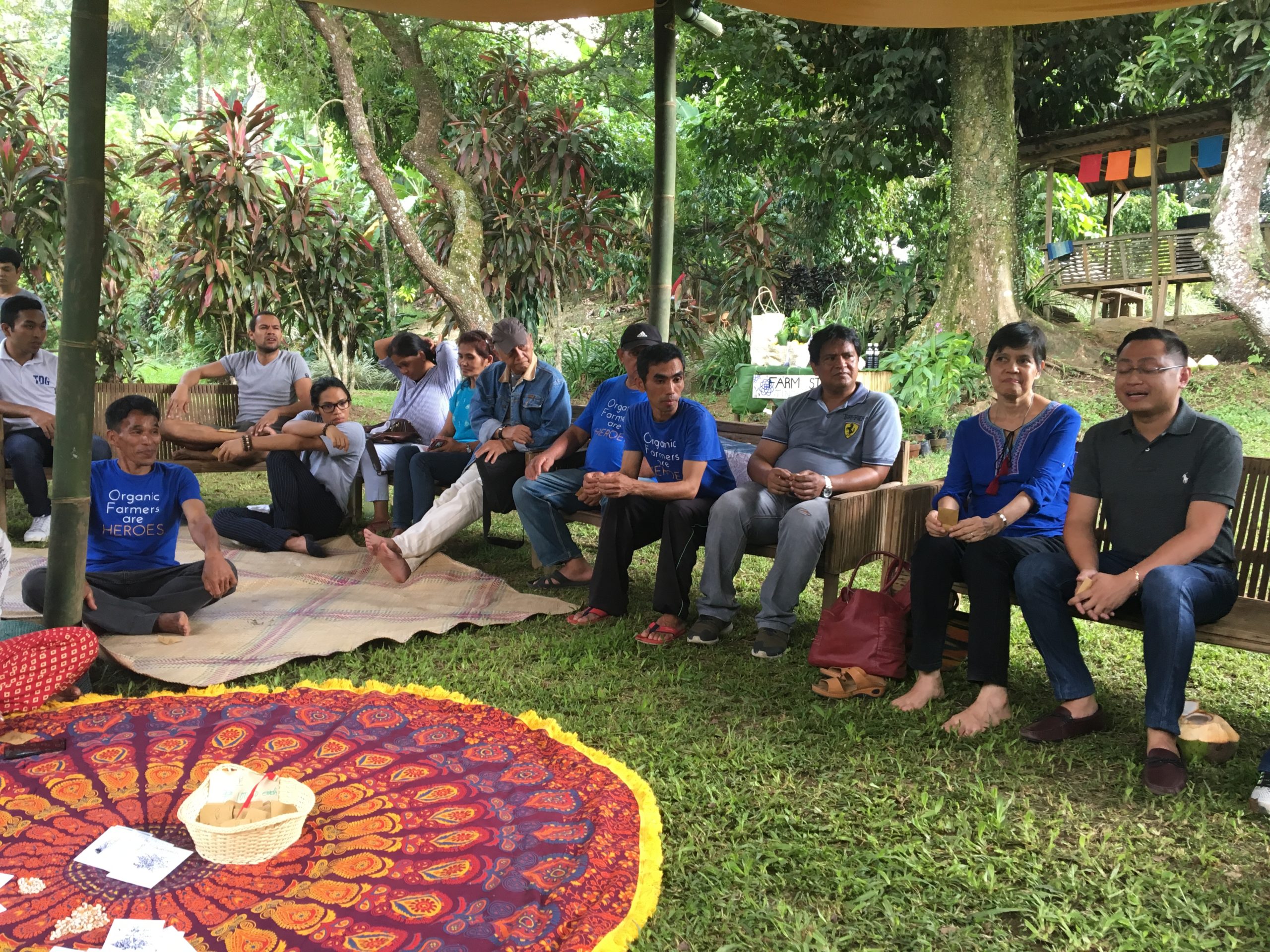
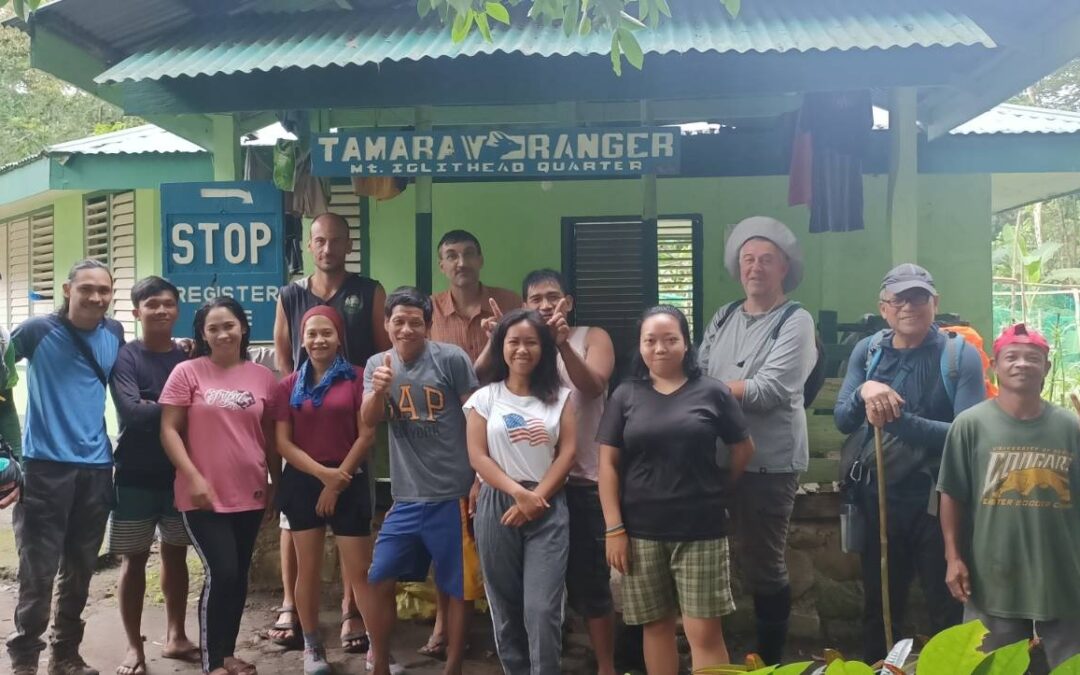
Enjoying the serenity of Mt. Iglit.

The simplicity of living among the Tau-Buid has taught me that there is nothing wrong with pausing in order to savor and appreciate what we have. It is okay to not always get what we want. It has also reminded me that losing a few days of internet does not make me miss out on life.

While some of us worry about what clothes to wear, and what cars to buy, the Tau-Buid remains proud to wear a sheet of cloth as they tread the forest barefoot. While some of us might think that this is because they have no choice, my experience living amongst them shows that this is a choice that they made –  to continue these traditions and sustain their culture.

And as most of society is preoccupied in seeking for “what’s in it for me”, community life here is different. The leaders of the Tau-Buid is preoccupied in search for what is good for their community. They spend their resources to ensure the safety of their family and their community, as well as to protect their cultural heritage, and their land.

It is here where the negative impacts of economic development and the quest for power is pronounced, and clearly the Tau-Buid has long been at the receiving end. In the process, they have learned to become wary of visitors and foreigners.

But I was in good company, and I am grateful to have the opportunity to dine and interact with some of them. I realize that the conversations I had with the Tau-Buid, and the unique process of discovery I experienced in their land was possible only because of seeds.
ANG PAGTANOM UG BINHI | The Planting of Seed

ANG PAGTANOM UG BINHI | The Planting of Seed

Exploring the health implications of food sovereignty movements in the Philippines.

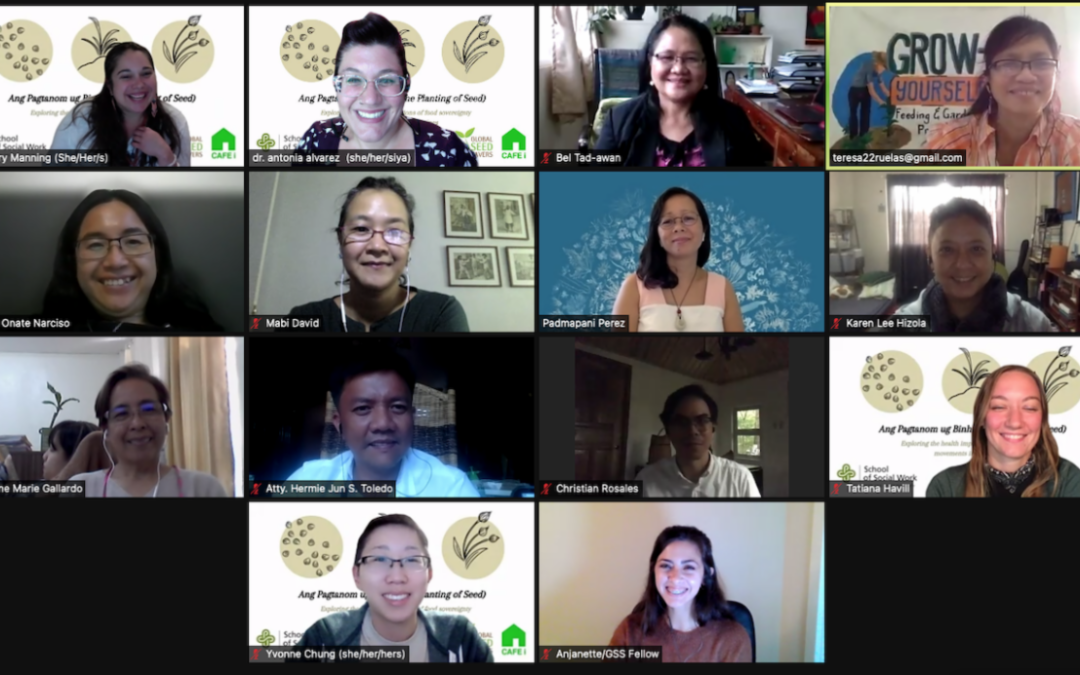
We are honored to have launched this collective project that has been many years in the making! The focus of this dynamic collaborative research project is to gather community stories of how connections to food, land, and seeds help individuals heal from historical trauma and build truly sovereign communities with strong health outcomes. Health in the broadest sense including: physical, mental, social, emotional, cultural, the health of the land, etc. 


Dr. Antonia Alvarez is a longtime friend and supporter of GSS and through her vision and leadership for this research, our collective work is underway. Guided by our local Design Team including Karen, our Philippines Executive Director, and Teresa the Executive Director of our partner NGO in Cebu CAFEi, we have been meeting for the last year to organize our vision for this work. Last month we launched the Community Advisory Board composed of 10 dynamic Filipino leaders in the food justice and seed sovereignty movement throughout the country. 

The CAB is made up of food advocates, NGO leaders, professors, doctors, indigenous people, and more. We will be conducting community interviews in the coming months and working with each of these partners to compile the interviews and stories unearthed. We look forward to sharing more as this project progresses. 

This collaboration with Global Seed Savers and CAFEi is a dream come true! For me, this project team centers on the ethic of community care, cultural healing/well-being, and food, which are three of my most beloved things! Each project partner brings with their deep commitment to the work, expertise related to food, health, and healing, and will help to make this project an amazing success. On a personal level, being able to do work back in my ancestral homelands of the Philippines with dear friends and colleagues is an incredibly moving, humbling experience, and especially as we are figuring out how to do this during the complicated times that we are in!

― Dr. Antonia Alvarez, Portland State University, Graduate School of Social Work

Visiting Kai Farms and Connecting with our Growing Seed Family

The thick humidity and warm air always fill me with a rush of excitement and intensity upon arrival to Metro Manila! My landing on Thursday afternoon was no different. It is a familiar intensity that I look forward to each time I return to my second home of the Philippines. After a quick night in Manila complete with a delicious veggie Kare-Kareng (Peanut Stew) at one of my “safe places” in Manila, Corner Tree Café and a lovely breakfast at Wildflour with our Program Manager Karen who met me in Manila on Thursday, we were off to our partners at Kai Farms.

Kai Farms is a 20-hectare farm in Silang, Cavite about two hours south of Manila. We connected with them last year and are so thankful for our partnership with these fellow seed savers and seed stewards. The farm is privately owned and they employ nearly 30 local community members and are actively organically farming, saving and selling seeds, and building our collective healed and whole earth! The vision of this sacred land is held and created by Karla and Amena the dynamic duo of soul earth sisters making Kai Farms a reality!

IMG_8658

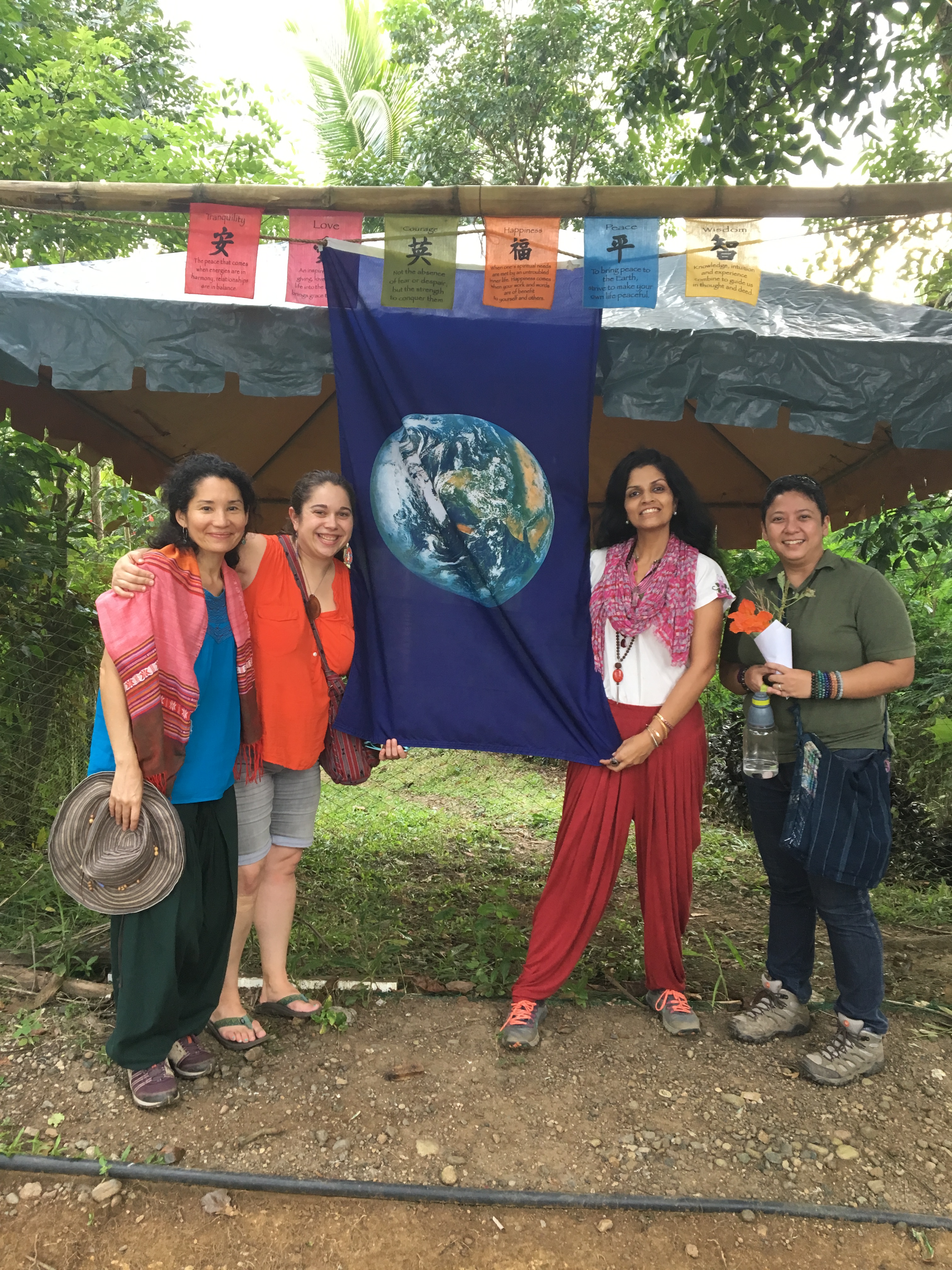
L-R- Karla of Kai Farms, Sherry GSS, Amena Kai Farms, and Karen GSS. Pose for a photo after a great tour of the farm on Friday.

This last June we held a one-day Seed School with their farmers and other community members. This was the first seed school that two of our core farmers from the Benguet Association of Seed Savers (BASS) facilitated and our meetings last weekend were to brainstorm and make plans for our collective work restoring seed saving, organic sustainable agriculture, and ensuring that all people have access to healthy and sustainably produced food and seeds!

On Friday we toured the farm and got to visit with the Earth Worker/Earth Leaders (what they call their farmers) and tour the beautiful grounds. Each Earth Worker tends their own garden at the farm complete with beautiful names such as Gratitude, Kapayapaan (Peace), and Freedom. Each garden has a multitude of crops and they are practicing permaculture and each garden is also saving seeds. In addition to the tour and a lovely farm lunch Karen ended up giving an impromptu germination test lesson to the farmers and staff!


On Saturday, Kai Farms was kind enough to organize a beautiful community lunch for members of the Silang community, friends from Metro Manila, local restaurant owners, University Professors, and even the Vice Mayor and Municipal Agriculture Officer from Silang joined. We shared delicious organic food, our seed stories, and held a community discussion about our work and how we might continue to partner with Kai Farms and the greater Silang Community to continue to share our knowledge of seed saving and work together to ensure all communities have access to affordable and locally sustainably produced food and seeds.

It was inspiring to be with so many like-minded people all committed to a similar vision. I was particularly impressed with the young and dynamic Vice Mayor of Silang. He is probably no older than 35 and shared a compelling message of the great work Silang is doing to preserve their agriculture traditions and ensure the next generation of farmers stays engaged in these practices. They have declared themselves an agricultural Municipality and have also opened the first Agricultural High School in the Philippines. In addition the Local Government Unit (LGU) offers scholarships to deserving students that want to attend college to study agriculture. Each of these steps are innovative and will ensure that the next generation of farmers see the value in farming as opposed to turning away from this critically important livelihood.


We are very excited to partner with the LGU of Silang and Kai Farms to bring another Seed School to this community in 2018. We are also continuing to brainstorm ways Kai and Global Seed Savers can raise awareness about our shared work in 2018, likely starting with hosting a screening of SEED: The Untold Story in Metro Manila to raise awareness and funds about this movement and engage the urban support of Manila. We are so thankful for our growing collaborations with Kai Farms and look forward to seeing how our paths and work continue to grow together.