2025 Year End Message from GSS PH Executive Director Hal Atienza

2025 Year End Message from GSS PH Executive Director Hal Atienza

Hal Atienza, Philippines Executive Director, Global Seed Savers

As we close 2025, we do so with gratitude and quiet pride. This year reminded us that seed sovereignty is not built in moments of ease, but through patient and collective work. It is rooted in trust, learning, and shared responsibility.


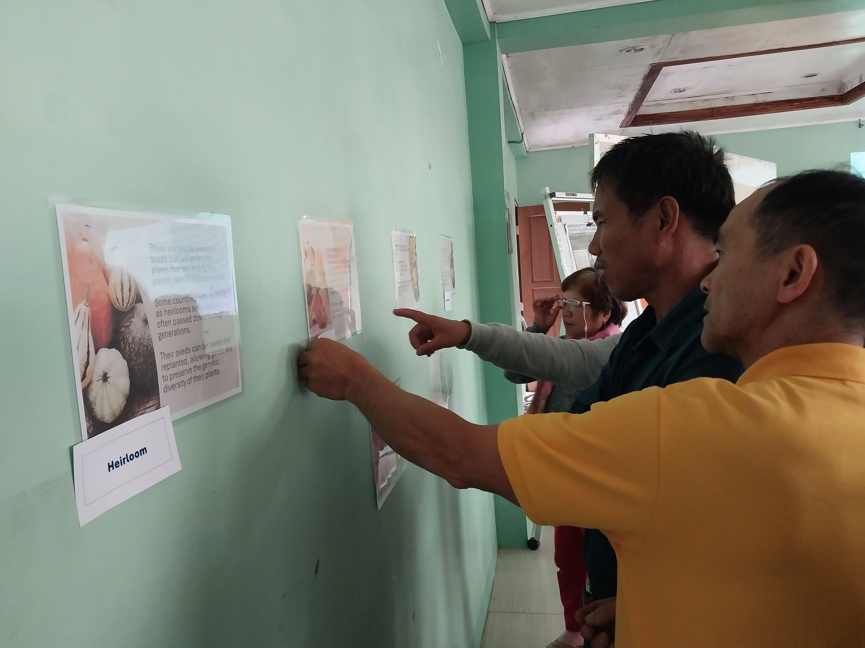
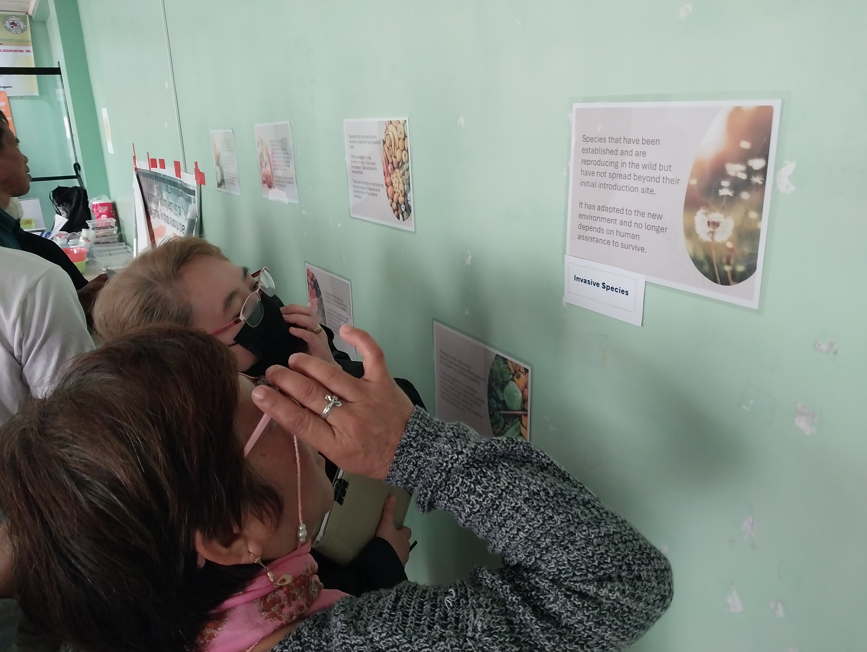
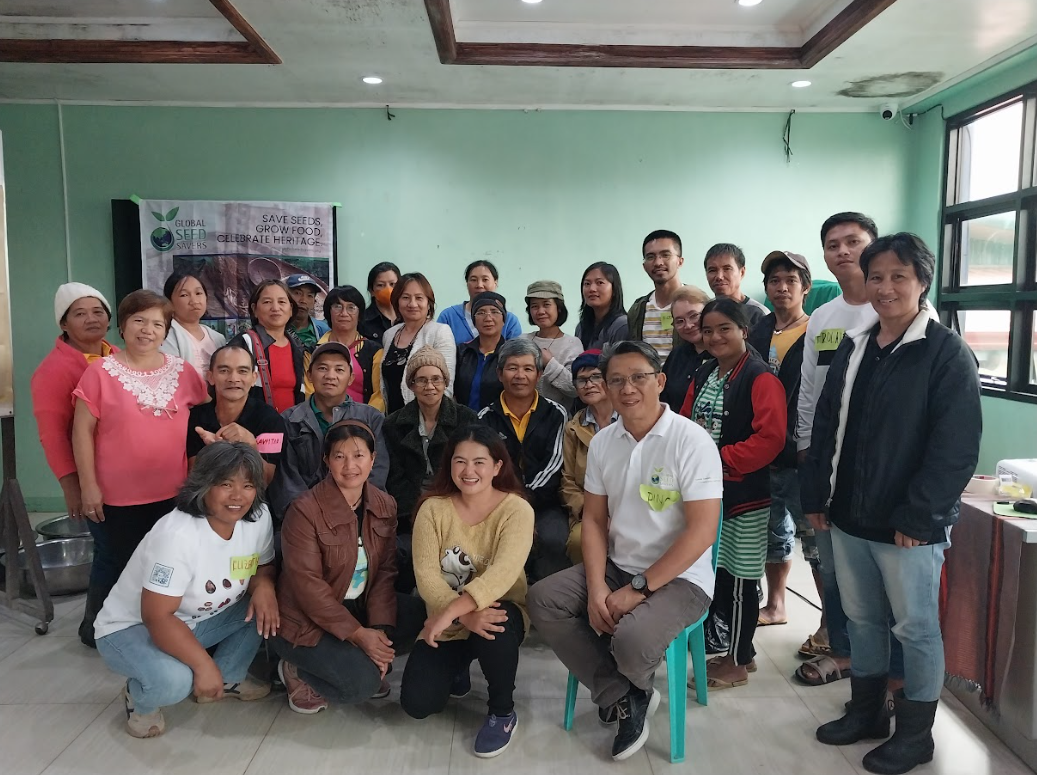
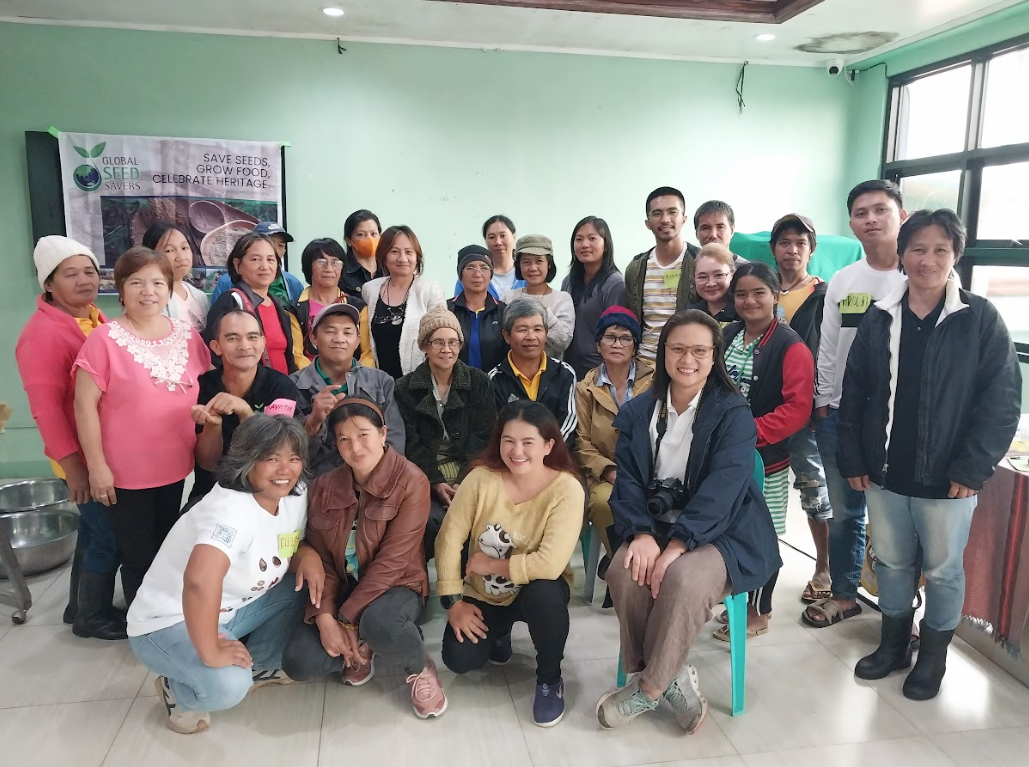
Throughout the year, Global Seed Savers Philippines enhanced community-based seed systems through Community Learning and Awareness on Seed Sovereignty (CLASS) sessions, seed sovereignty forums, seed schools, implementing our seed inventory and tracking system (SITS), and hosting various learning exchanges. These spaces went beyond just skills and tools; they served as platforms for connection, where farmer-trainer advocates and seed-saving communities learned from each other and grew together. Seed exchanges boosted diversity, while co-created knowledge platforms on seed care and soil health built confidence and community ownership.

Our Seed Sanctuaries in Bogo and Tublay continued to grow as living systems, demonstrating that resilient seed work can thrive across upland, rural, urban, and coastal communities. Seed library boxes proved both empowering and disaster-resilient, sustaining household seed saving even during earthquakes and successive typhoons, quiet yet powerful affirmations of locally grounded systems.

Partnerships also deepened and expanded in meaningful ways. From our first collaboration with a cooperative entity to strengthened engagement with LGUs, NGOs, and advocacy networks, 2025 showed that shared values lead to shared action. In moments of crisis, solidarity guided our response. Post-disaster cash assistance to affected communities was made possible with the support of Fastenaktion and local partners. We reaffirmed that seed sovereignty is inseparable from dignity, care, and survival, especially in times of uncertainty.

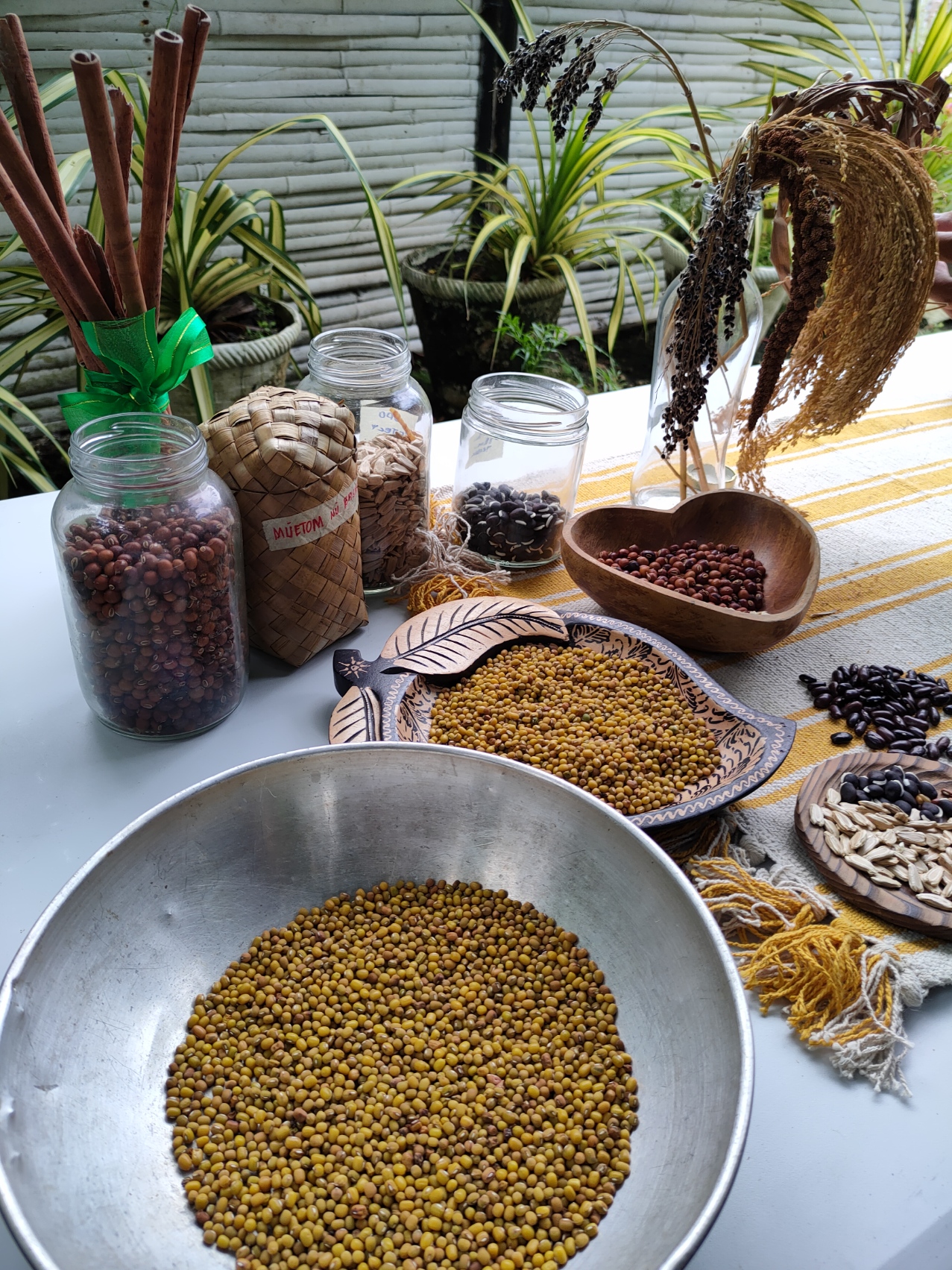
Perhaps most importantly, this year strengthened our organized seed saving communities. Farmers and partners became confident promoters of seed sovereignty, Indigenous knowledge and practices were affirmed, and awareness of seed rights deepened. Our collective efforts also clarified the distinct purposes of seed libraries, seed banks, and seed sanctuaries, bringing coherence to practice and direction to advocacy. This year also sees our first venture into publishing the first Seed Catalogue. Thanks to the Institute of Crop Science (ICROPS), our partner from the University of the Philippines in Los Banos, Laguna.

None of this would have been possible without the dedication of the GSSP team. Of course, gratitude goes to our benefactors and donors like Conservation Food and Health Foundation, The Bawa N. Mallick Foundation, Fastenaktion, Naturland, and VHC, and all supporters across our global ecosystem. As we move forward, we carry the lessons of 2025: transformation takes time, seeds grow best when nurtured together, and sovereignty begins at the community level. This year, we did something powerful. We proved that seed sovereignty is not just an idea; it’s a lived practice. 

Thank you for journeying with us.


Hal Atienza
Executive Director
Global Seed Savers Philippines

Distribution of Household Seed Libraries in Tublay

Distribution of Household Seed Libraries in Tublay

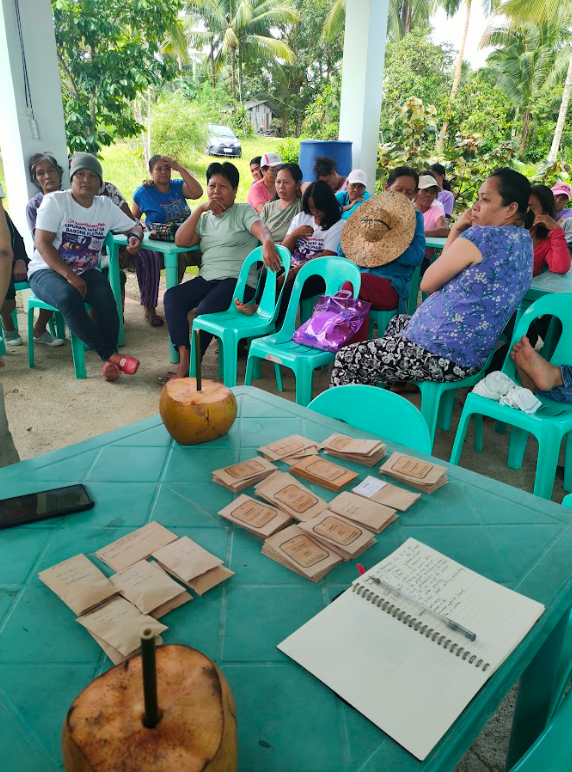
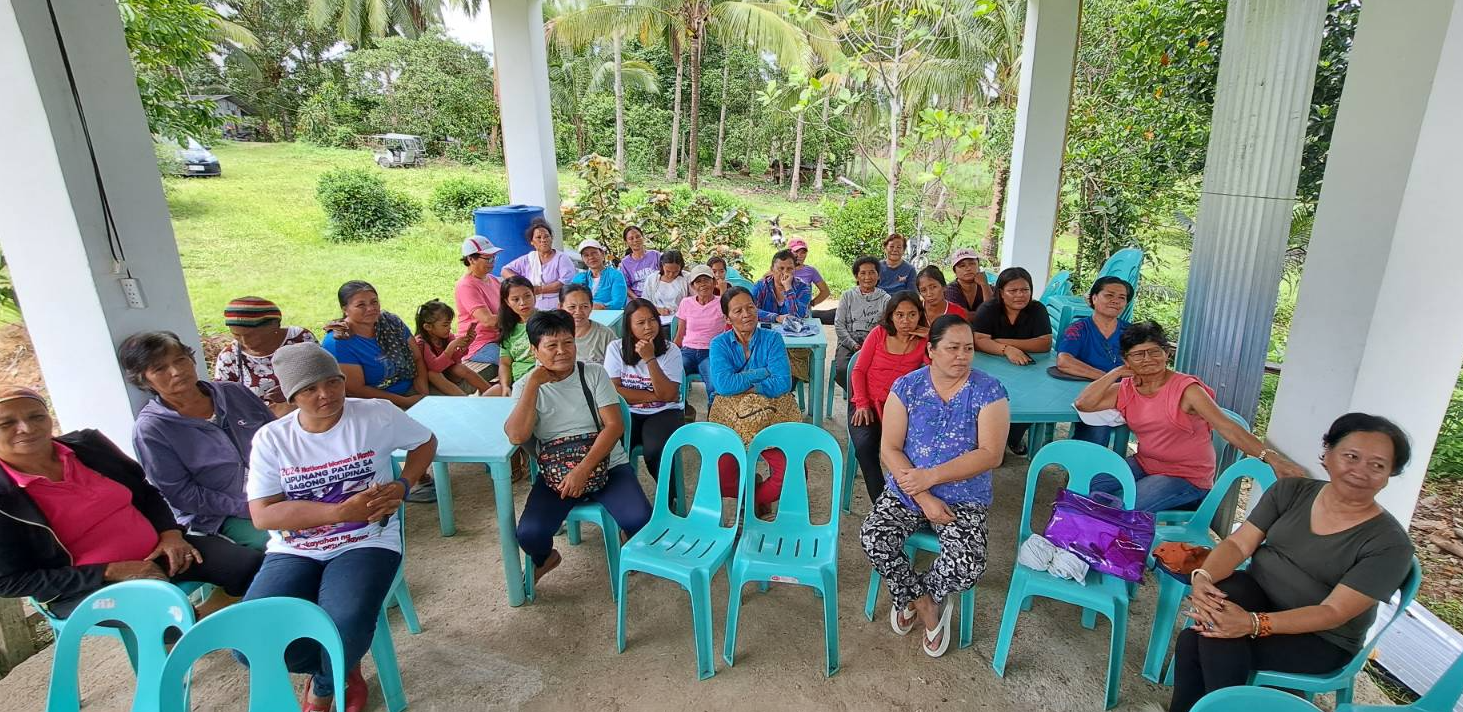
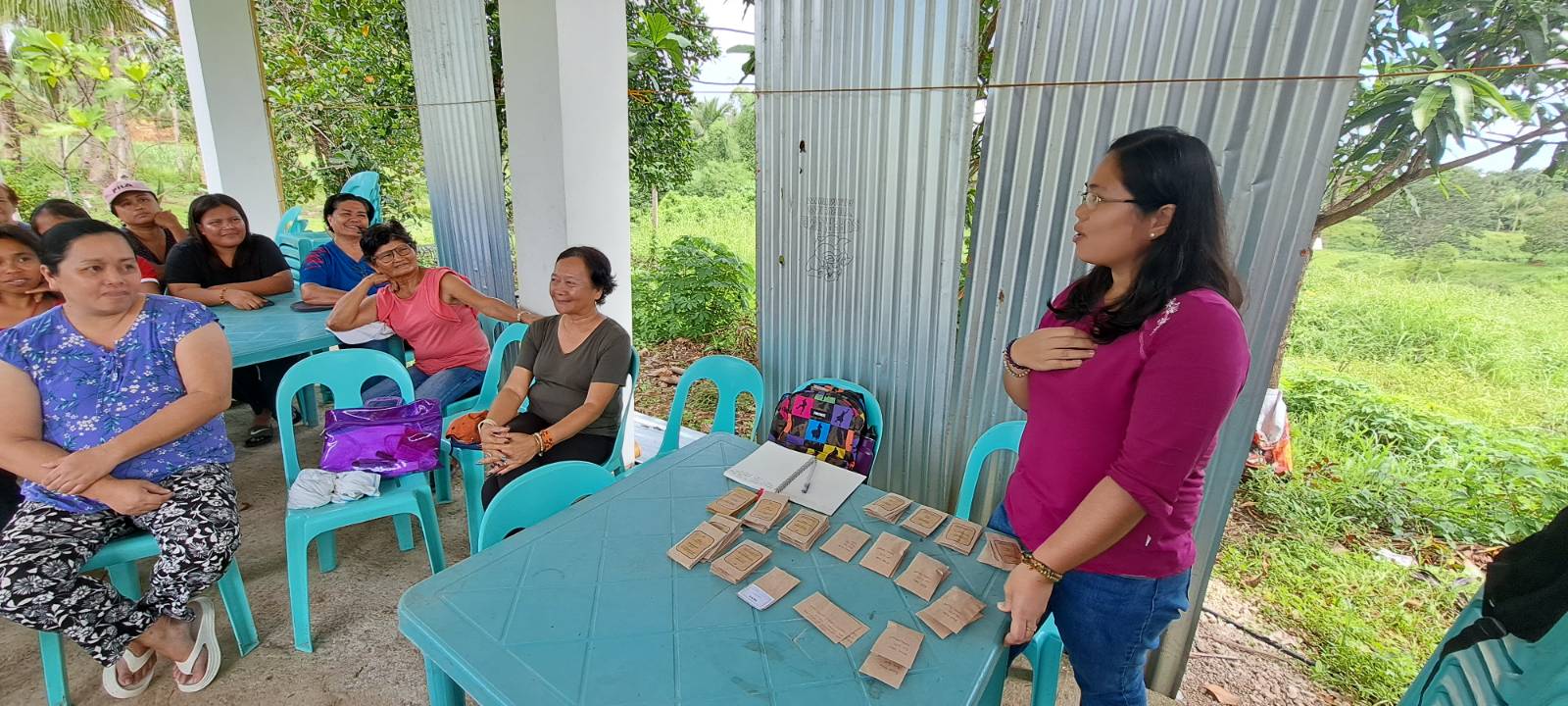
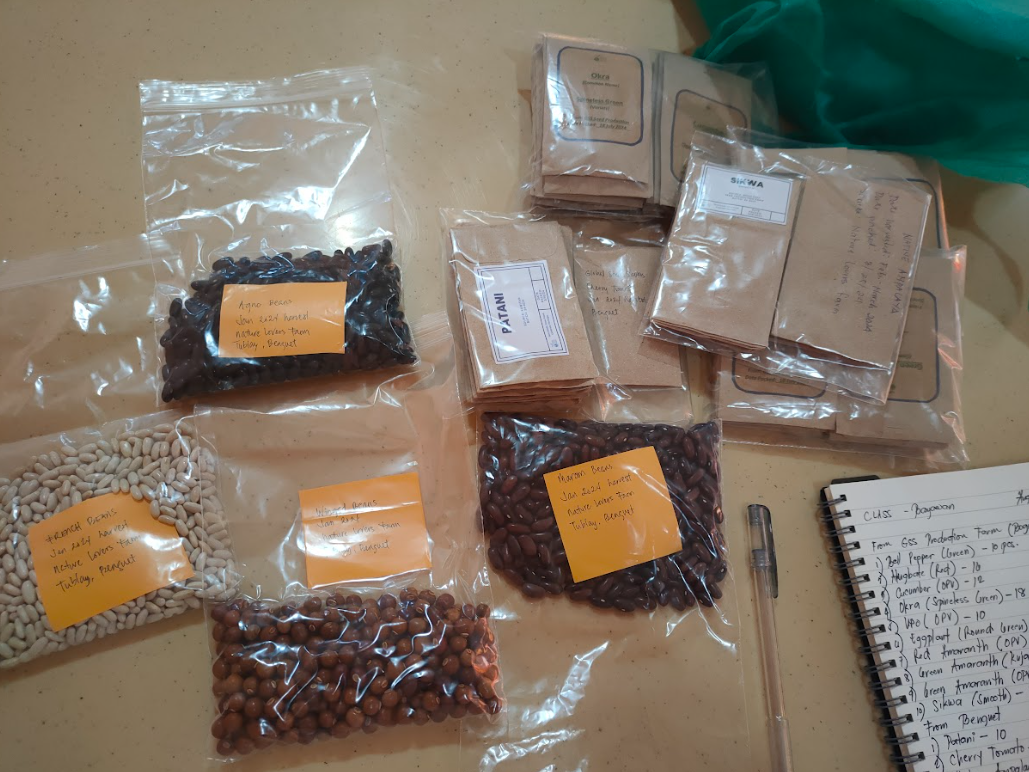
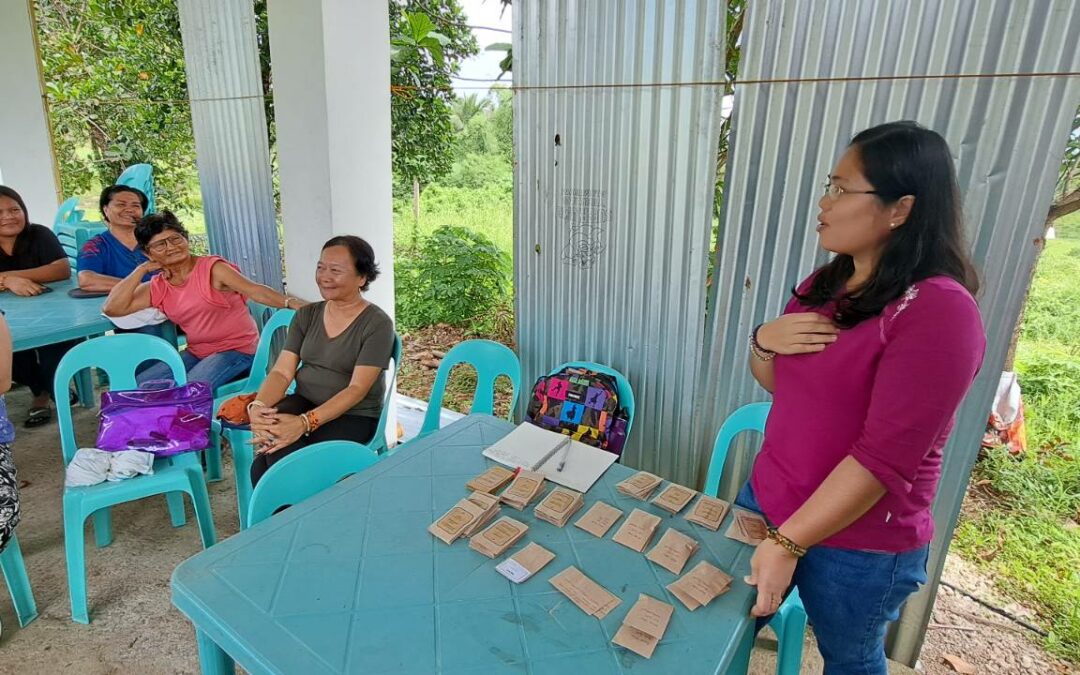
Global Seed Savers, in partnership with Benguet Association of Seed Savers (BASS), recently distributed Seed Library Boxes, Household Seed Registers, and Seed Inventory Record Books to members in Tublay, Benguet. This initiative ensures that farming households can systematically document the seeds they grow and save, strengthening collective knowledge and local biodiversity.

During the orientation, participants learned how to use the Household Seed Register to record the different varieties they are cultivating, while the Seed Inventory Logbook provided a clear system for tracking entries, including suggested improvements like adding planting dates for easier reference. These tools not only support individual households but also contribute to building a shared community record of seeds, which is a vital resource for seed sovereignty.

Most participants received their seed boxes and logbooks, with arrangements made to ensure those who couldn’t attend would also benefit. With these resources, BASS members are better equipped to sustain seed libraries within their communities, fostering resilience and reducing dependence on external seed sources.

Community Learning and Awareness on Seed Sovereignty in Bakun

Community Learning and Awareness on Seed Sovereignty in Bakun

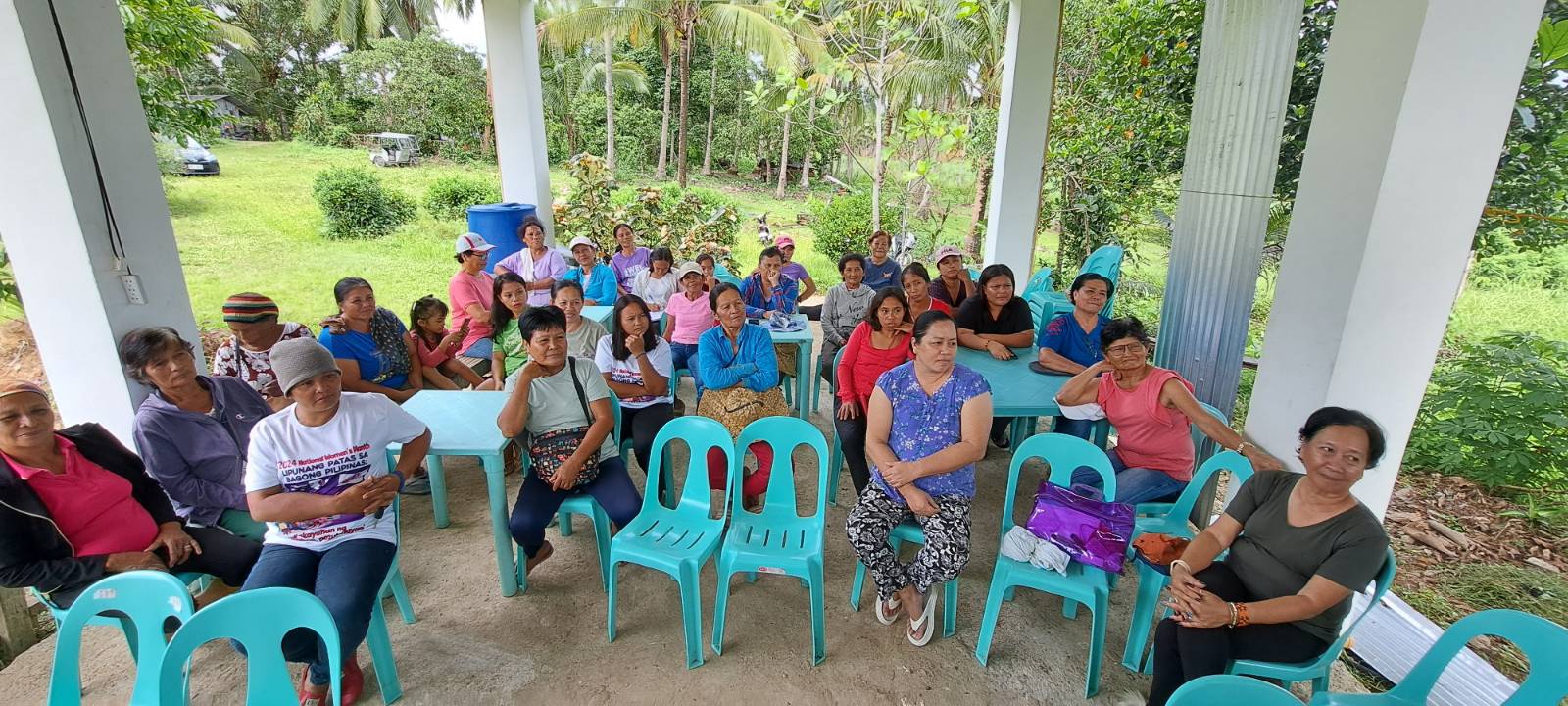
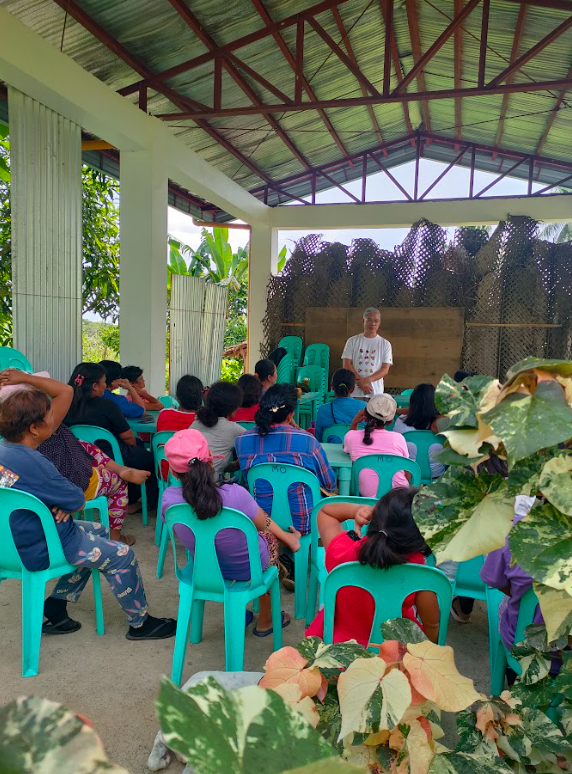
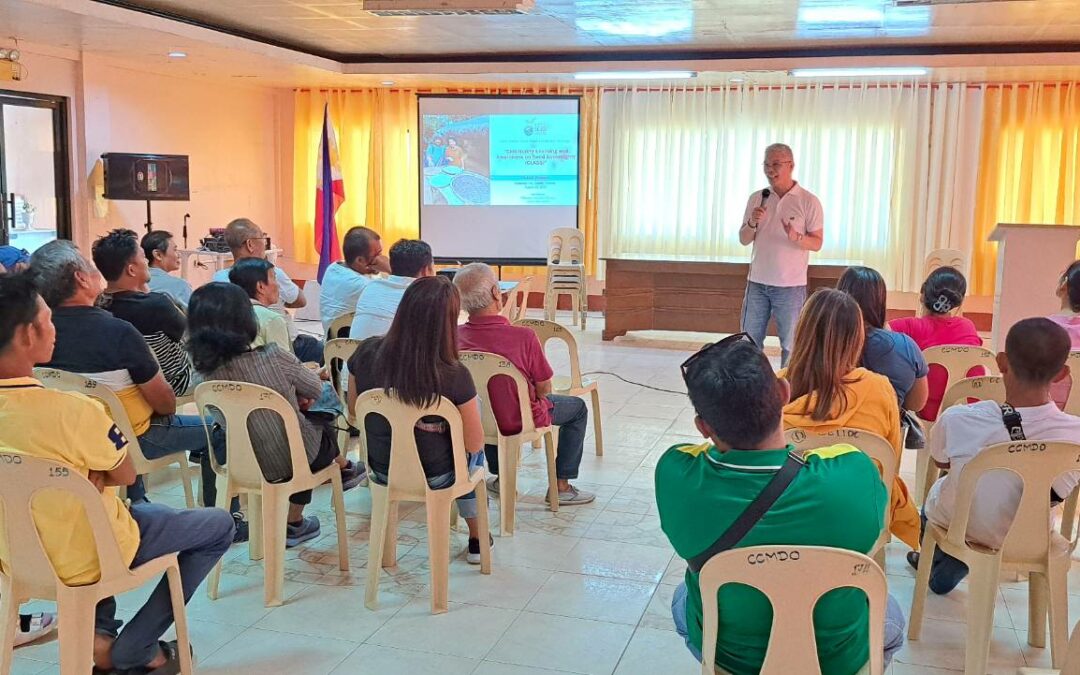
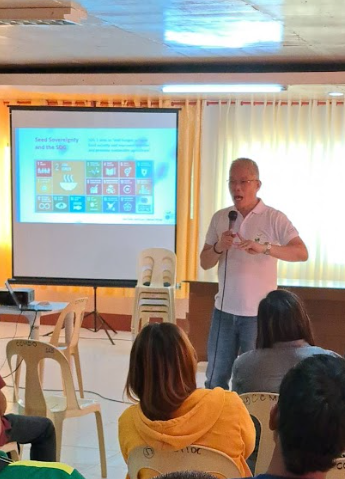
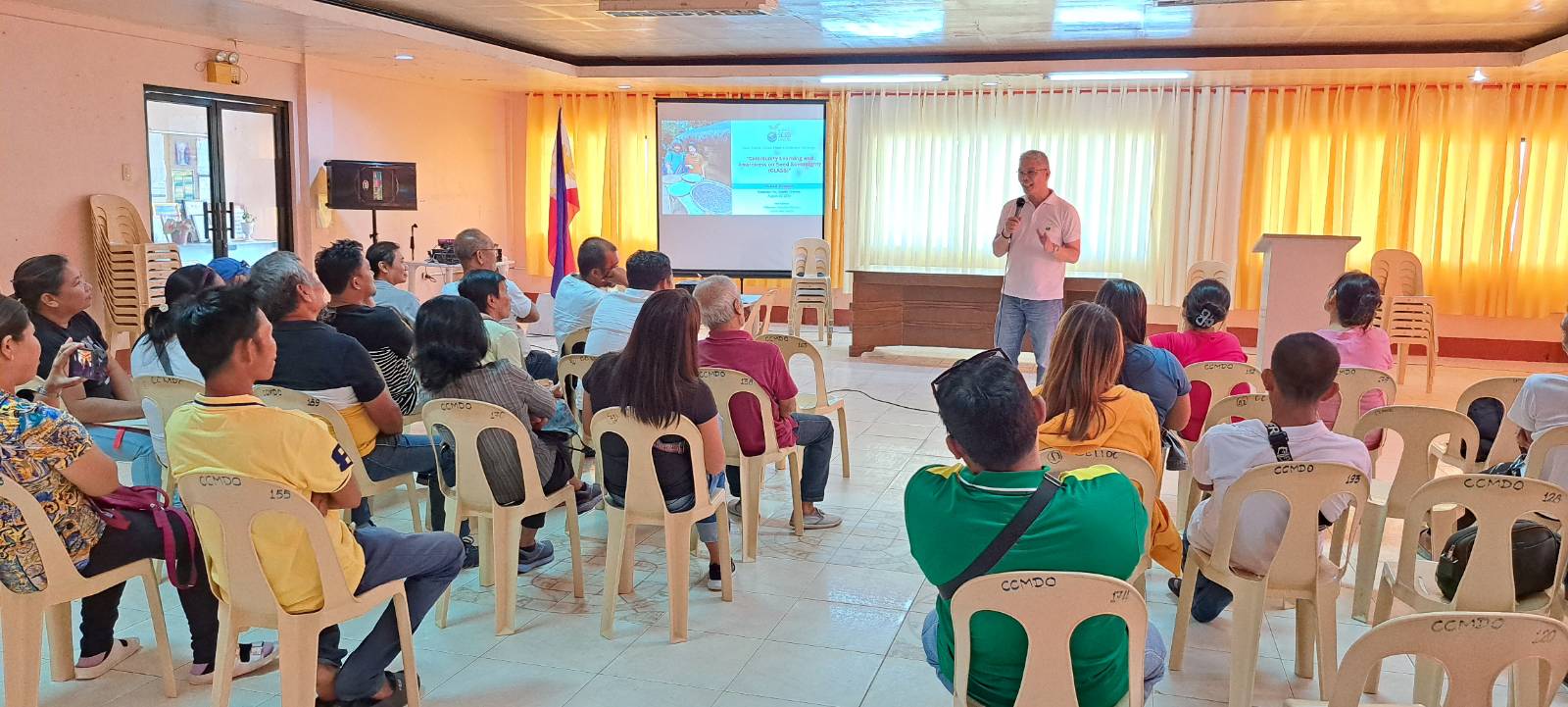
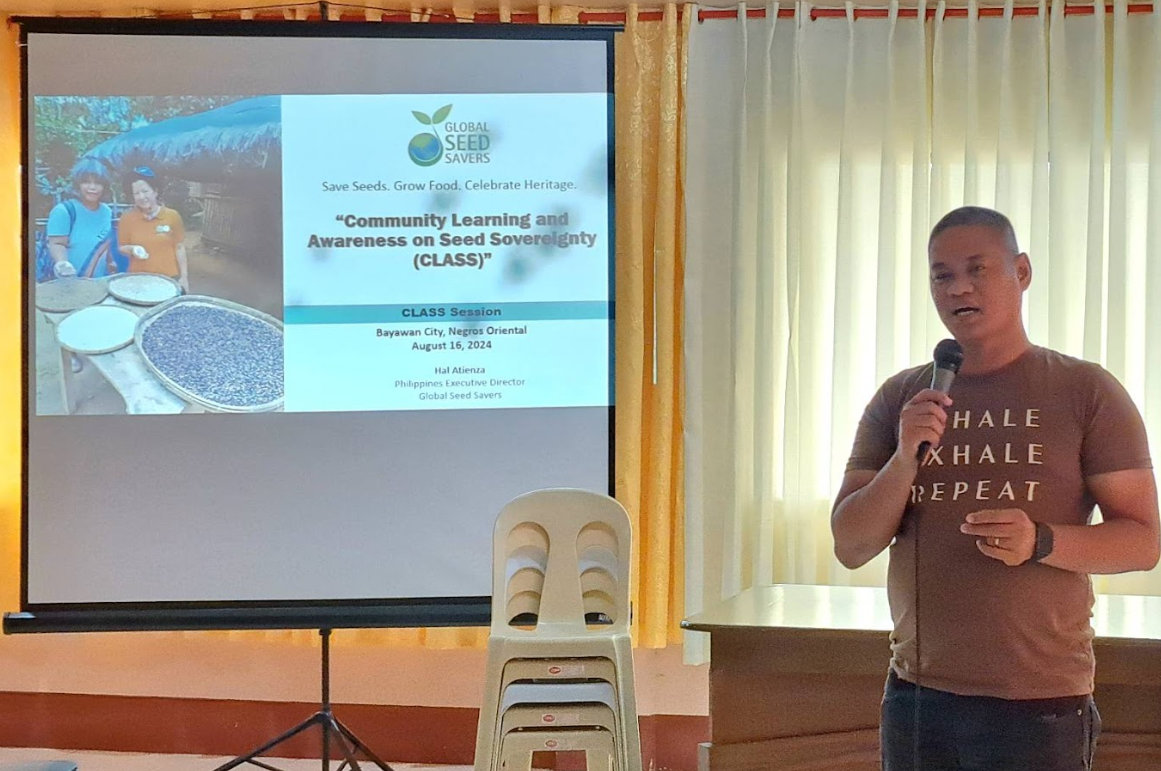
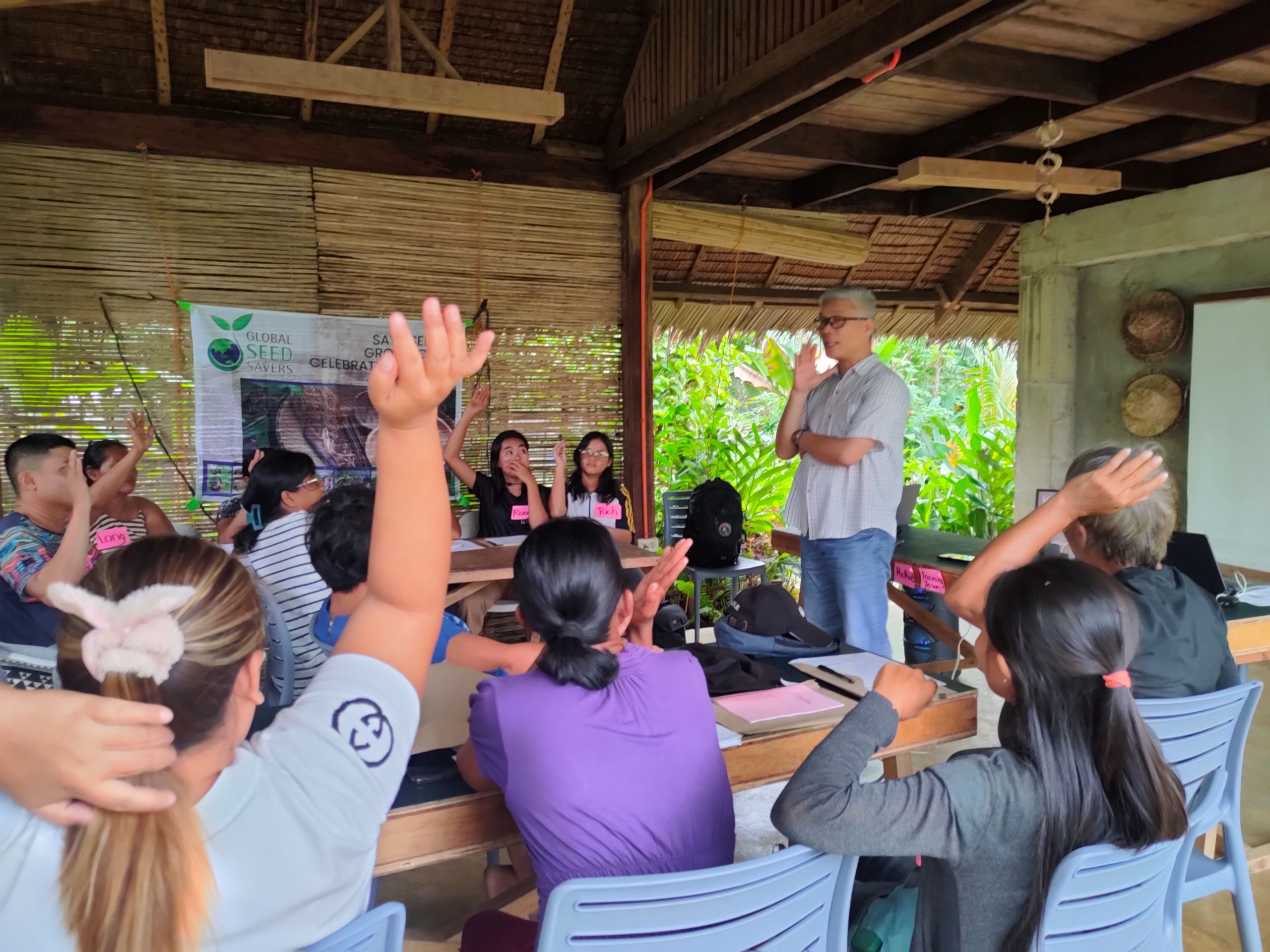
Global Seed Savers, in partnership with RECCORD, recently held a Community Learning and Awareness on Seed Sovereignty (CLASS) session in Brgy. Longboy, Bakun, Benguet. This gathering aimed to introduce seed sovereignty to partner communities, highlight the importance of saving seeds, and invite participants to take part in future Global Seed Savers’ programs.

For many in Bakun, the realities of climate change are felt deeply. Typhoons and droughts have devastated farms, leaving households reliant on government support or commercial seed stores for their planting needs. During the session, participants reflected on this vulnerability and voiced a strong desire to reclaim their independence by saving their own seeds. They also recognized the need to return to natural farming practices, which include methods once taught by their ancestors, as a way to build resilience and restore balance to their land.

By the end of the session, participants committed to undergoing further training and pledged to dedicate 50 square meters of their own farm lots to seed saving. This marks an important step in organizing a local seed-saving community. Together with RECCORD, Global Seed Savers will conduct a Seed School 1 in October, laying the groundwork for sustained learning and collective action toward food and seed sovereignty across the Philippines.

Strengthening Seed Knowledge through Seed School 1

Strengthening Seed Knowledge through Seed School 1

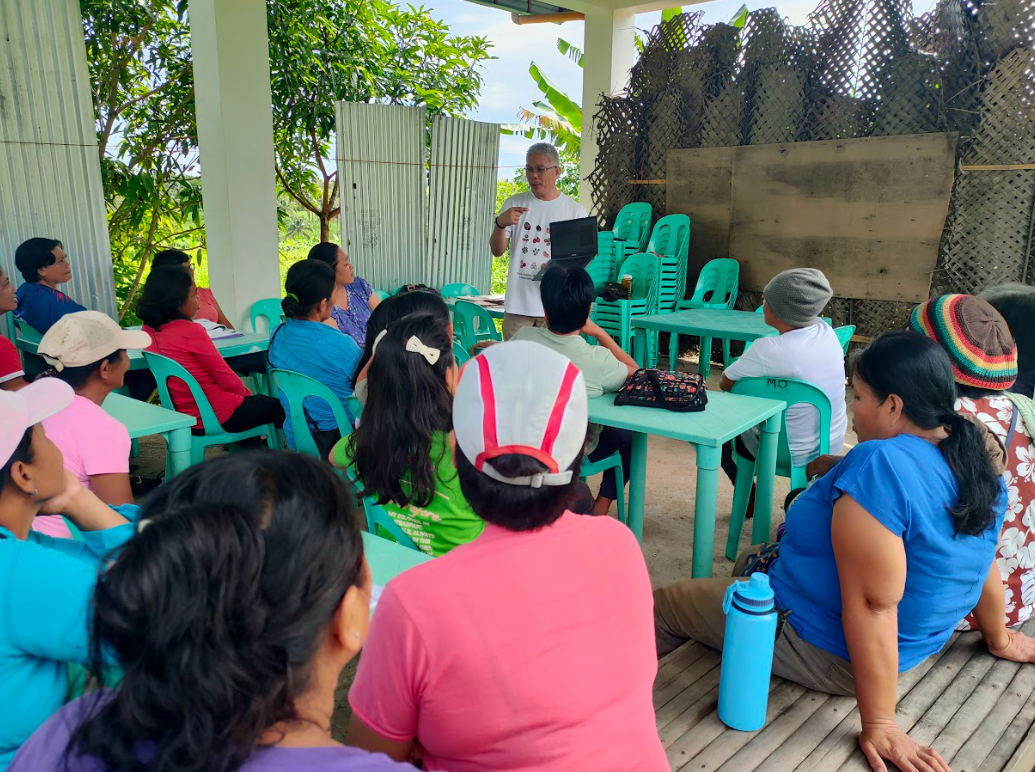
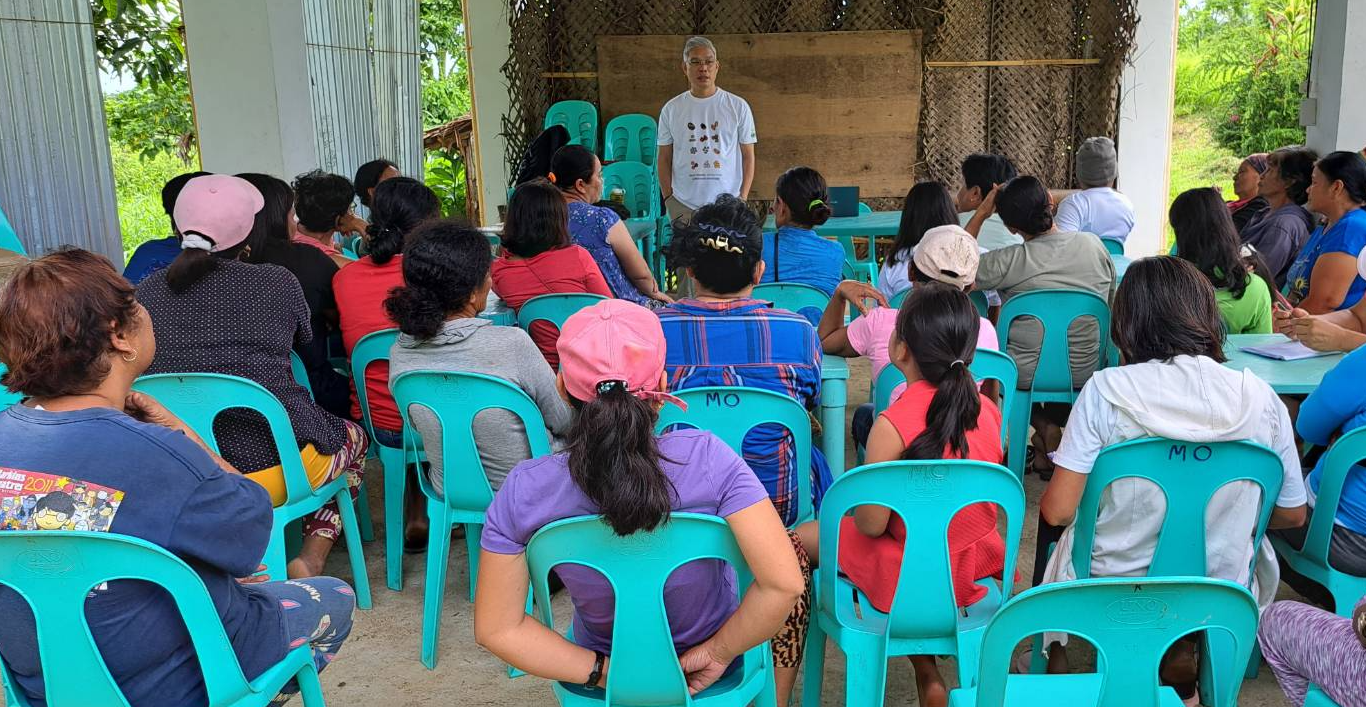
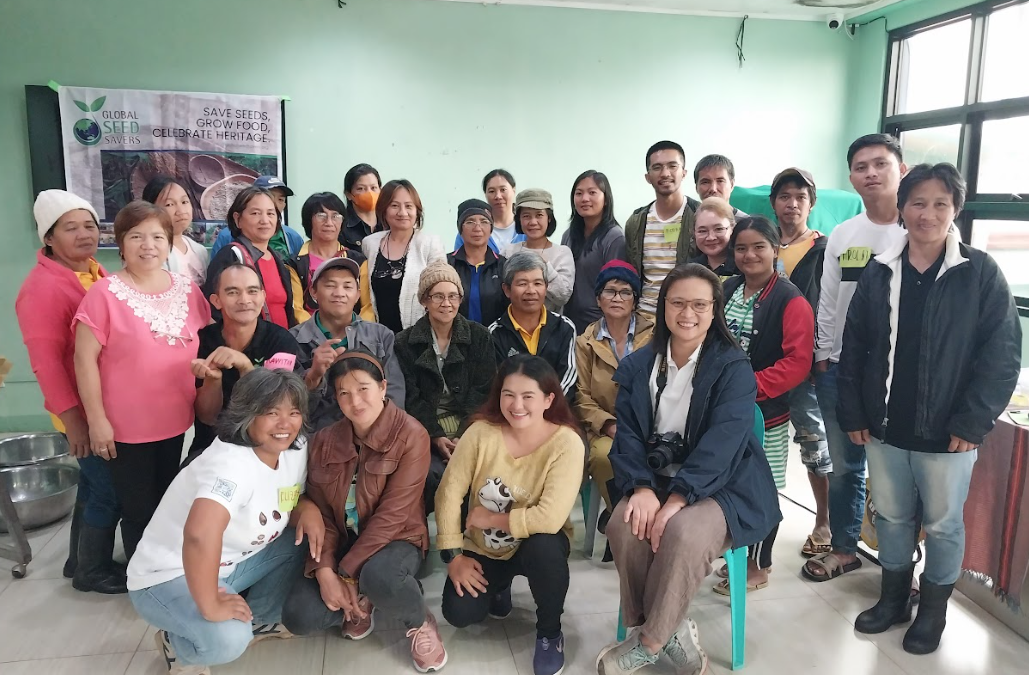
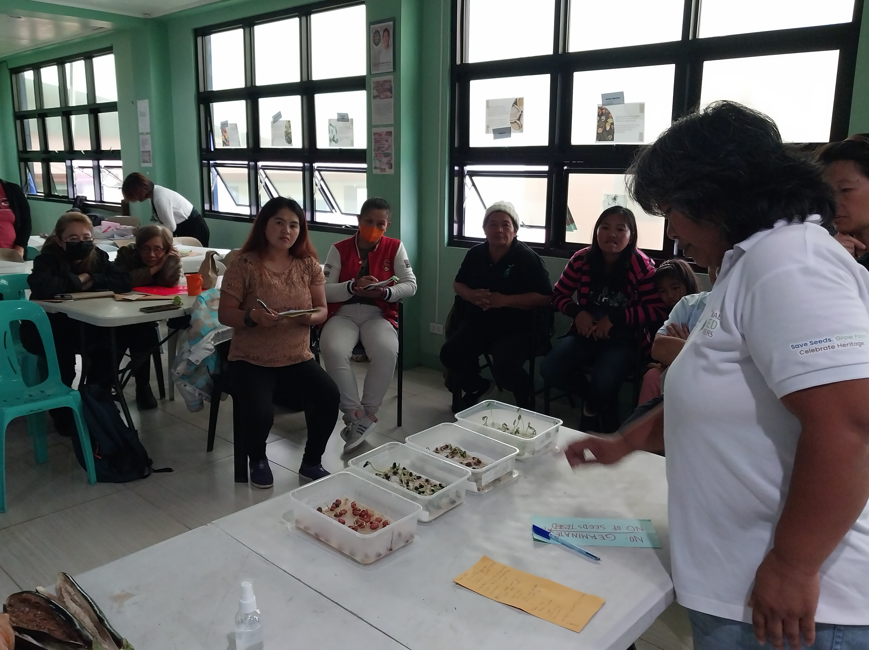
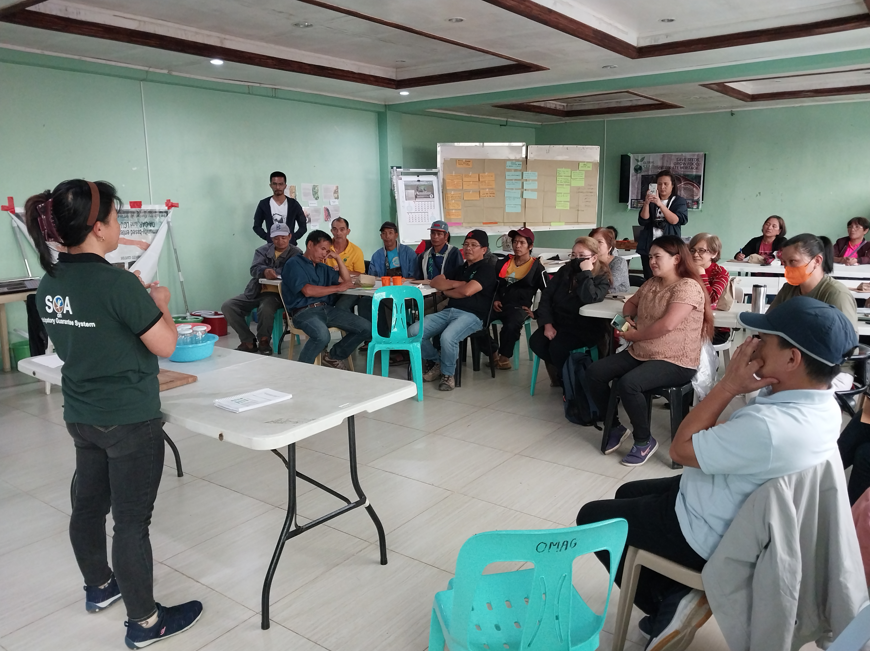
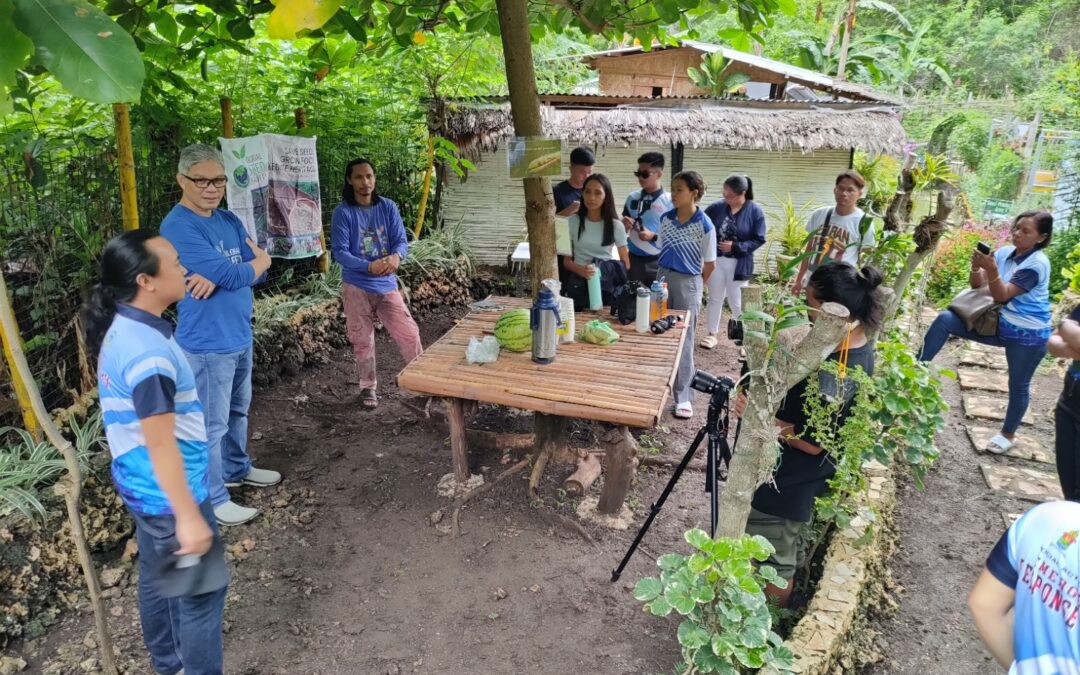
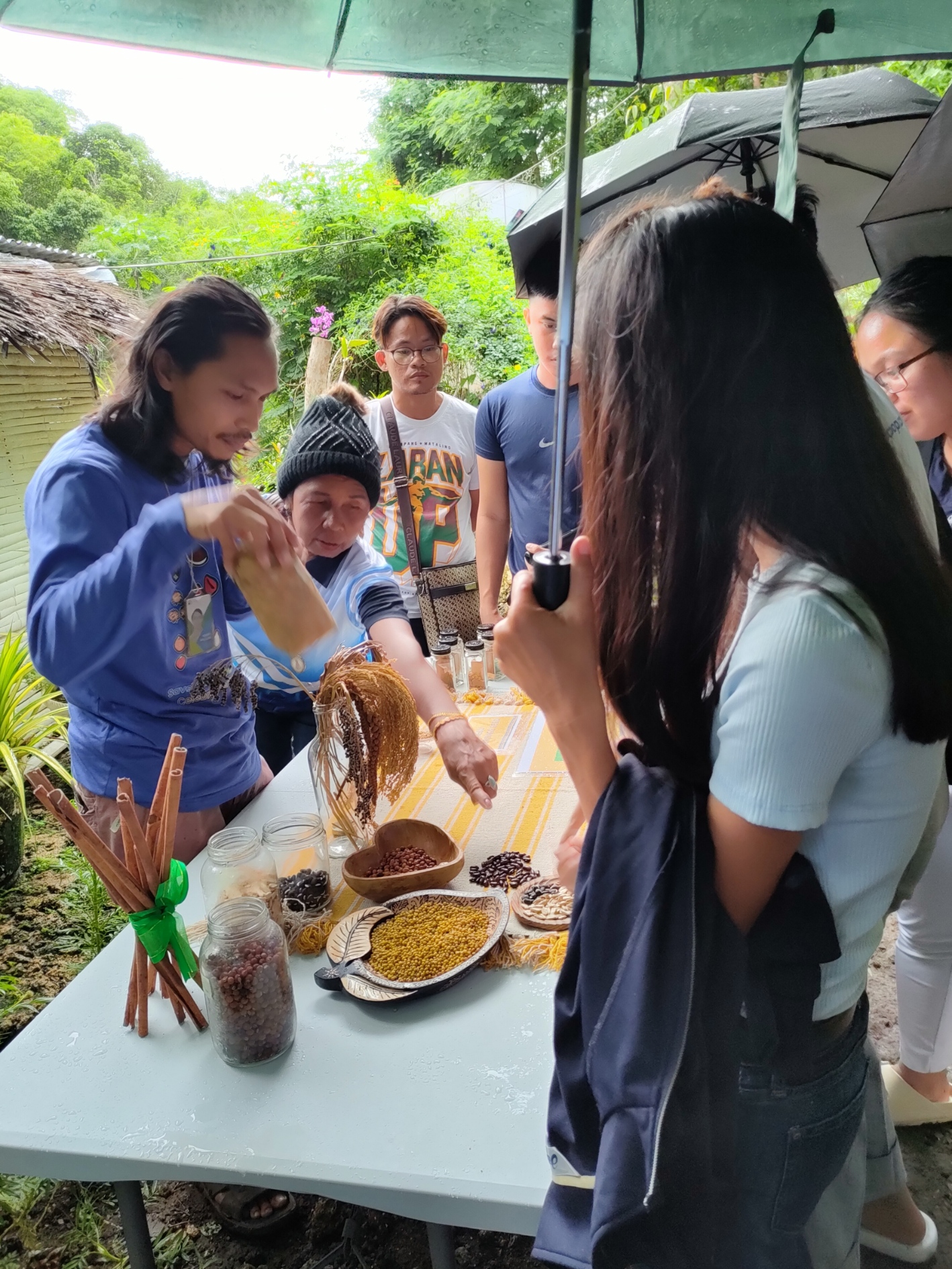
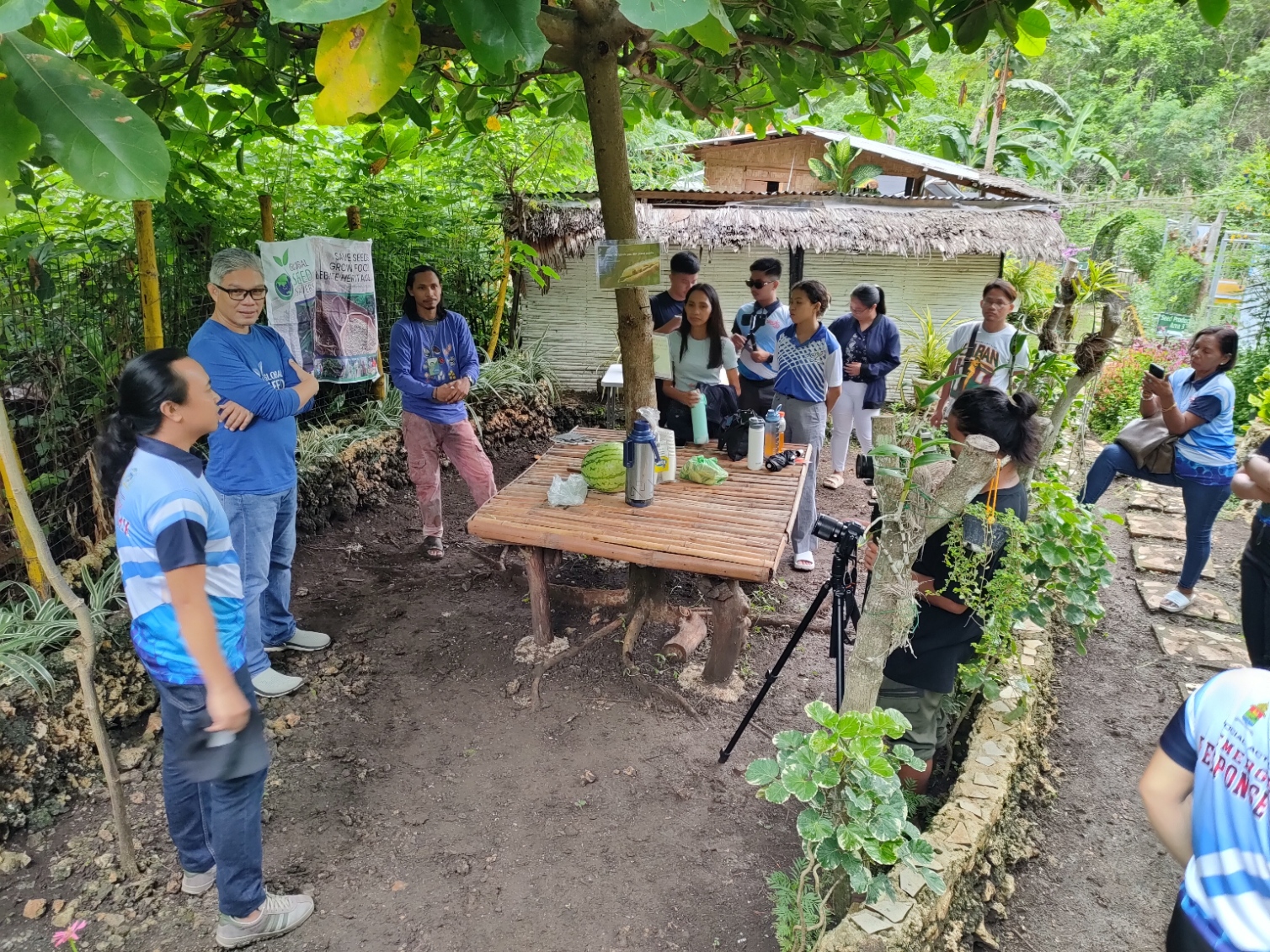
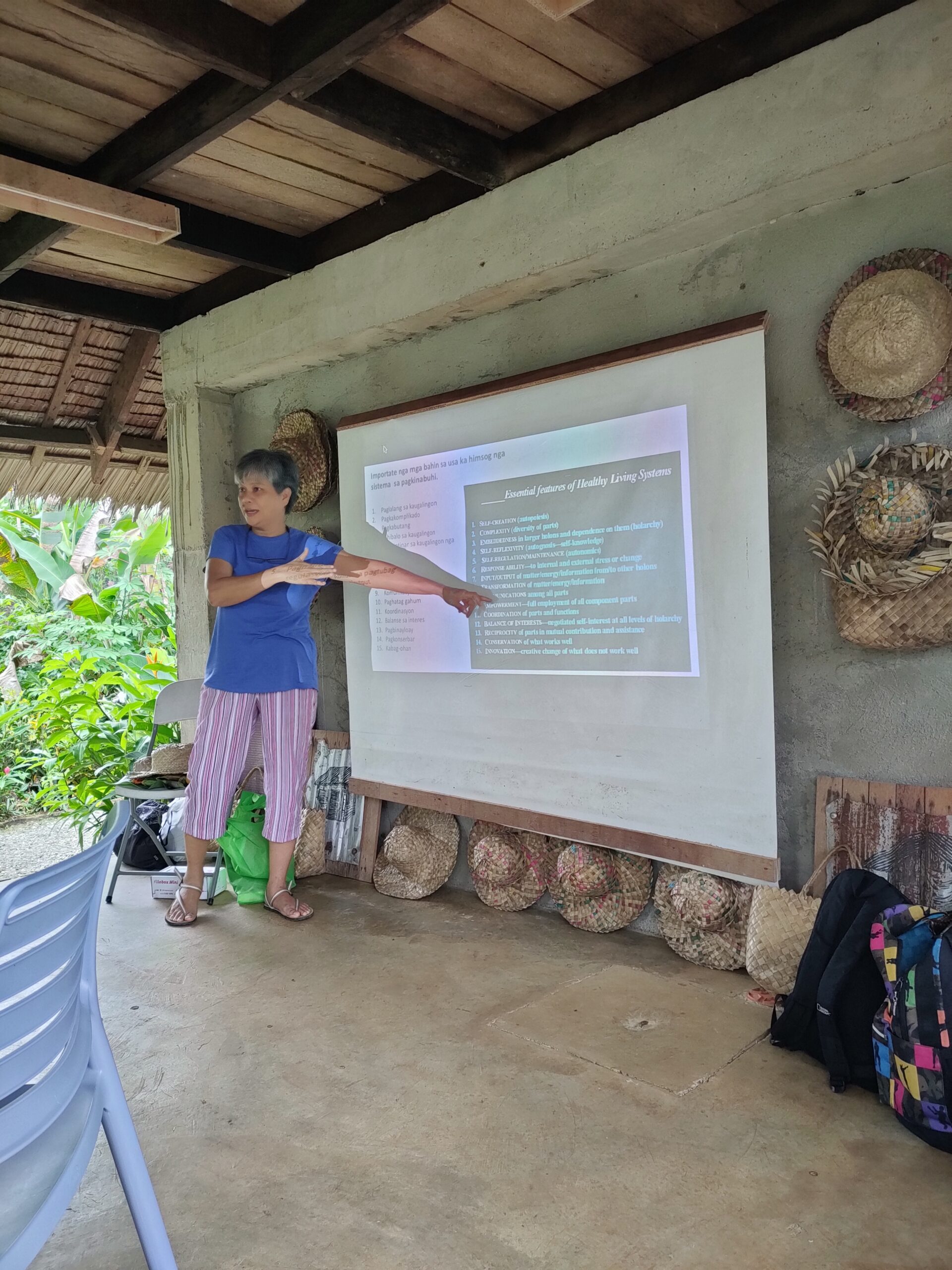
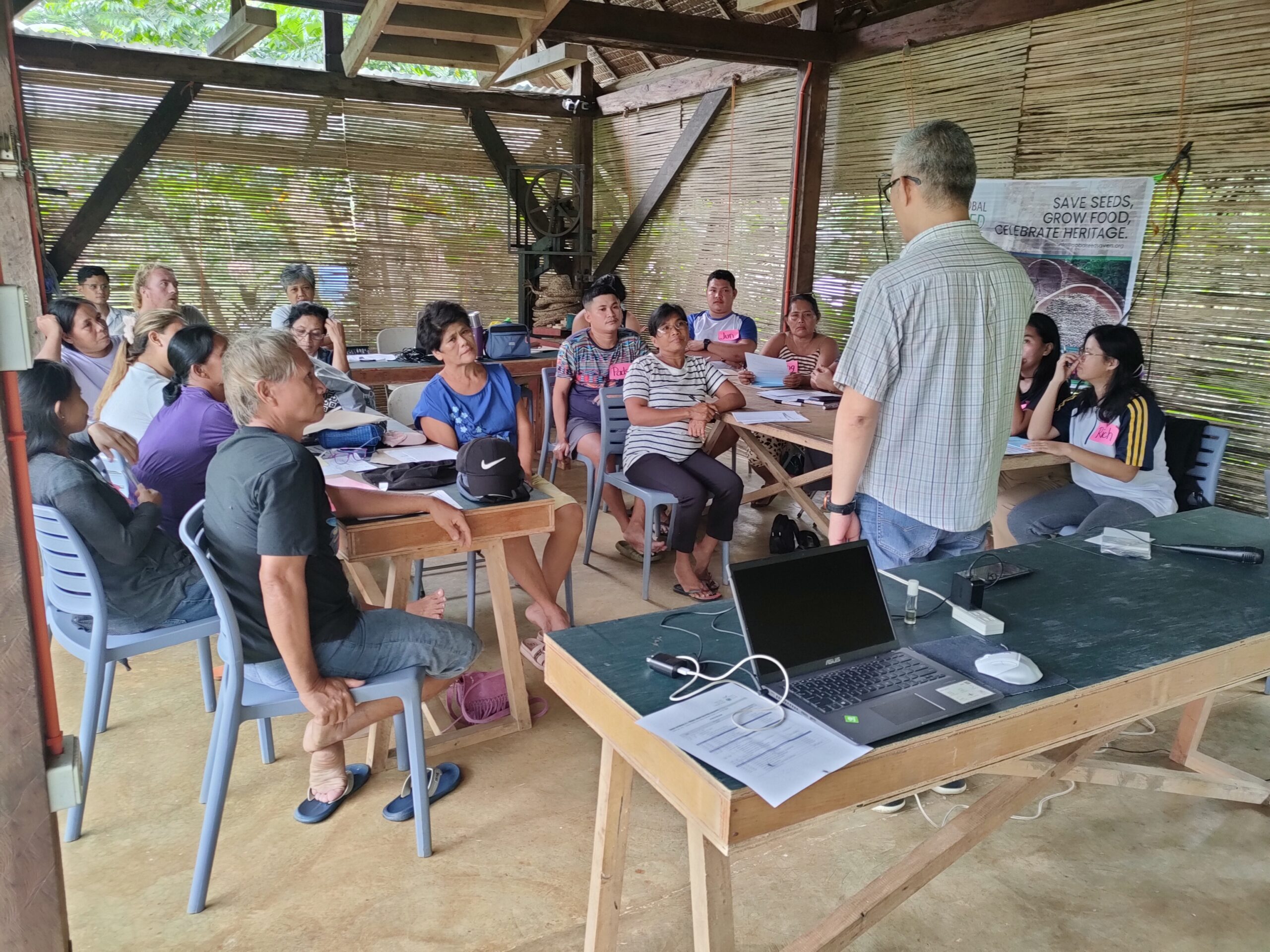
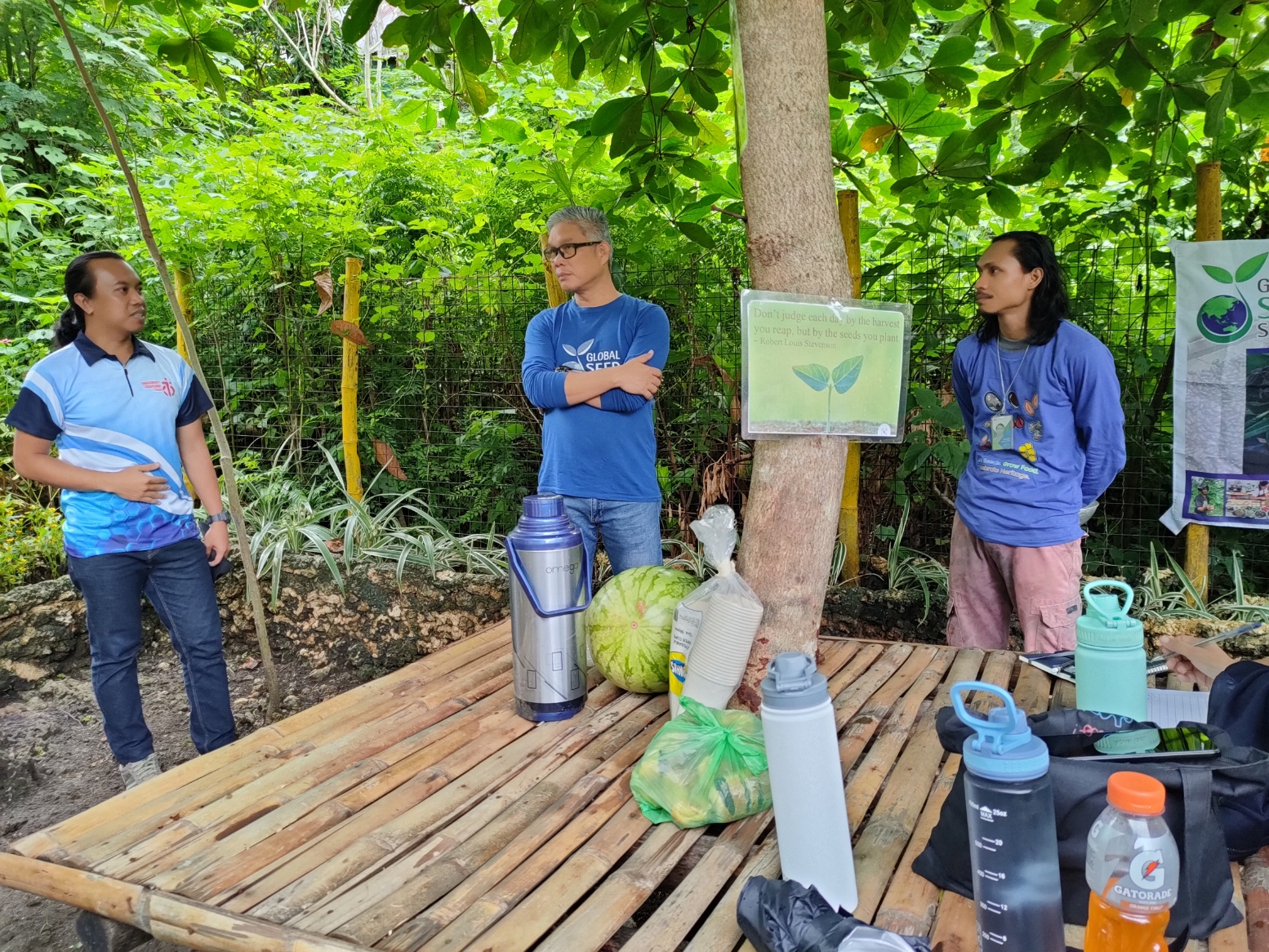
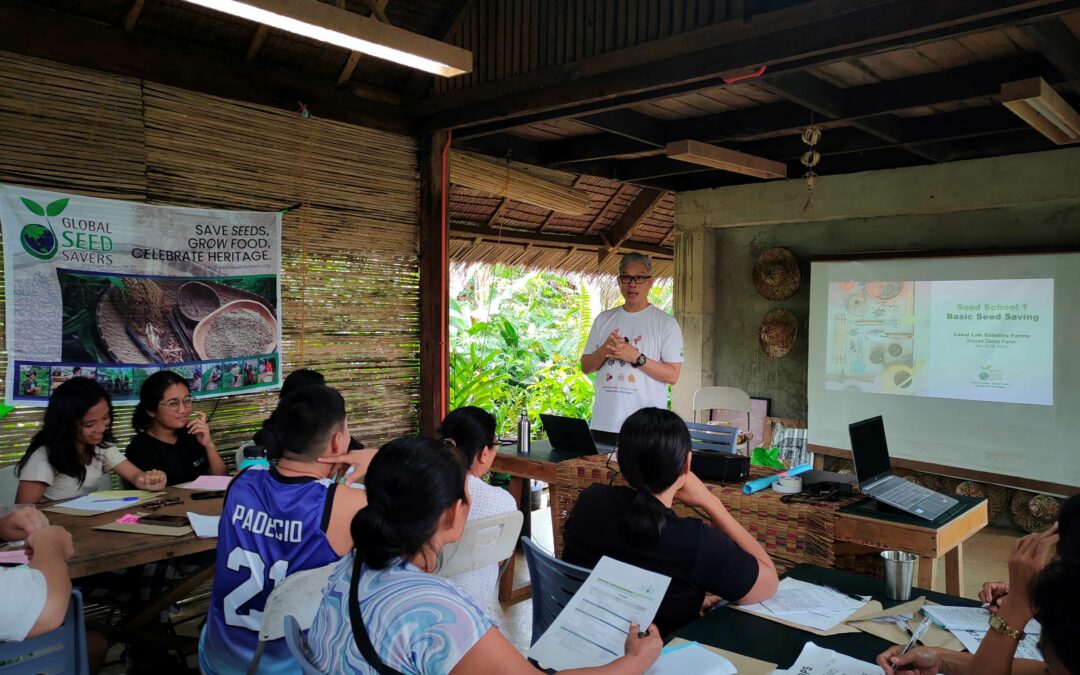
Global Seed Savers recently held a Seed School 1: Basic Seed Saving Course with partners from Partners for Indigenous Knowledge (PIKP) partner communities at the Maryknoll Ecological Sanctuary. This two-day training brought farmers and community members together to deepen their knowledge of seed saving, explore practical methods, and commit to building a stronger foundation for local food security.

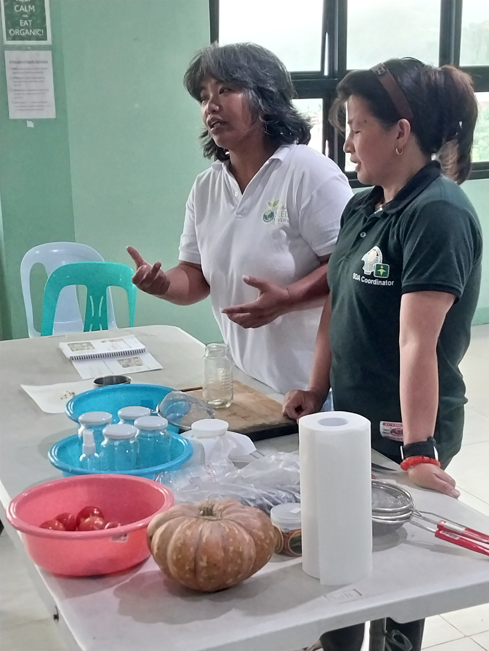
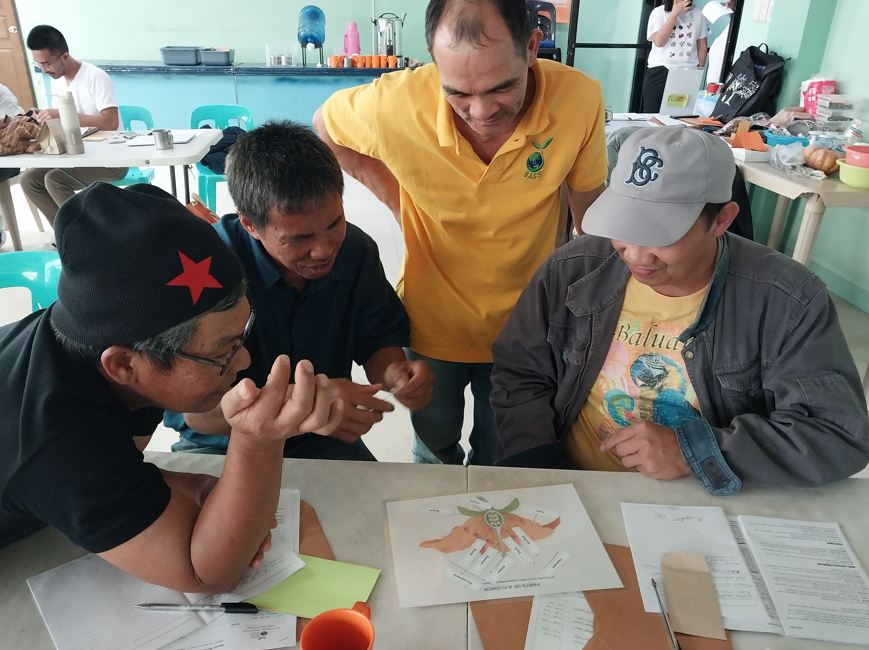
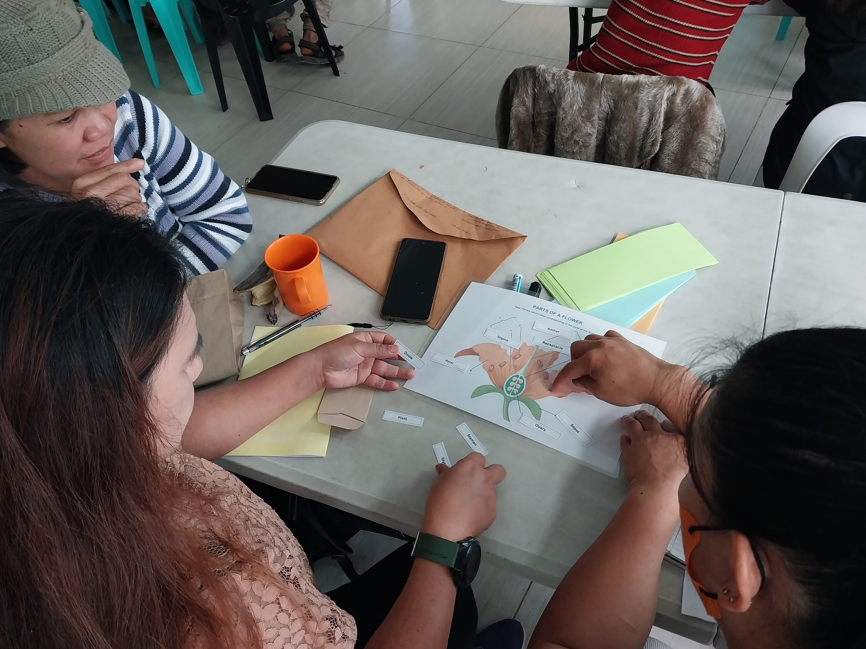
Participants began by sharing what they hoped to learn such as when to harvest seeds, how to preserve them, and how to plant them correctly as well as what experiences they could contribute to the group. These exchanges created a collective learning environment where knowledge flowed both ways, setting the stage for an engaging series of discussions and hands-on activities. Through the Seed School Modules 1 and 2, participants explored the power of seeds, their anatomy, and the basics of storage and quality control. 
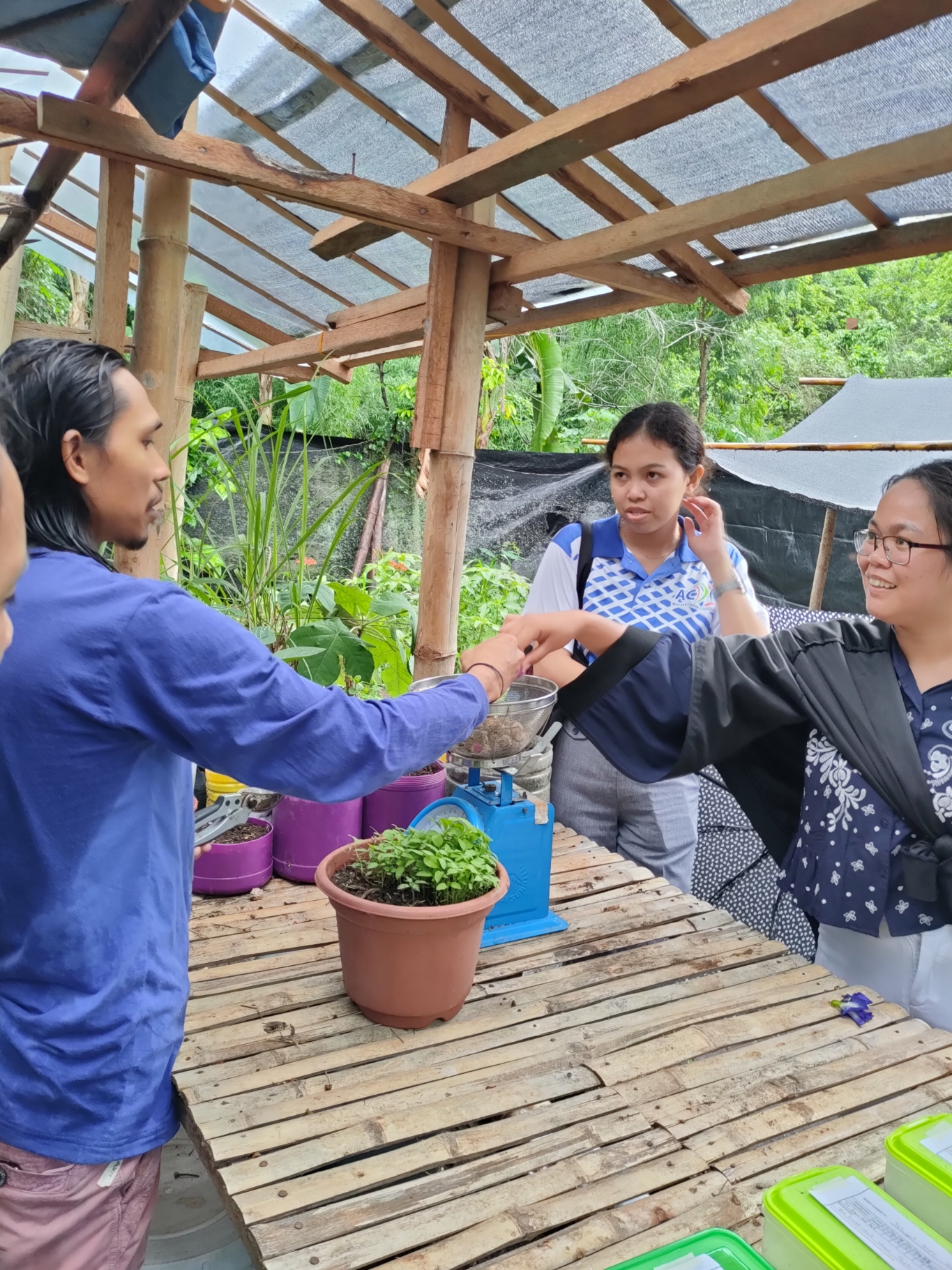
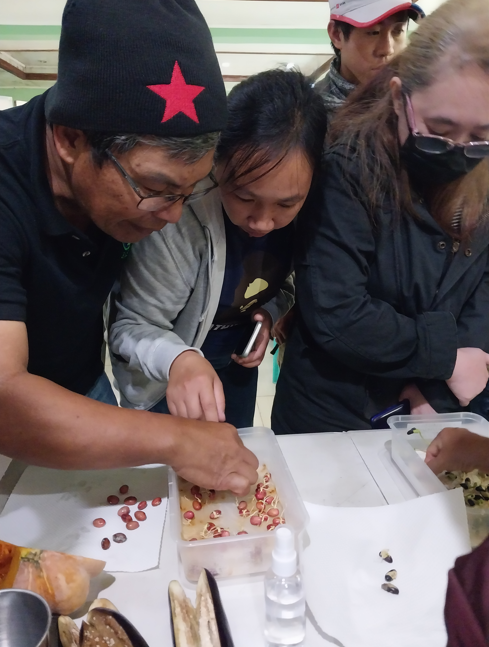
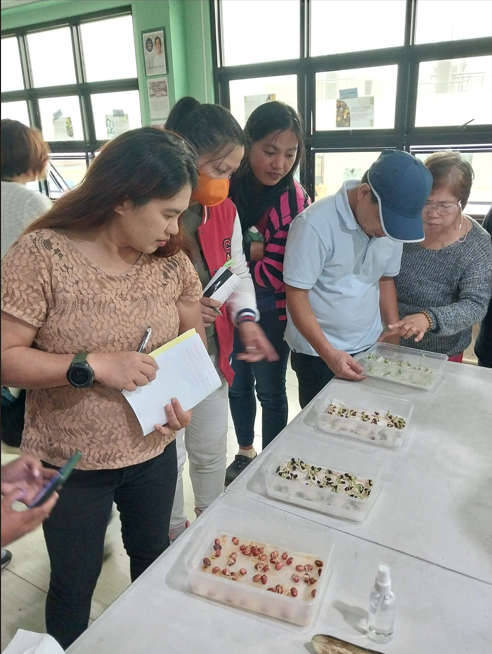
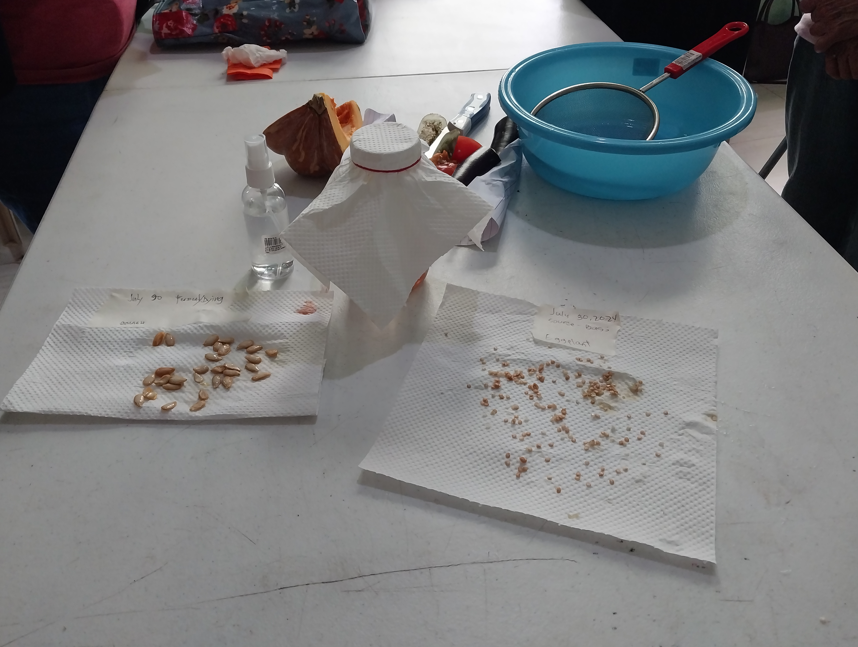
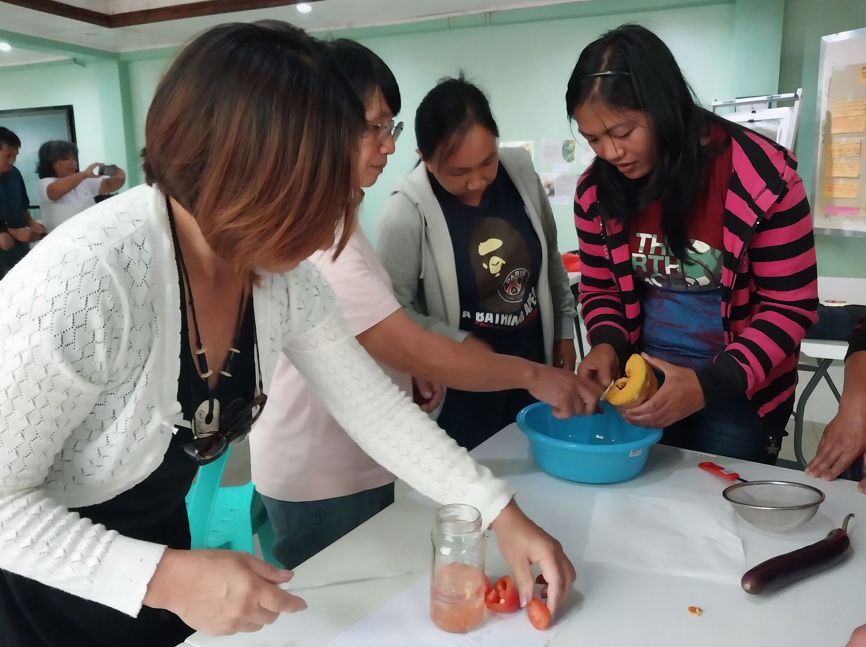
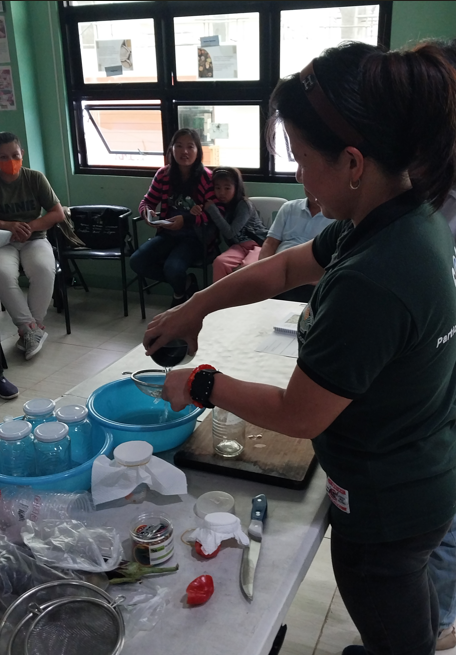
The training emphasized practical experience. Participants learned wet and dry methods of seed processing, practiced germination testing, and tried cleaning and sorting for seed purity. They also identified local crops to prioritize for saving including bugnay, kale, eggplant, sampalok, mulberry, and Bontoc tea. By the end of the workshop, participants formally organized themselves into the Baeng Seed Savers (BSS), a new community-led Seed Saving Community composed of several local associations and individual farmers. This marks an important step toward reclaiming seed diversity, reducing reliance on agri-supply seeds, and ensuring that future harvests are rooted in farmer-managed, locally adapted varieties.
Expanding Partnerships for Seed Sovereignty Across the Philippines

Expanding Partnerships for Seed Sovereignty Across the Philippines

Global Seed Savers has been strengthening its reach through a series of recent Seed Sovereignty Forums that brought together farmer cooperatives, local government partners, and community members to build a shared vision for resilient food systems.

In Toledo City, Cebu, Global Seed Savers partnered with the First Consolidated Cooperative Along Tañon Seaboards (FCCT) to host a forum with both members and staff. The conversation highlighted a critical challenge: while FCCT already produces organic fertilizers, they remain dependent on external seed sources. As Mam Clavel shared during the forum, combining both organic fertilizers and farmer-managed seeds will allow FCCT and its members to become truly sustainable. This partnership also opens the door for FCCT to supply organic seeds, supported by their member demo farms.

In Negros Oriental, Global Seed Savers facilitated another Community-Led Seed Sovereignty Forum with strong community engagement. The event emphasized that seed sovereignty is not only about saving seeds, but also about supporting farmers to reclaim control of their food system.

Meanwhile, in Moises Padilla, Negros Occidental, Global Seed Savers partnered with World Vision and the Municipal Agriculture Office to conduct a second batch of the forum. With over 30 participants confirmed for an upcoming Seed School 1 this October, enthusiasm is growing. Local government representatives also expressed interest in formalizing seed banking initiatives and exploring ordinances to support both organic farming and seed sovereignty. While challenges remain, such as limited staffing capacity, the commitment to appoint a focal person on seed saving signals a strong step forward.
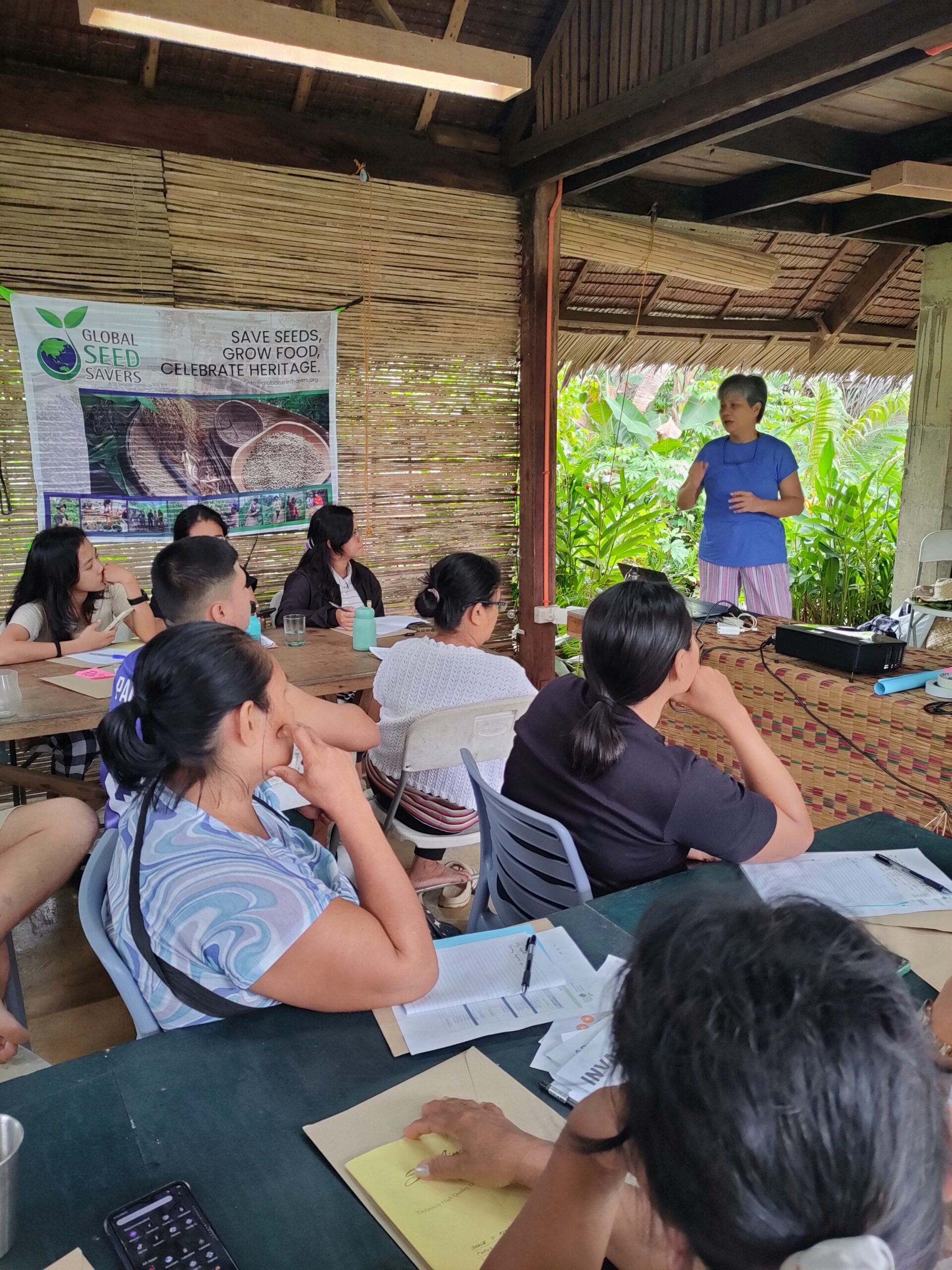
These forums show the growing momentum of seed sovereignty across regions in the Philippines. Each partnership brings unique strengths: cooperatives with established organic practices, LGUs with policy-making influence, and farmers eager to learn and lead. What brings them together is the shared understanding that access to seeds is foundational to resilience, sustainability, and food security.