Seed School 3: Training of Trainers in Baguio

Seed School 3: Training of Trainers in Baguio

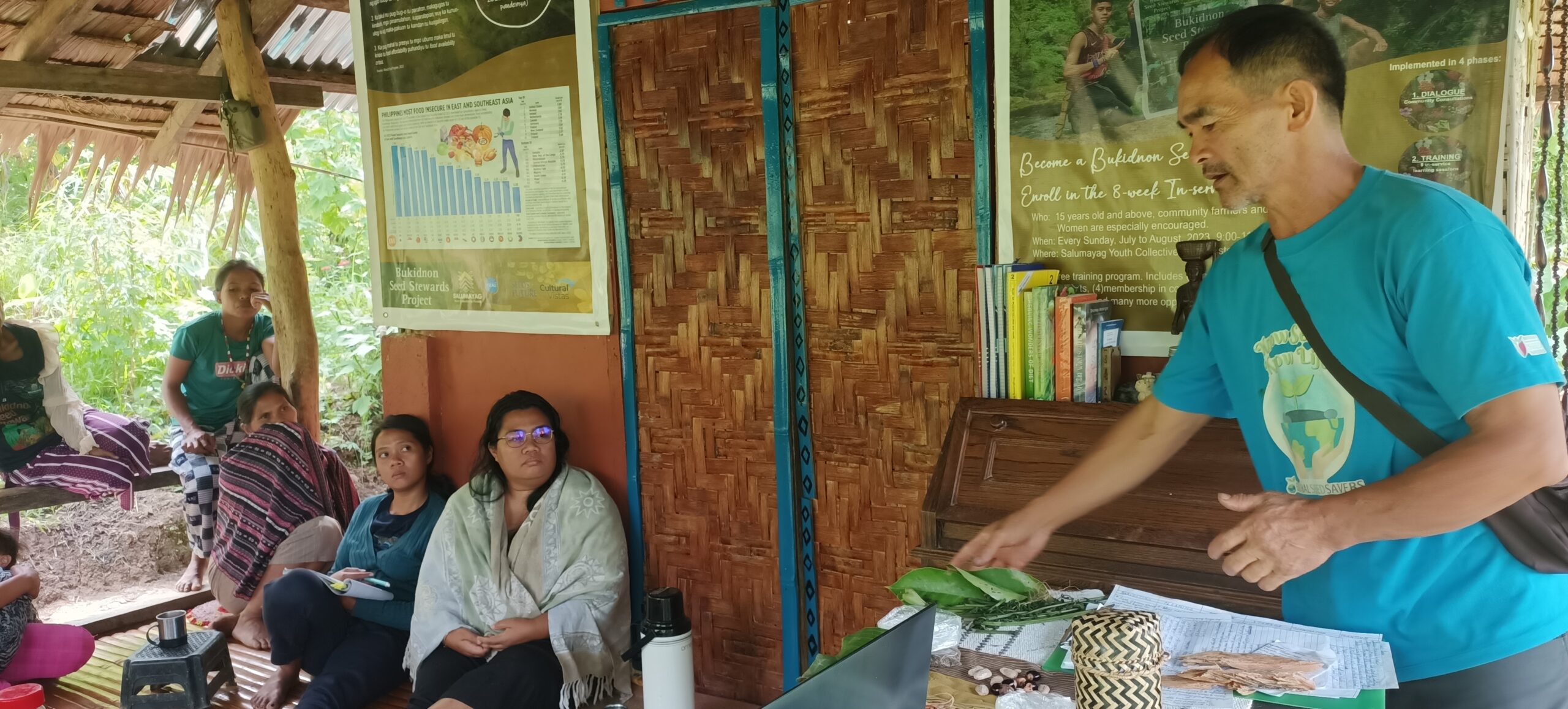
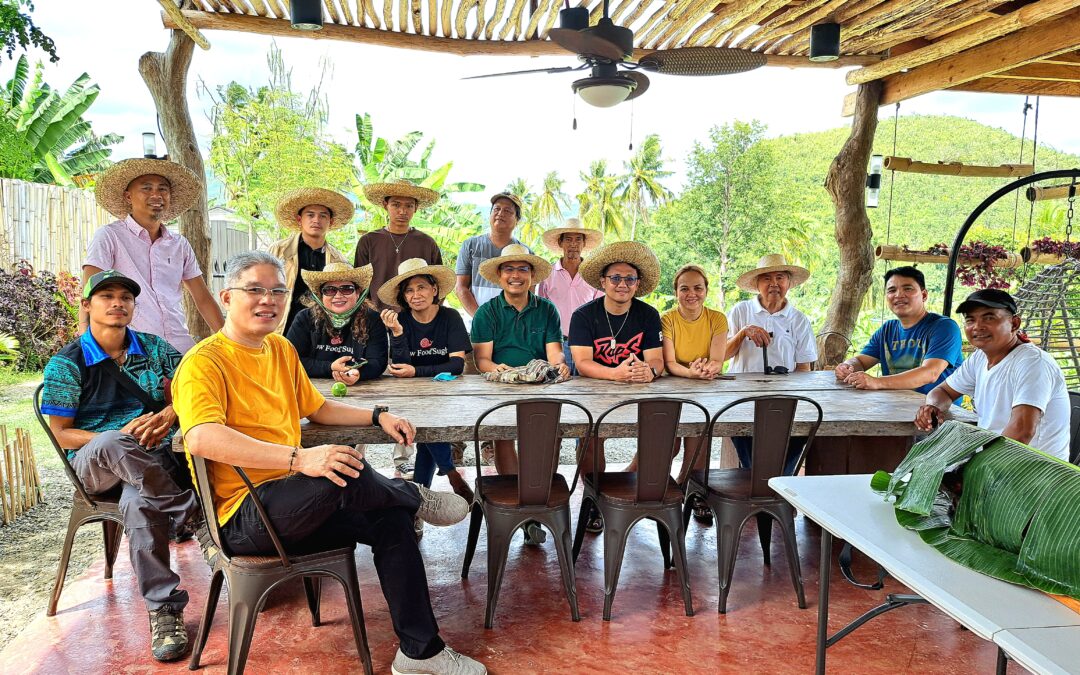
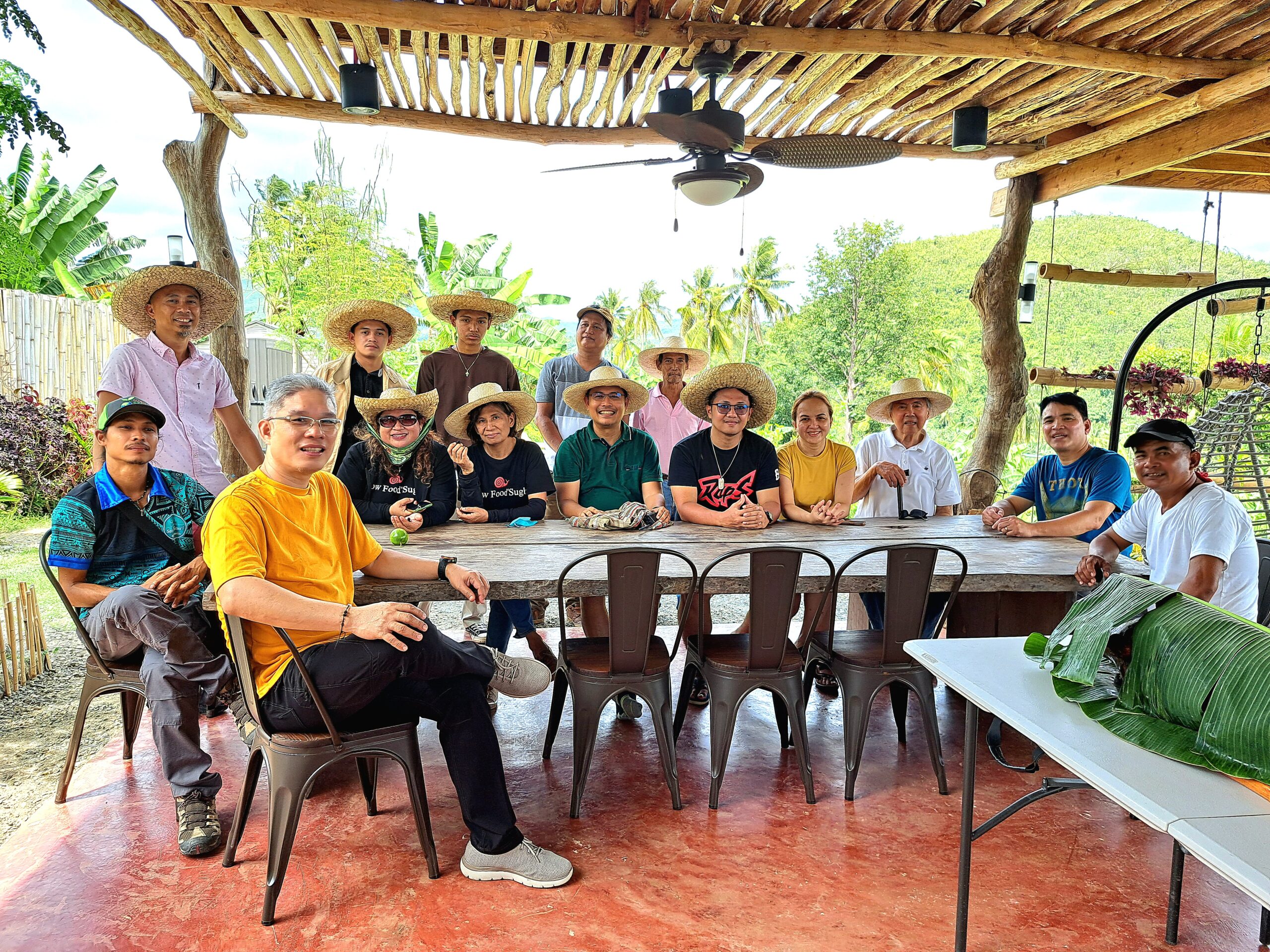
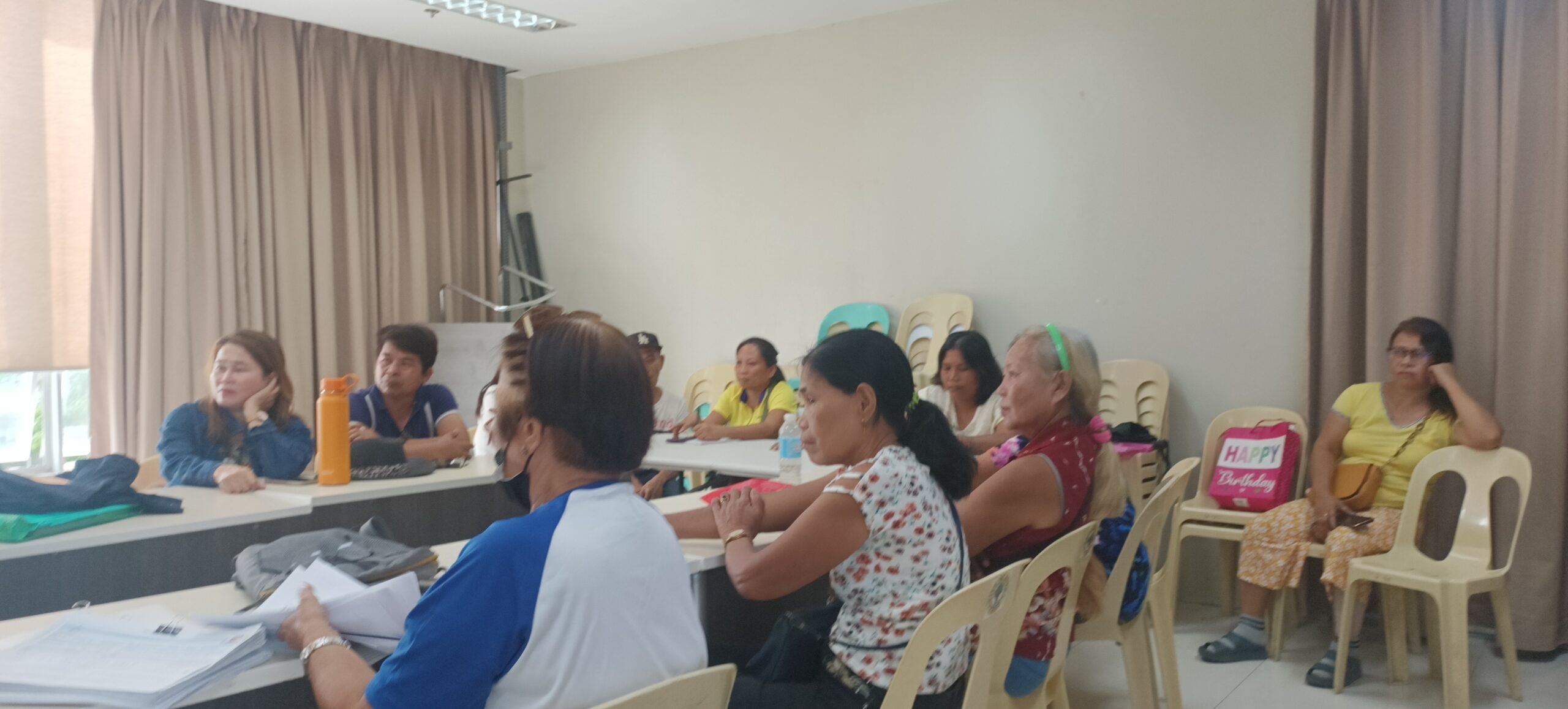
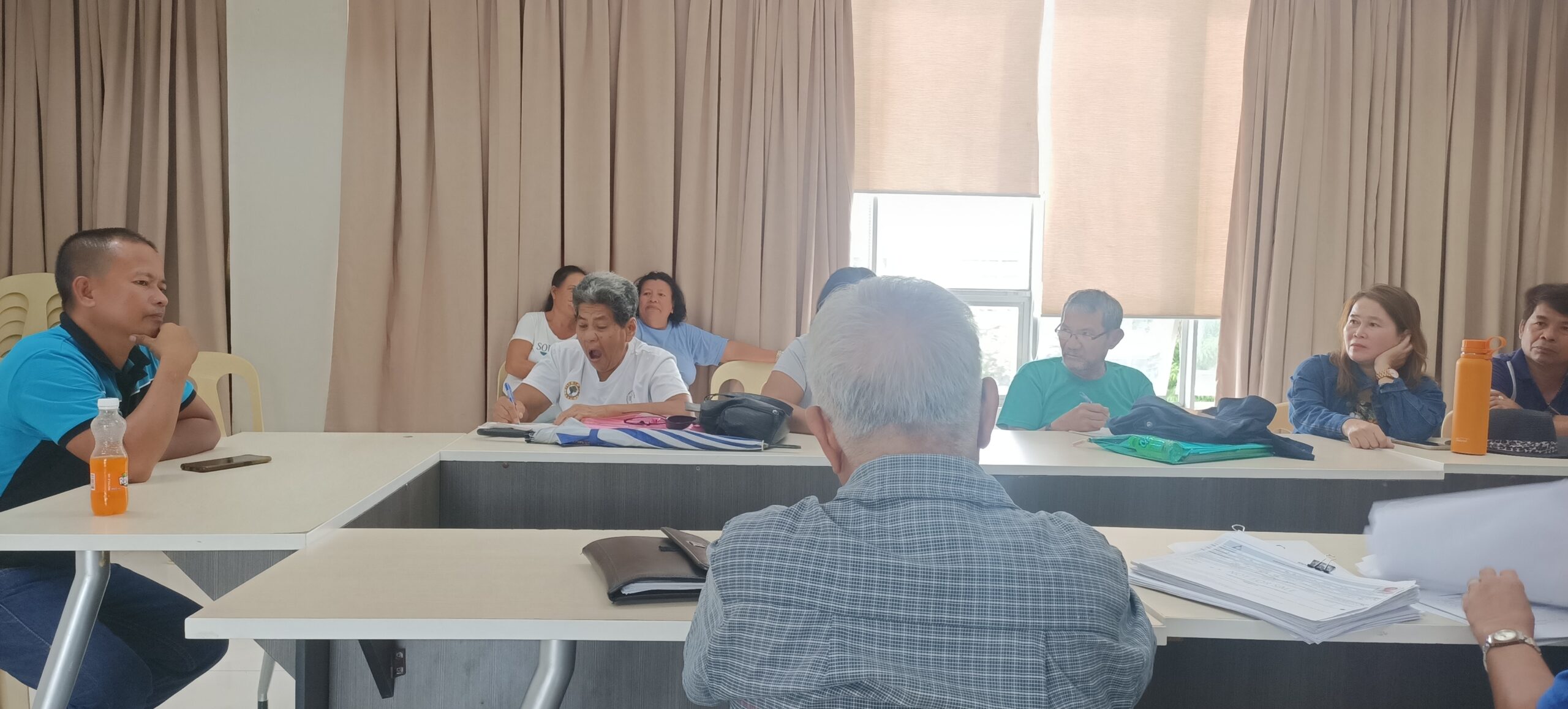
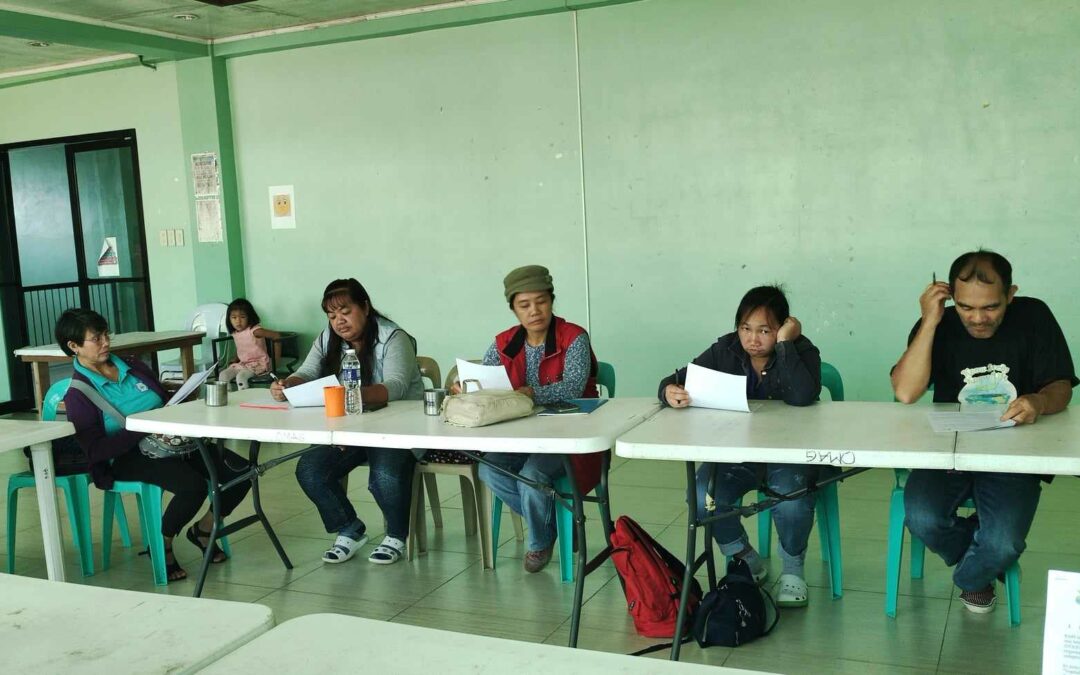
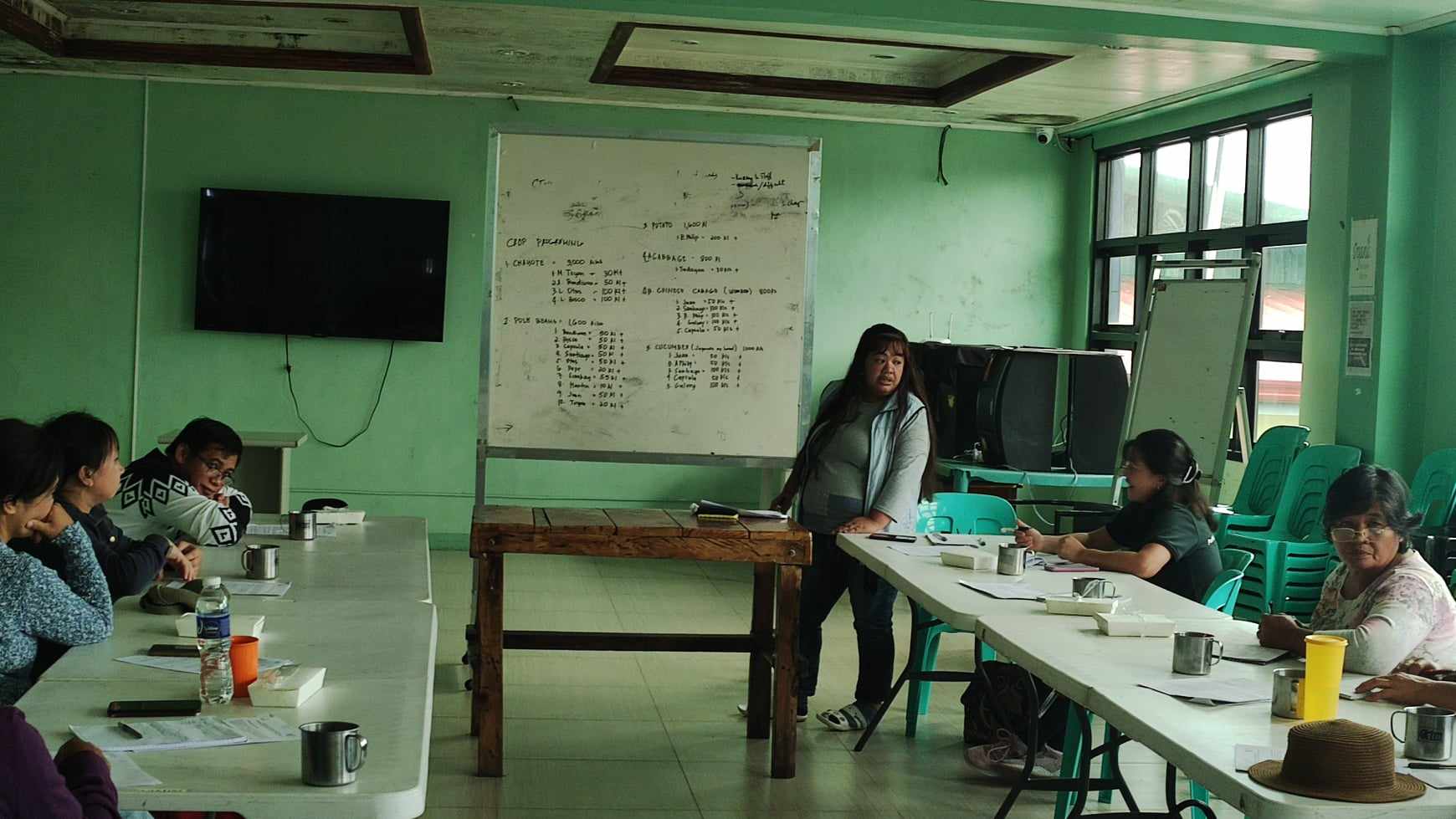
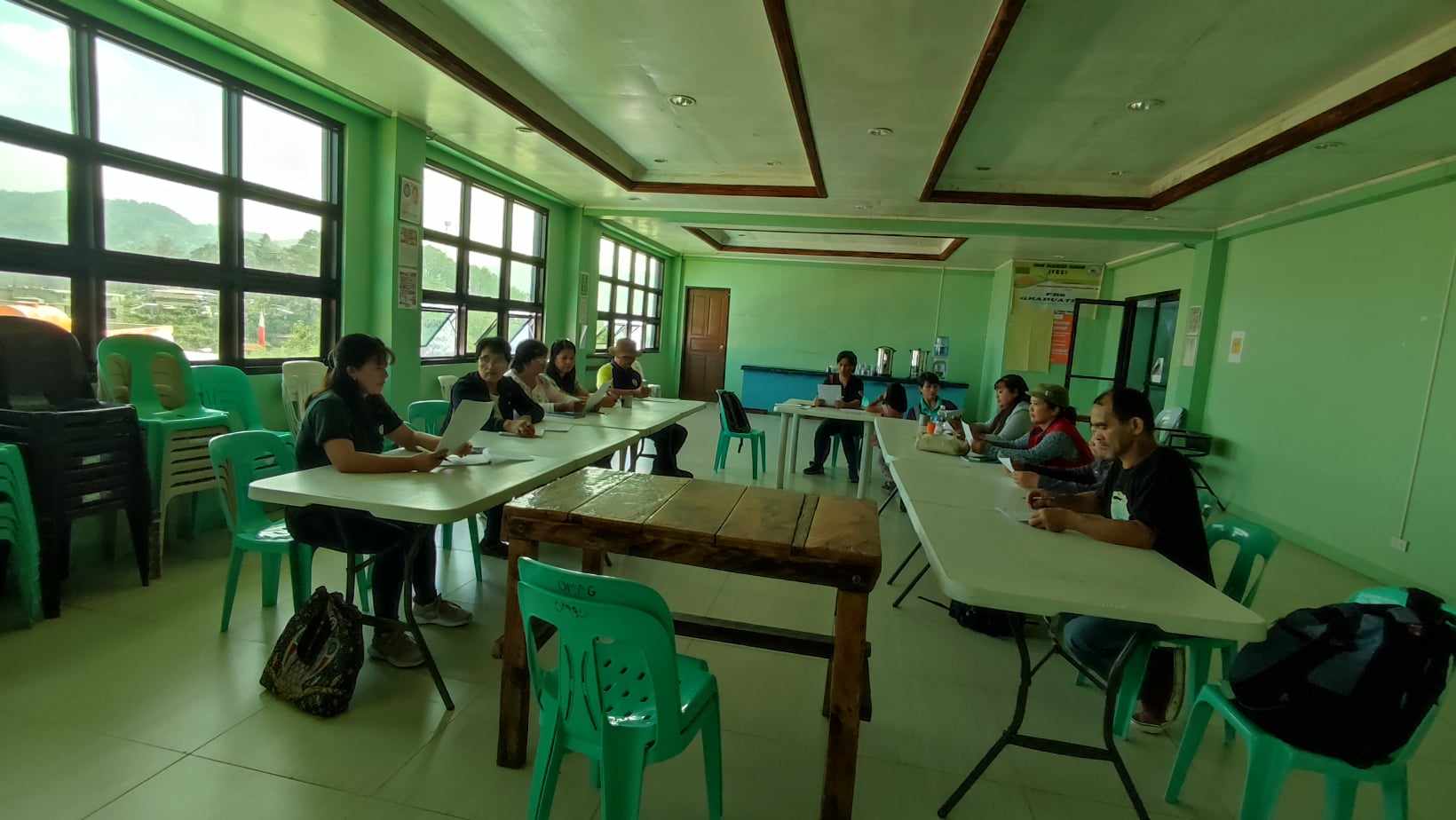
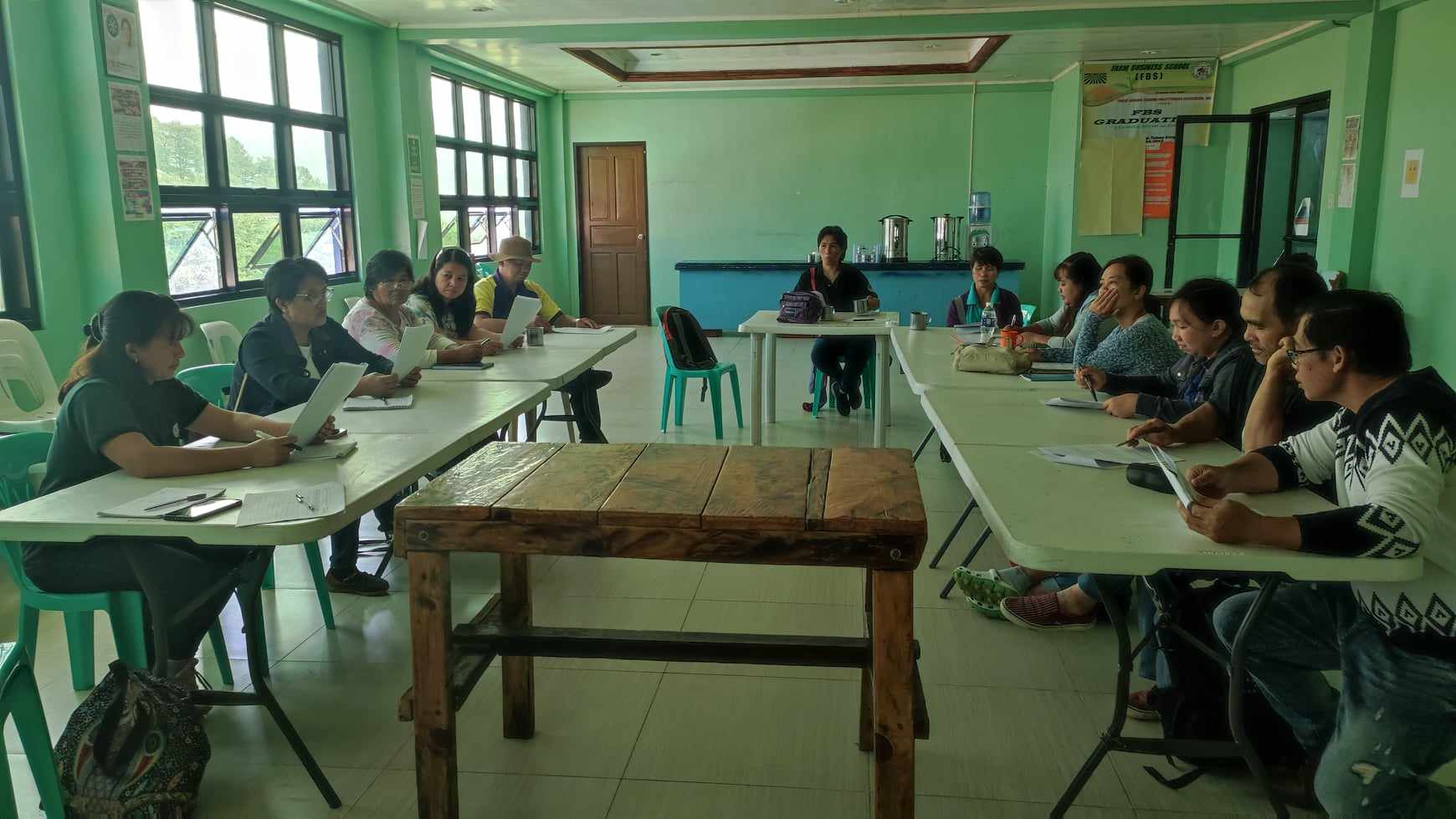
In partnership with Synergy Pilipinas, we recently hosted Seed School 3: Training of Trainers at Ating Tahanan, South Drive, Baguio City. The training gathered 15 participants from Northern Luzon and the Bicol Region to strengthen farmer-led seed sovereignty.

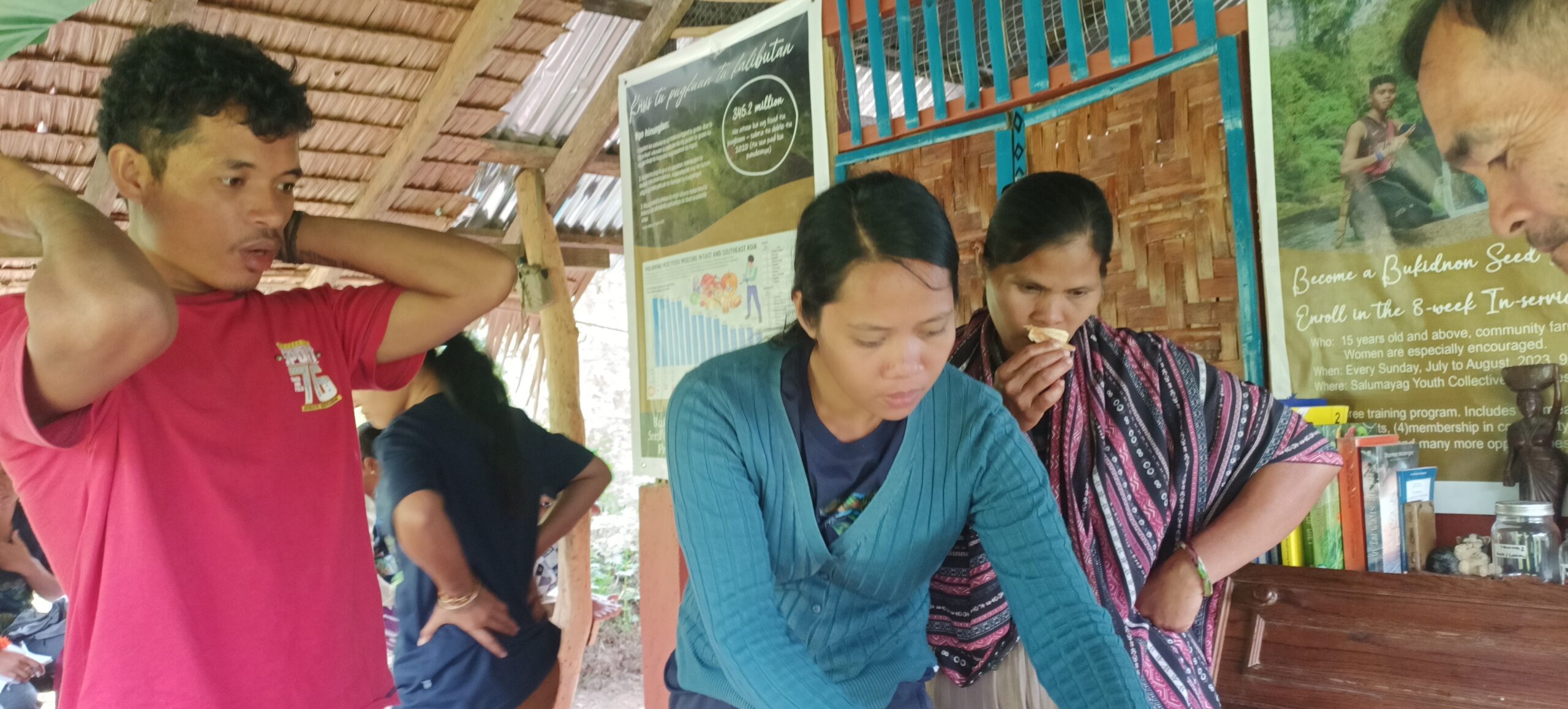
The program equipped trainer-advocates with knowledge, skills, and tools to lead seed-saving initiatives in their own communities. Through hands-on sessions, participants deepened their technical understanding of seed-saving, practiced facilitation and communication skills, and explored strategies for building resilient, community-led seed libraries.

The farmer-to-farmer approach shaped our methodology by favoring role-playing, case studies, and experiential learning over lectures. This ensured that participants not only learned but also practiced leading. As one reminder stood out: “We cannot teach what we do not live ourselves.”

Key takeaways included the importance of establishing household seed libraries, strengthening research on local seed systems (especially women’s roles), and preparing materials and logistics well in advance for smoother trainings.

Seed School 3 reaffirmed that farmers are at the heart of seed sovereignty. With each training, Global Seed Savers is helping grow a network of farmer-leaders across the Philippines who are ready to carry seed-saving knowledge forward for generations.

Seed School Sparks Change in Negros Occidental

Seed School Sparks Change in Negros Occidental

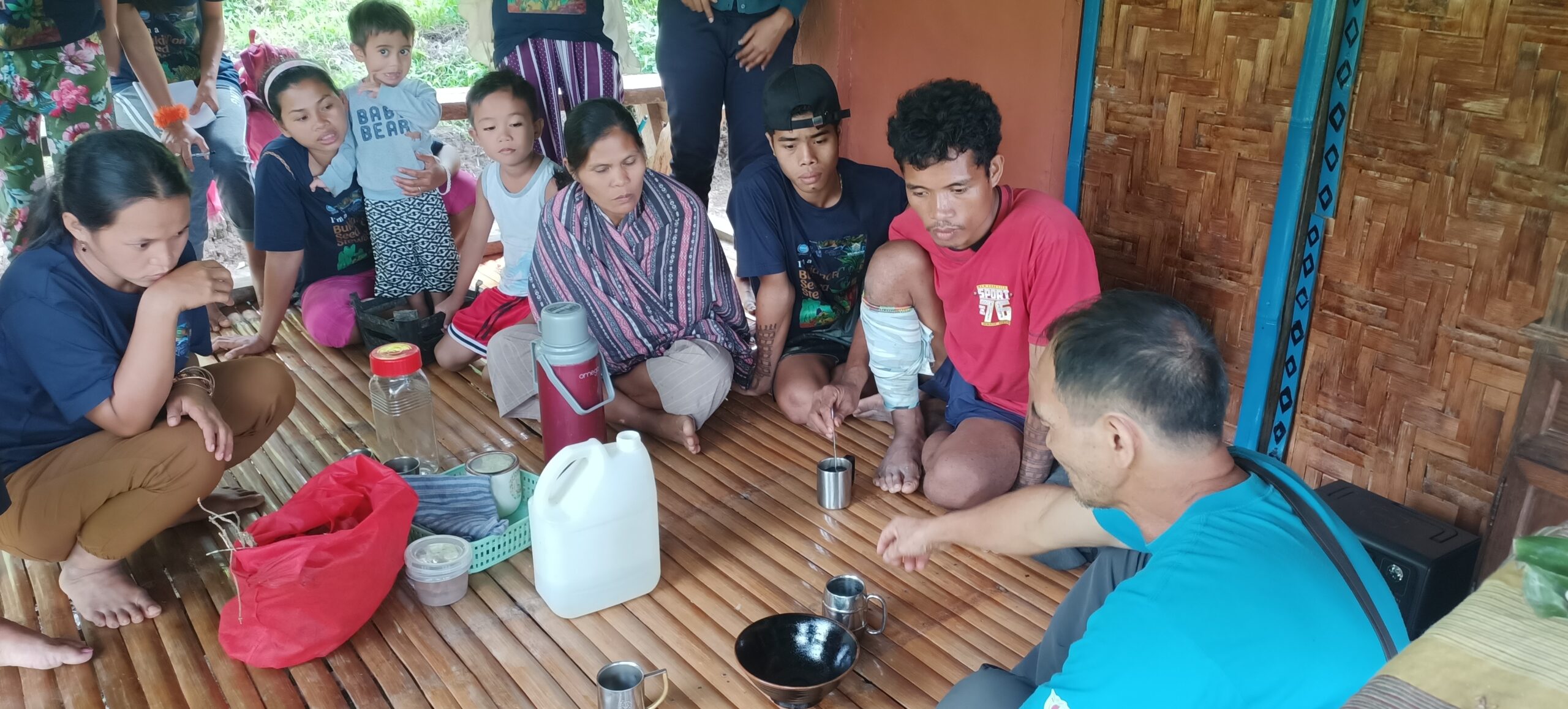
We recently partnered with the Pinowayan Nabingkalan Indigenous Peoples Farmers Association (PNIPFA) and DSAC San Carlos to host a Seed School 1 (SS1) training in Brgy. Pinowayan, Don Salvador Benedicto, Negros Occidental.

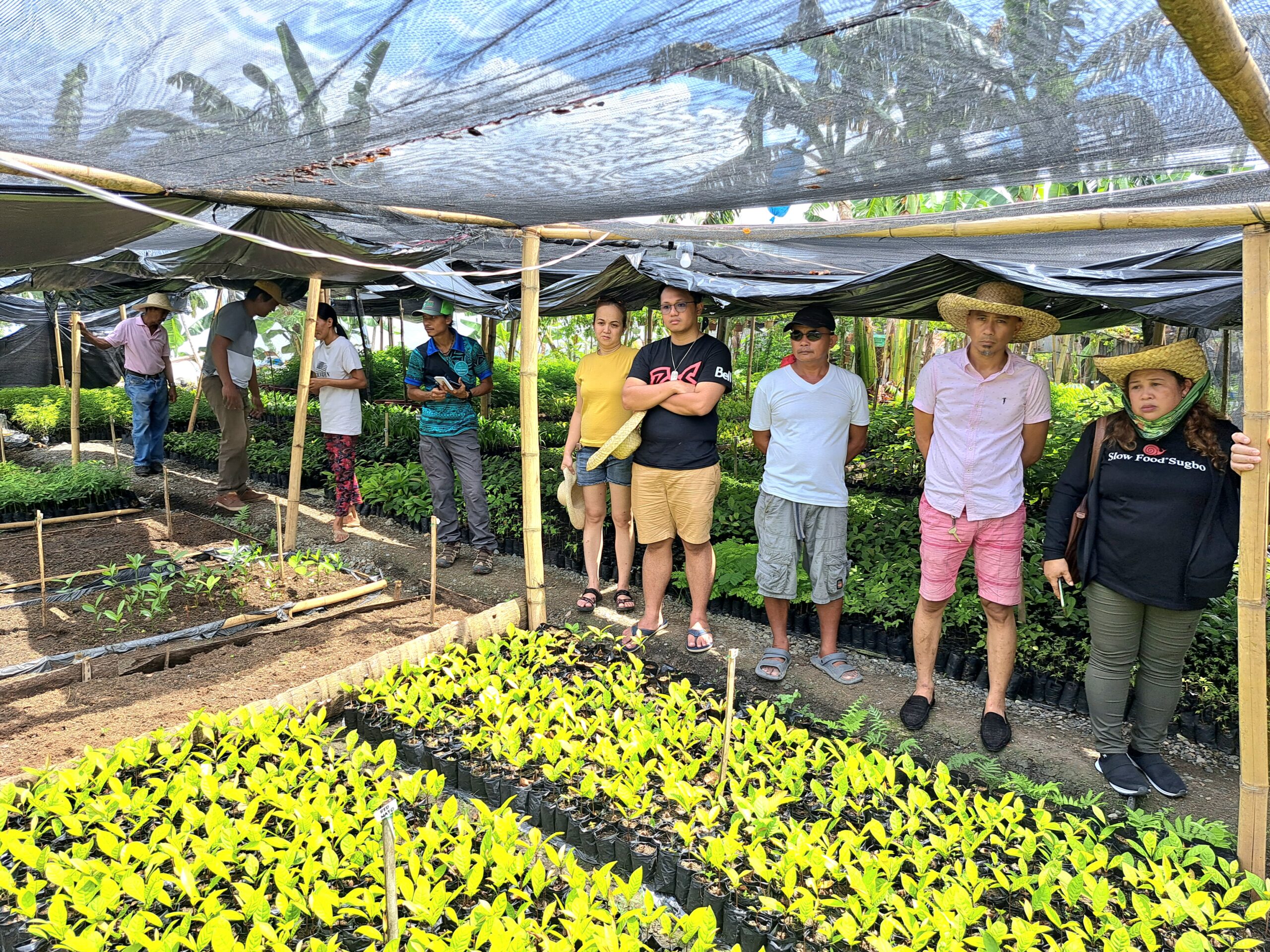
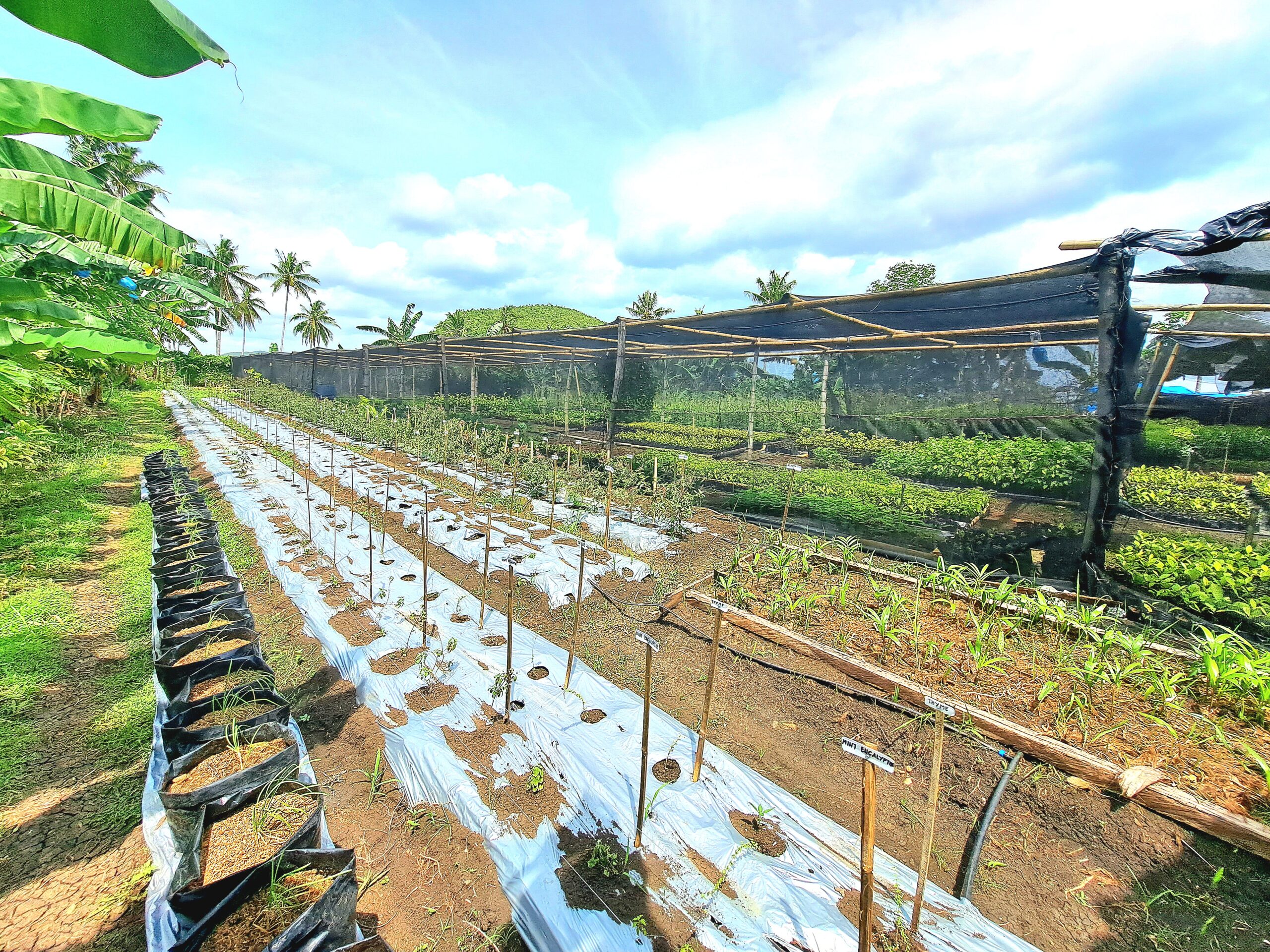
This first Seed School brought farmers together for training, community profiling, and tagging of the Pinoyawan Communal Farm, a key site that will soon serve as a seed hub for the community.

During the training, many farmers reflected on their past experiences with chemical-based farming. One participant shared:

“At first, we gained from synthetic farming, but later on we realized we were on the losing end.”

Others noted the toll that years of chemical use had taken on their land and livestock:

“We don’t have cows anymore because we spray chemicals to kill the weeds.”

Despite these challenges, the training sparked a new solution. Farmers expressed motivation to leave behind chemical fertilizers, commit to hard work, and begin planting and saving their own seeds starting immediately.

Unlike many communities who establish household seed libraries, PNIPFA decided to create a communal seed library, which is a shared space where seeds can be preserved, exchanged, and managed collectively. This shift reflects the community’s strong spirit of collaboration and ensures greater access to seed diversity for all members.

This Seed School 1 was a turning point. By equipping farmers with knowledge and practical skills, and by rooting seed sovereignty in communal practice, PNIPFA is taking a transformative step toward restoring food systems that honor both the land and their ancestral wisdom.

We are honored to walk alongside them in this journey toward resilience and seed sovereignty!

Strengthening Ties with KABILIN Farmers in Negros Oriental

Strengthening Ties with KABILIN Farmers in Negros Oriental

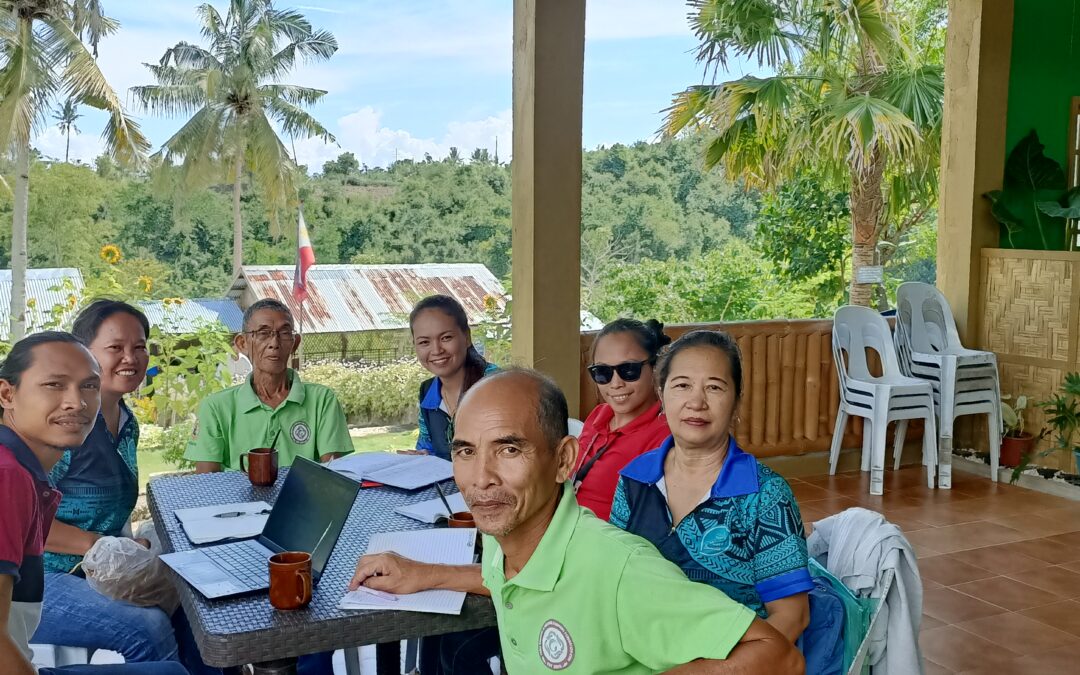
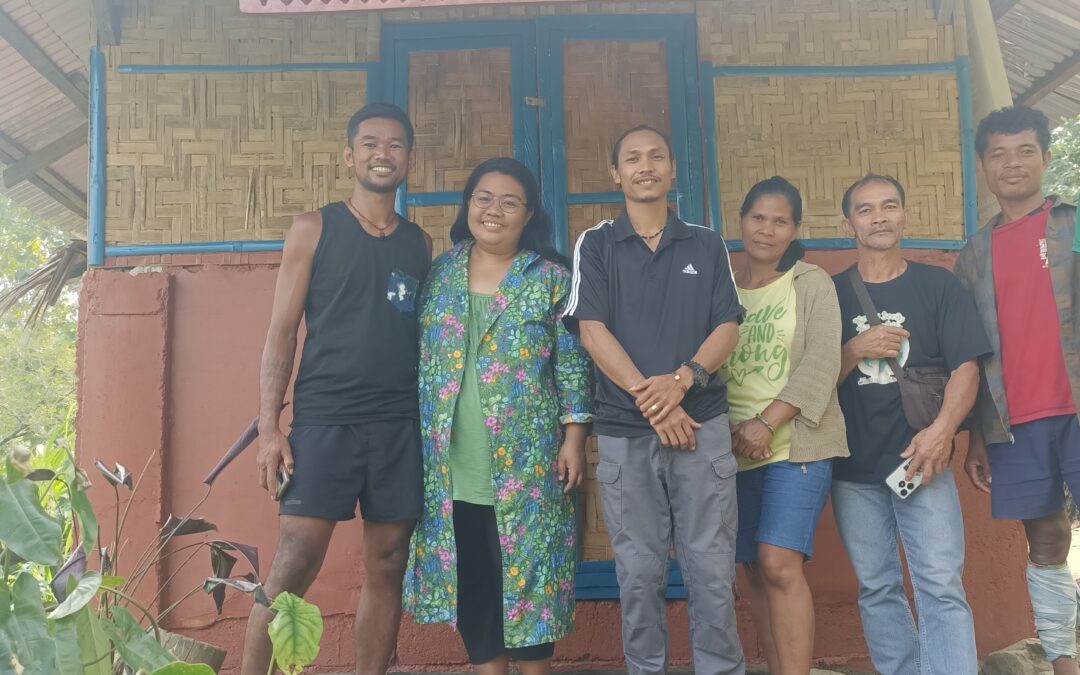
We reconnected with our dedicated seed saving partners from KABILIN in Santa Catalina, Negros Oriental. This visit was rooted in three goals: to validate the group’s action plans from the last Seed School 2 (SS2) session, tag their designated seed production farm, and align on priorities for 2025.

During the visit, we were inspired to hear that members had already planted seeds in their gardens and even more excited to learn that some have already harvested and sold their produce! As part of our continued partnership, we also identified eight household recipients for Seed Library Boxes, further reinforcing the group’s commitment to seed sovereignty and household resilience.

The group agreed to continue the Seed School 2 training and officially sign our Memorandum of Understanding (MOU) in August, an important step toward formalizing the partnership and mutual responsibilities.

We are committed to farmer-led partnerships that are grounded in shared action and accountability, and we look forward to continued collaboration with KABILIN and hope to deepen our impact together through clear and committed next steps. Thank you to the members at KABILIN for your engagement and commitment to seed sovereignty!

MOA Signing, Seed Library Distribution, and SITS Orientation with IBSS in Bayawan City

MOA Signing, Seed Library Distribution, and SITS Orientation with IBSS in Bayawan City

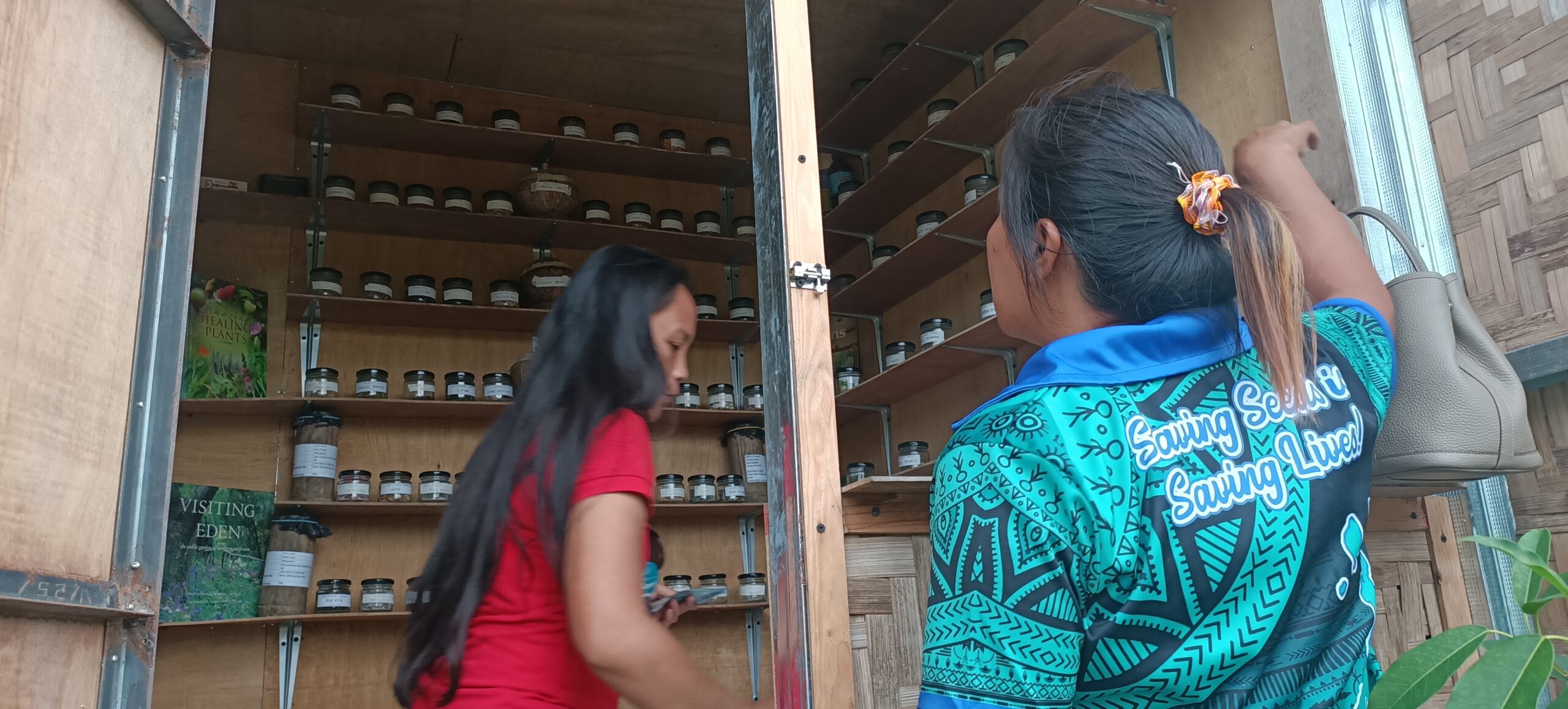
Together with the Indigenous Bayawan Seed Savers (IBSS) and the Office of the City Agriculturist of Bayawan City, we gathered in the community of Bollos, Bayawan City, Negros Oriental. The day marked three important activities: the signing of a Memorandum of Agreement (MOA), the distribution of Home-Based (HH) Seed Library Boxes and toolkits, and an orientation on the Seed Inventory Tracking System (SITS).

Although only a portion of the IBSS members were recipients of the seed libraries and toolkits, the orientation on SITS was attended by all members. The system is designed to help document seed distribution, germination, and exchange which are practices that are often underreported yet crucial for strengthening local seed access. The discussion was also an opportunity for members to learn how monitoring systems can support their community’s long-term seed-saving goals.

One of the key points raised during the meeting came from City Agriculturist Sir Ken, who expressed support for the IBSS and acknowledged their potential in supplying organic seeds for Bayawan. His input also affirmed the importance of including both seed recipients and non-recipients in capacity-building sessions. The activities helped set a collaborative tone for planning future work in the area and reinforced the value of collective seed stewardship in building food sovereignty from the ground up highlighting our community-driven work!

Farmers Take Root with Seed Sovereignty in Moises Padilla

Farmers Take Root with Seed Sovereignty in Moises Padilla

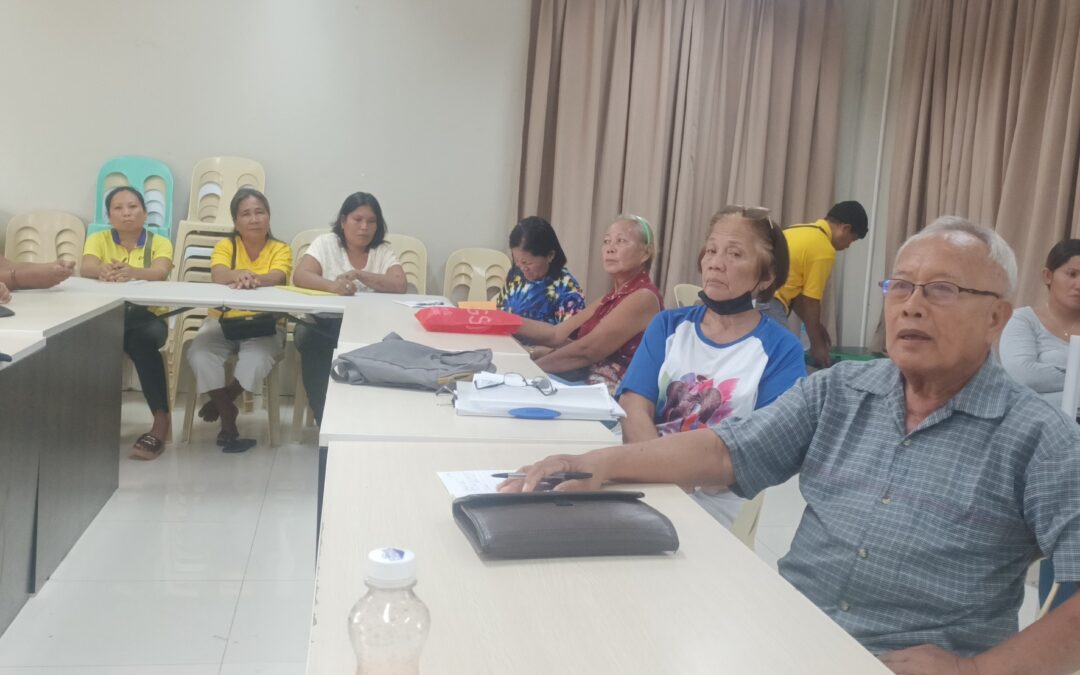
In the heart of Negros Occidental, Global Seed Savers held a transformative Seed Sovereignty Forum (SSF) at CPSU – Moises Padilla Campus. In collaboration with World Vision and the Municipal Agriculture Office (MAO), the forum brought together local farmers and agriculture staff to lay the groundwork for future seed saving efforts and deepen understanding of why organic seeds matter.

Farmers openly shared their eagerness to join the upcoming Seed School trainings, motivated by the dream of growing their own organic seeds and tasting the rich diversity of vegetables that native seeds can offer. One participant shared their excitement: “We’re happy to receive the seeds, and we really hope they thrive here.”

What stood out most was the inspiration drawn from senior citizens who are still active seed savers—living examples that it’s never too late to protect, plant, and pass down traditional agricultural knowledge.

The timing of this forum couldn’t have been better. Many participants have long depended on mono-cropping systems and contract farming, relying heavily on commercial fertilizers and hybrid seeds. While some farmers expressed uncertainty about whether organic farming could provide sustainable income, others revealed that they’ve quietly kept nature-based practices alive for personal consumption. These stories reveal the possibilities already beneath the surface and possibilities that just need nurturing.

This forum also led to a milestone: the signing of a tripartite MOU between GSS, MAO, and World Vision. Together, the organizations are committed to co-hosting Seed Schools 1 and 2, with the first training already scheduled for June 19–20, 2025.

As one World Vision staff member noted, “It’s so hard to find a sustainable source of organic seeds.” This is where our work at GSS and the collective power of community comes in. By expanding our networks and strengthening partnerships, we’re reaching farmers and advocates we didn’t even know needed this. The seed sovereignty movement is growing and Moises Padilla is ready to rise with it.